What Is Focal Length? The Easy Guide for Video Beginners

Table of Contents
- What Is Focal Length?
- Wide vs. Telephoto: The Two Ends of the Scale
- How Focal Length Changes the Feel of a Shot
- Crop Sensor vs. Full Frame (Why the Same Lens Looks Different)
- Common Focal Lengths and What They're Used For
- Prime vs. Zoom Lenses
- Which Focal Length Should You Start With?
- Final Thoughts
- Spotlight FX - Get free transitions, effects and workflow tools
You're shooting video, or editing footage someone handed you, and everyone keeps throwing around numbers like "shot it on a 35," "I love that 85mm look," or "go wider for the vlog." It sounds like a secret language.
I get it. Focal length is one of those topics that seems way more technical than it actually is. But here's the good news: once you understand the basic idea, you'll start seeing it in every video you watch, and you'll know exactly why one shot feels open and energetic while another feels close and cinematic.
You don't need to memorize physics. You just need to know what that little "mm" number on a lens does to your shot, and how to use it to make your videos look better.
What Is Focal Length?
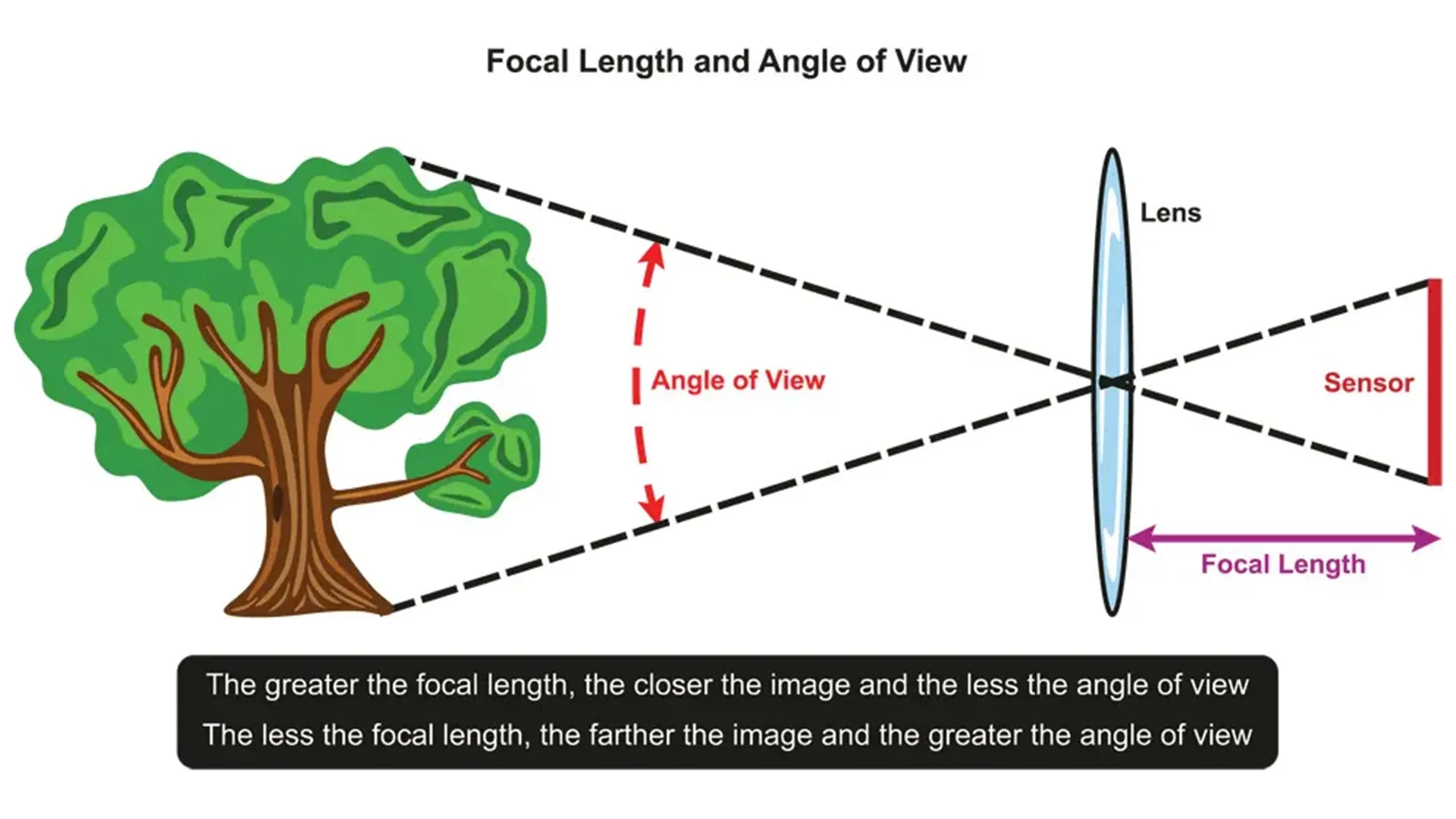
Focal length is a measurement, written in millimeters (mm), that tells you how much of a scene your camera captures and how "zoomed in" or "wide" the shot looks.
That's really the whole idea. The number on your lens, like 24mm, 50mm, or 200mm, controls your field of view (how much of the scene fits in the frame).
Here's the simplest way to remember it:
- Small numbers (like 16mm or 24mm) = you see more of the scene. Things look wider and farther away.
- Big numbers (like 85mm or 200mm) = you see less of the scene, but distant subjects look closer and bigger.
So a 16mm lens might capture an entire room, while a 200mm lens could fill the frame with just someone's face from across the street.
One important thing to know early: focal length is a property of the lens, not the camera body. A 50mm lens is always a 50mm lens. (How that looks on different cameras is something we'll cover in the crop sensor section below.)
Wide vs. Telephoto: The Two Ends of the Scale
Most of the time you'll hear lenses described as "wide" or "telephoto." These are just the two ends of the focal length scale.
Wide-angle (short focal lengths)
Roughly 16mm to 35mm. These have a broad field of view, so they fit a lot into the frame. In video, they're great for:
- Vlogs and talking-head setups in small rooms
- Establishing shots that set the scene
- Action and movement (handheld feels more dynamic)
- Indoor spaces where you can't back up far
Standard / normal (the middle)
Roughly 35mm to 50mm. This range looks the most natural to the human eye, which is why it's so popular for everyday footage, interviews, and dialogue scenes. Nothing feels stretched or squished.
Telephoto (long focal lengths)
Roughly 70mm to 200mm and beyond. These have a narrow field of view and pull distant subjects closer. In video, they're great for:
- Interviews and cinematic close-ups
- Emotional beats where you want to isolate a face
- Shots where you want the background to feel big and close
- Sports, events, and anything you can't get physically near
How Focal Length Changes the Feel of a Shot
Here's where it gets fun, and where it really matters for video.
Focal length isn't just about how much fits in the frame. It changes the viewer's emotional relationship to the scene. This is something filmmakers use on purpose, and it's one of the most powerful storytelling tools you have.
Wide lenses feel open and immediate
Wide lenses exaggerate perspective. Foreground objects look bigger, backgrounds feel farther away, and the whole scene feels more open. This can create energy, vulnerability, or a sense of a character being small inside a big space.
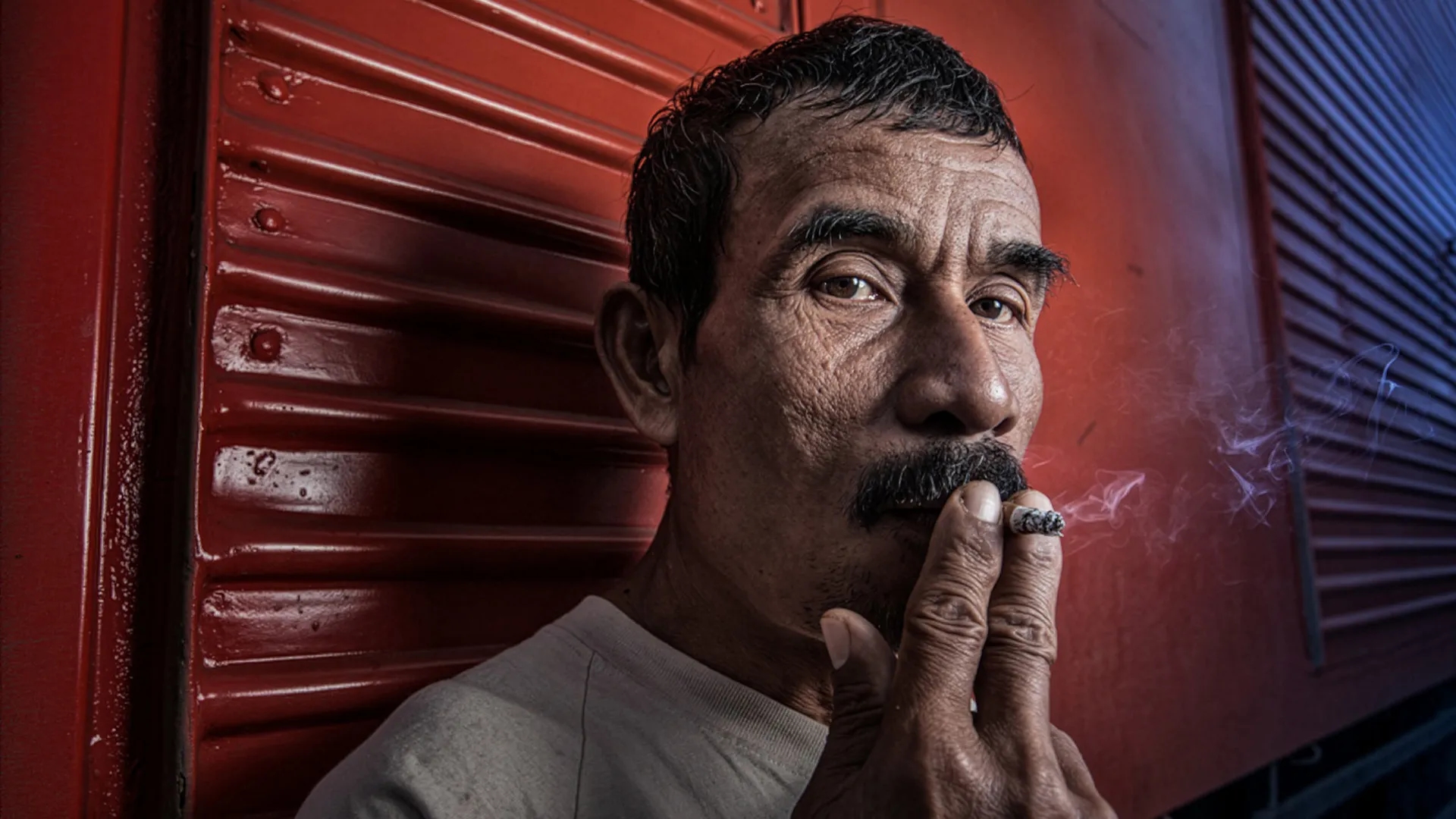
They're perfect for establishing shots, action, and any scene where the setting itself is part of the story. The viewer feels like an observer standing inside the world, which is exactly why vlogs and POV content lean wide.
Telephoto lenses feel intimate and tense
Telephoto lenses compress distance, making the background and subject feel closer together. This is the famous "compression" look, where a faraway background appears to loom right behind the subject.
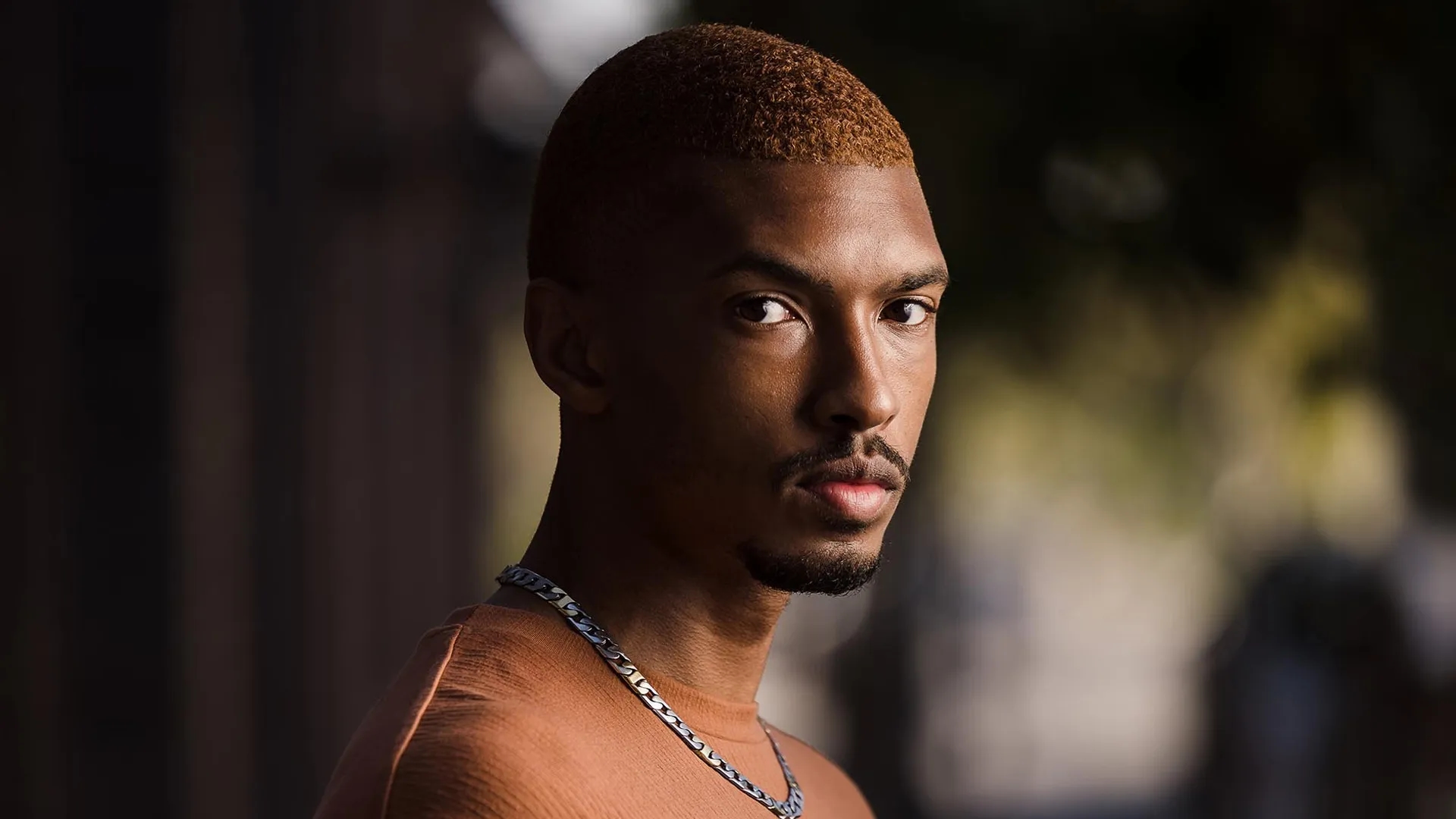
That compression creates intimacy, tension, or emotional isolation. It's why close-ups and emotional moments are so often shot on longer lenses: they pull all the attention onto a face and the small expressions that carry a scene.
Here's a quick cheat sheet:
Lens type | Emotional effect | Common use |
|---|---|---|
Wide | Open, energetic, vulnerable, contextual | Establishing shots, action, character in environment |
Telephoto | Intimate, tense, isolated, focused | Close-ups, emotional scenes, subject isolation |
So when you're cutting a sequence and one shot just feels different, focal length is often the reason. Knowing this also helps you pick which clips to cut between for the strongest emotional flow.
Crop Sensor vs. Full Frame (Why the Same Lens Looks Different)
This is the part that confuses almost every beginner, so let's keep it simple.
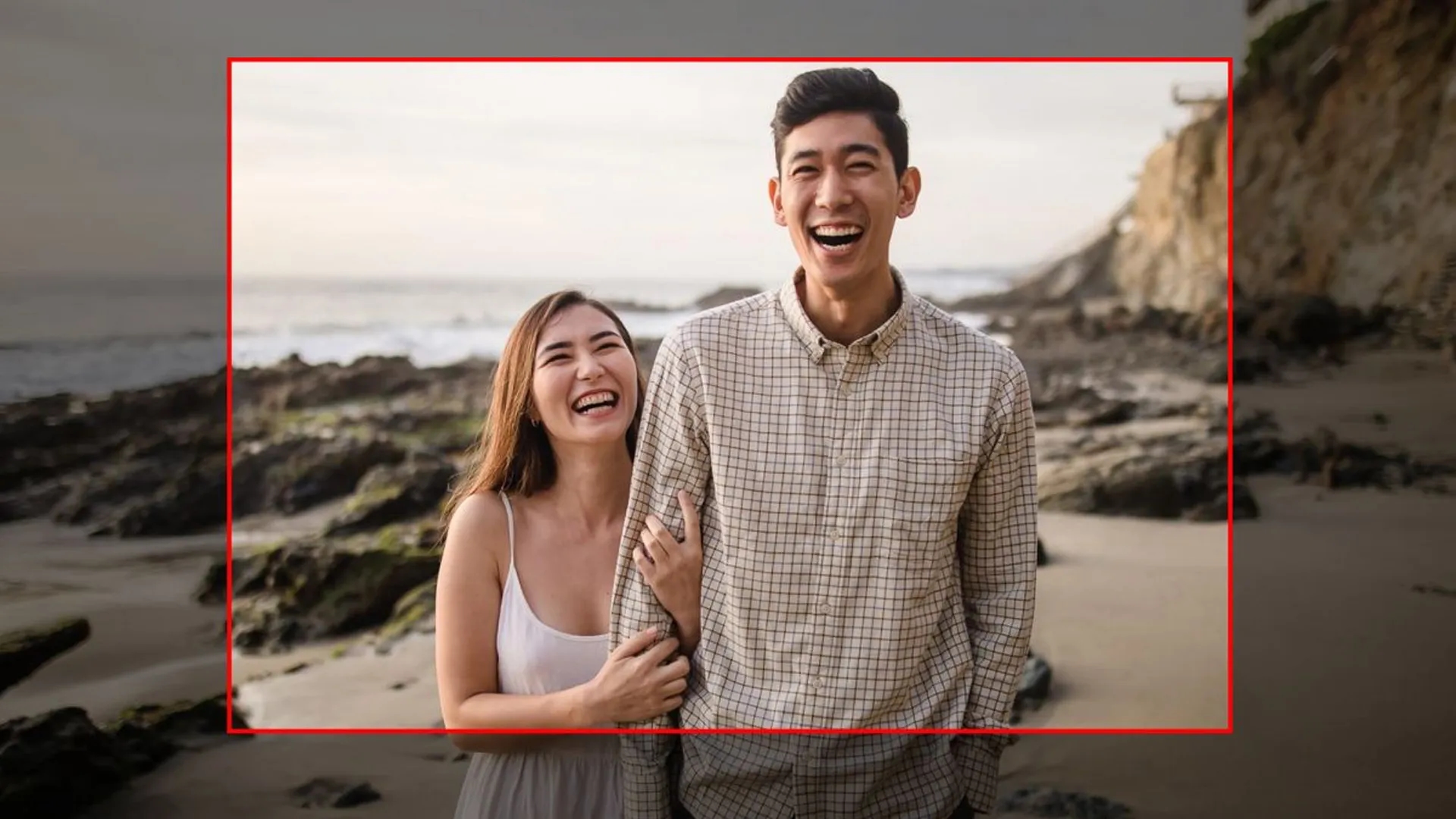
Different cameras have different sensor sizes. The two you'll hear about most are:
- Full frame: a sensor about the size of old 35mm film (roughly 36 x 24mm).
- Crop sensor: a smaller sensor, most commonly APS-C or Micro Four Thirds.
Here's the key point: a 50mm lens is always 50mm. The focal length never changes. But a smaller (crop) sensor only captures the middle of what the lens sees, so the image looks more "zoomed in."
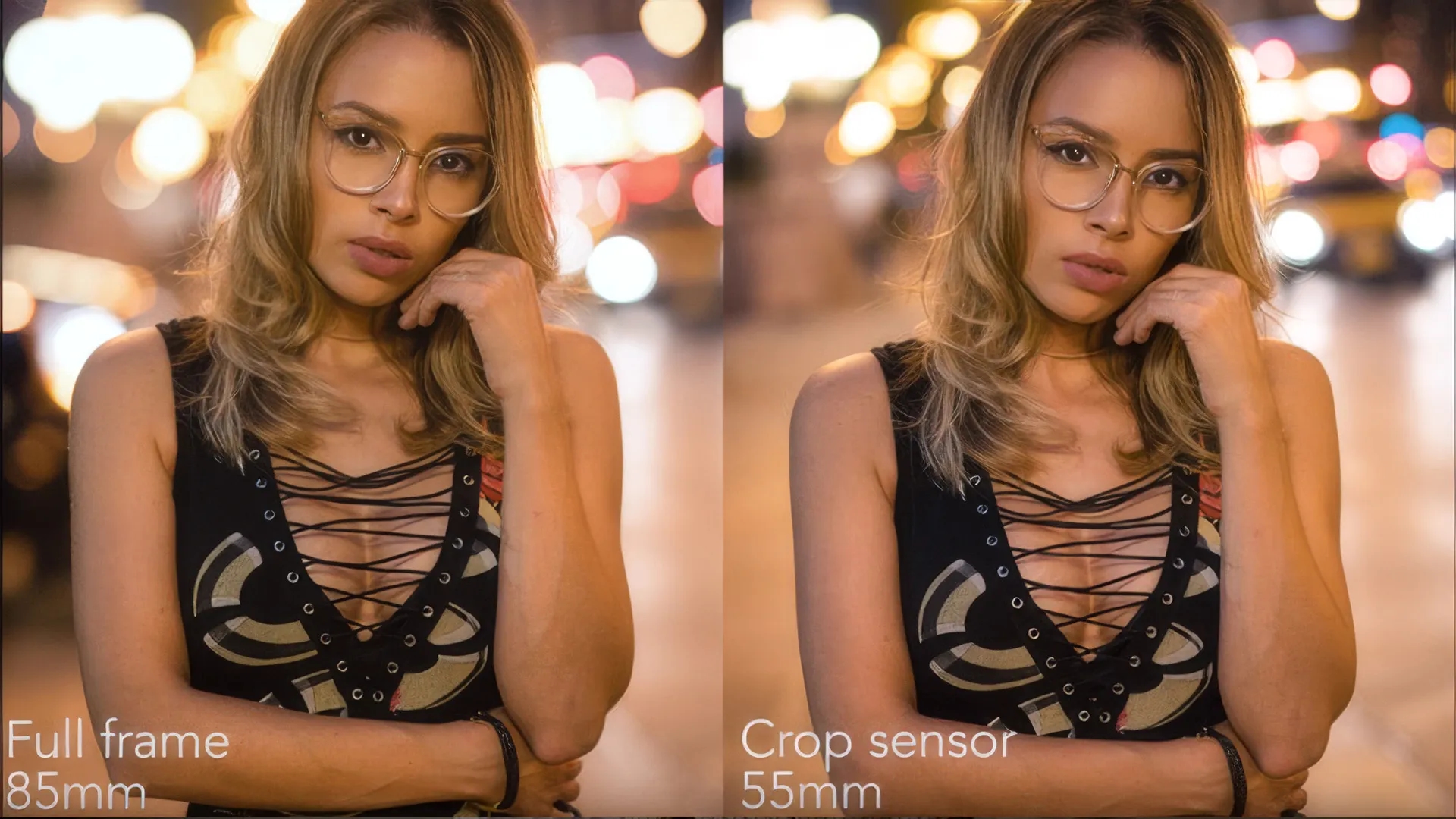
To compare cameras, people use something called crop factor. A quick example:
- A 50mm lens on an APS-C camera (1.5x crop factor) gives a field of view similar to a 75mm lens on full frame.
- A 24mm lens on APS-C behaves like about 36mm on full frame, and on Micro Four Thirds like about 48mm.
Two practical takeaways:
- Wide shots are easier on full frame, because you get a wider field of view from the same lens.
- Telephoto reach feels greater on crop sensors, because the narrower field of view makes distant subjects fill more of the frame.
You don't need to do crop-factor math every time you shoot. Just know that if your footage looks tighter than expected, your sensor size might be the reason, especially if you're filming yourself for a vlog.
Common Focal Lengths and What They're Used For
Here's a beginner-friendly reference for the focal lengths you'll run into most when shooting video:
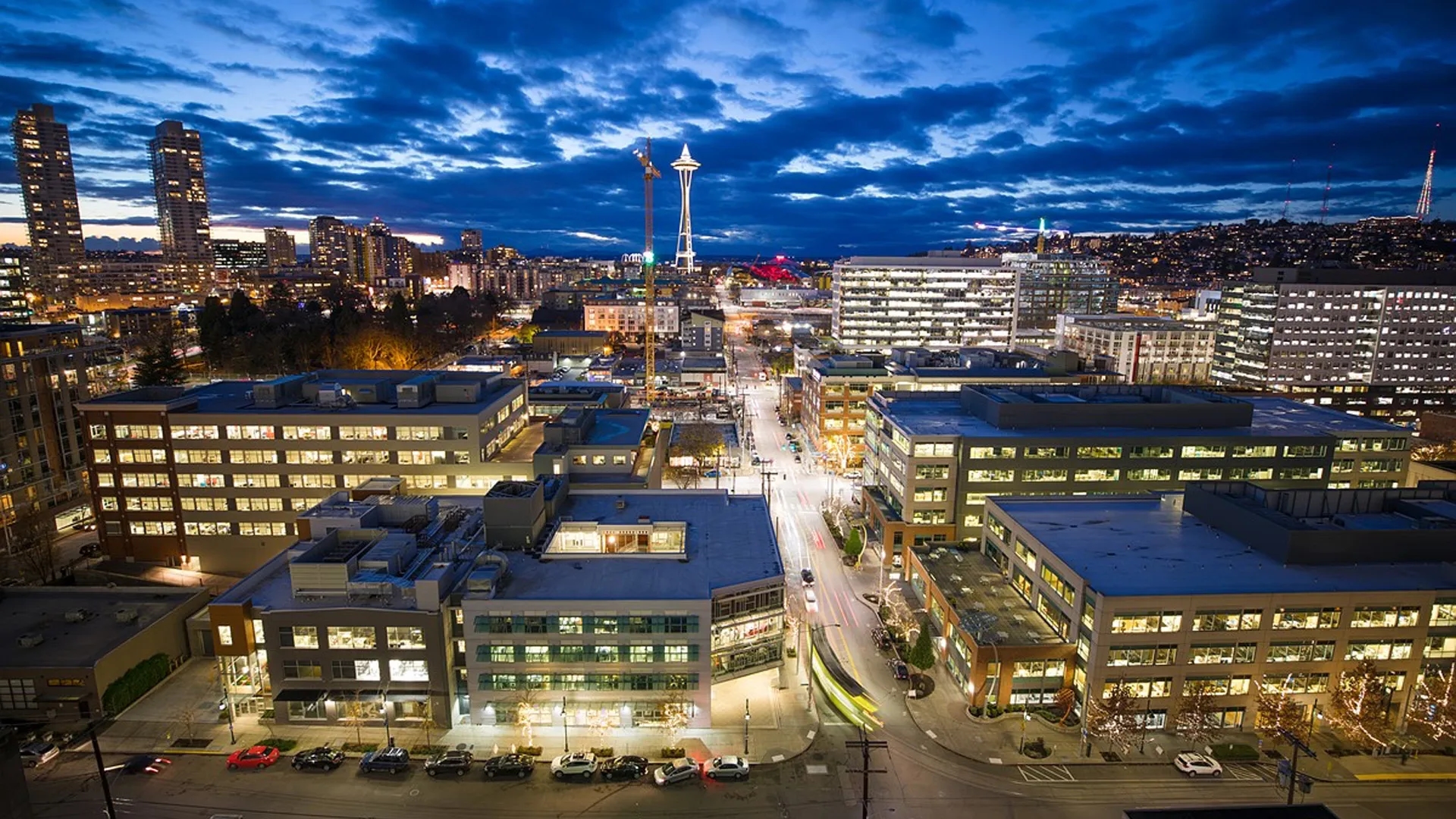
16–35mm (wide)
Vlogs, establishing shots, interiors, tight spaces, and run-and-gun B-roll. Captures a lot of the scene and feels dynamic handheld.
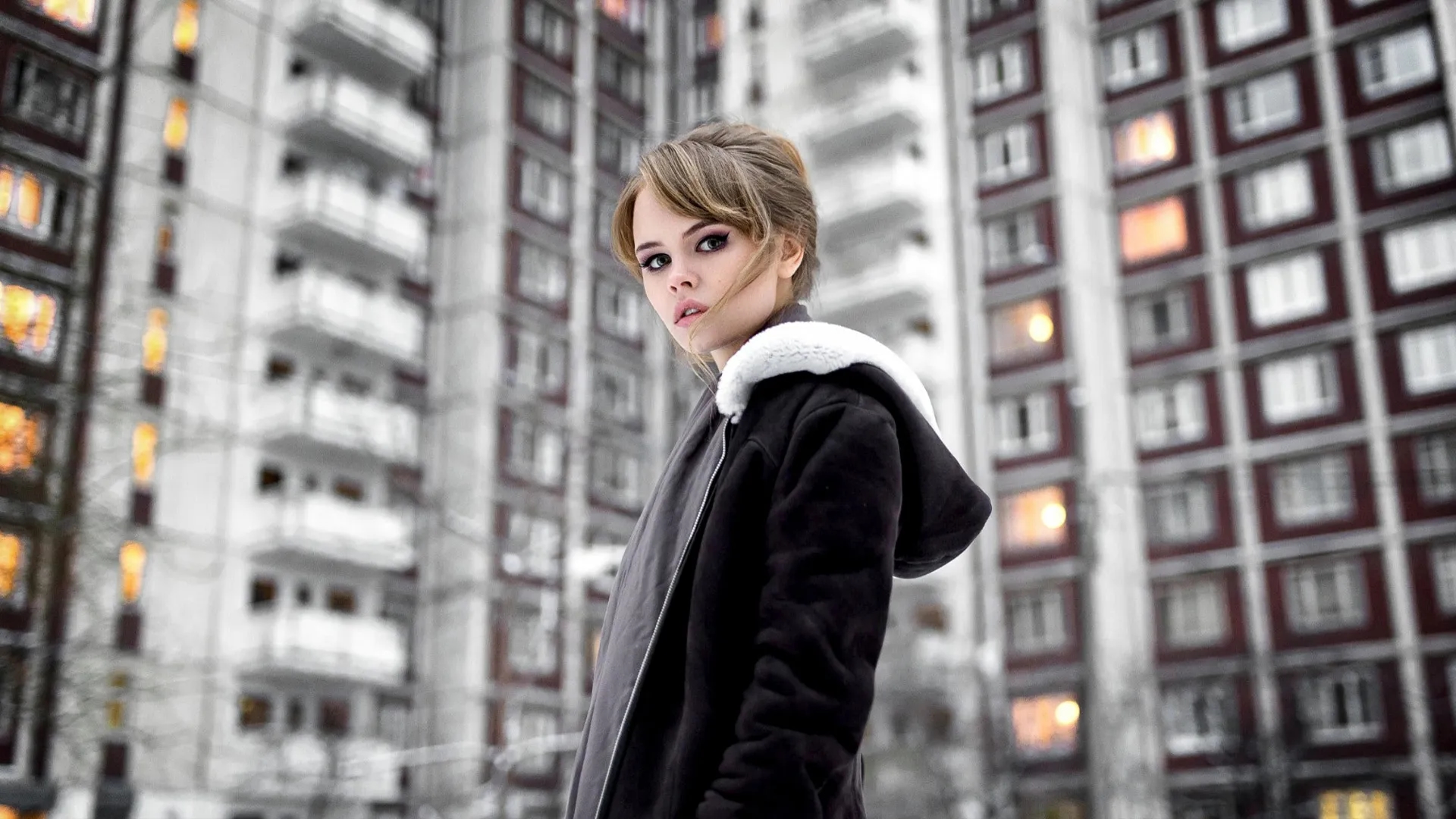
24–35mm (wide to standard)
The go-to "all-rounder" range for vlogs, travel video, and general everyday filming. Wide enough to film yourself, natural enough for most shots.
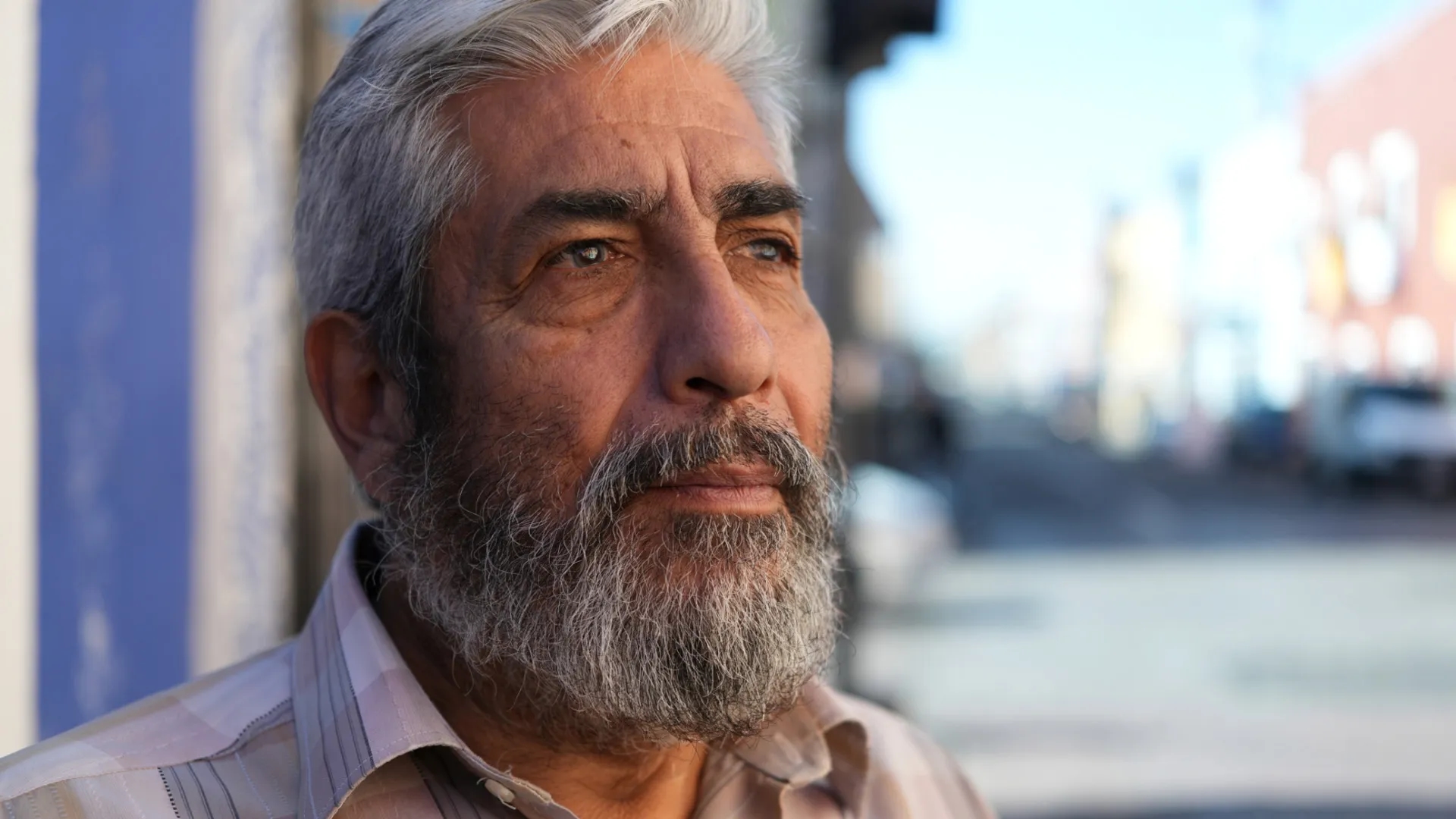
50mm (the classic "normal")
Interviews, dialogue, and clean, natural-looking footage. Often recommended as a first prime because it looks the way your eye sees and is easy to work with.
70–200mm (telephoto)
Cinematic close-ups, interviews with a soft, blurred background, events, and anything you film from a distance. This is where you get that compressed, film-like look.
Prime vs. Zoom Lenses
You'll also hear lenses split into two types based on whether the focal length is fixed or adjustable.
Prime lens
A fixed focal length. A 50mm prime is only 50mm. To reframe, you physically move closer or farther away.
- Pros: Often sharper, brighter (better in low light), and great for that blurry-background cinematic look. Forces you to think about composition.
- Best for: Creators who want the most "filmic" look, interviews, and shooting in darker rooms.
Zoom lens
An adjustable range of focal lengths, like 18–55mm or 24–70mm. You can change your framing without moving.
- Pros: Flexible and convenient, which matters a lot for video when you can't always reposition mid-shoot. Great for events and run-and-gun.
- Best for: Travel, events, vlogs, and beginners who are still figuring out which focal lengths they reach for.
Which Focal Length Should You Start With?
If you're just getting going with video, here's the simplest advice:
- Filming yourself for vlogs or talking-head content? Go wide, somewhere around 16–24mm on a crop sensor (or 24–35mm on full frame), so you fit comfortably in the frame.
- Shooting interviews or cinematic B-roll? A 50mm prime gives you a natural, flattering look with a nicely blurred background.
- Want flexibility while you explore? Grab one zoom like an 18–55mm or 24–70mm. It covers wide to standard, and you'll quickly learn which focal lengths you use most.
There's no "perfect" first lens. The fastest way to learn is just to shoot, watch your footage back, and notice which focal lengths give you the look you're after.
Final Thoughts
Focal length really isn't complicated once the jargon is stripped away. Small number = wide and open. Big number = tight and cinematic. Everything else, crop factor, prime vs. zoom, the emotional feel of a shot, builds on that one simple idea.
The best way to lock it in is to start paying attention. Watch your favorite films and YouTube videos and ask yourself: is this wide or telephoto? Does it feel open or close? You'll be surprised how quickly it clicks, and how much better your own footage gets once you're choosing focal length on purpose.
Now go shoot something.