What is a Medium Close Up Shot? The MCU in Film Explained

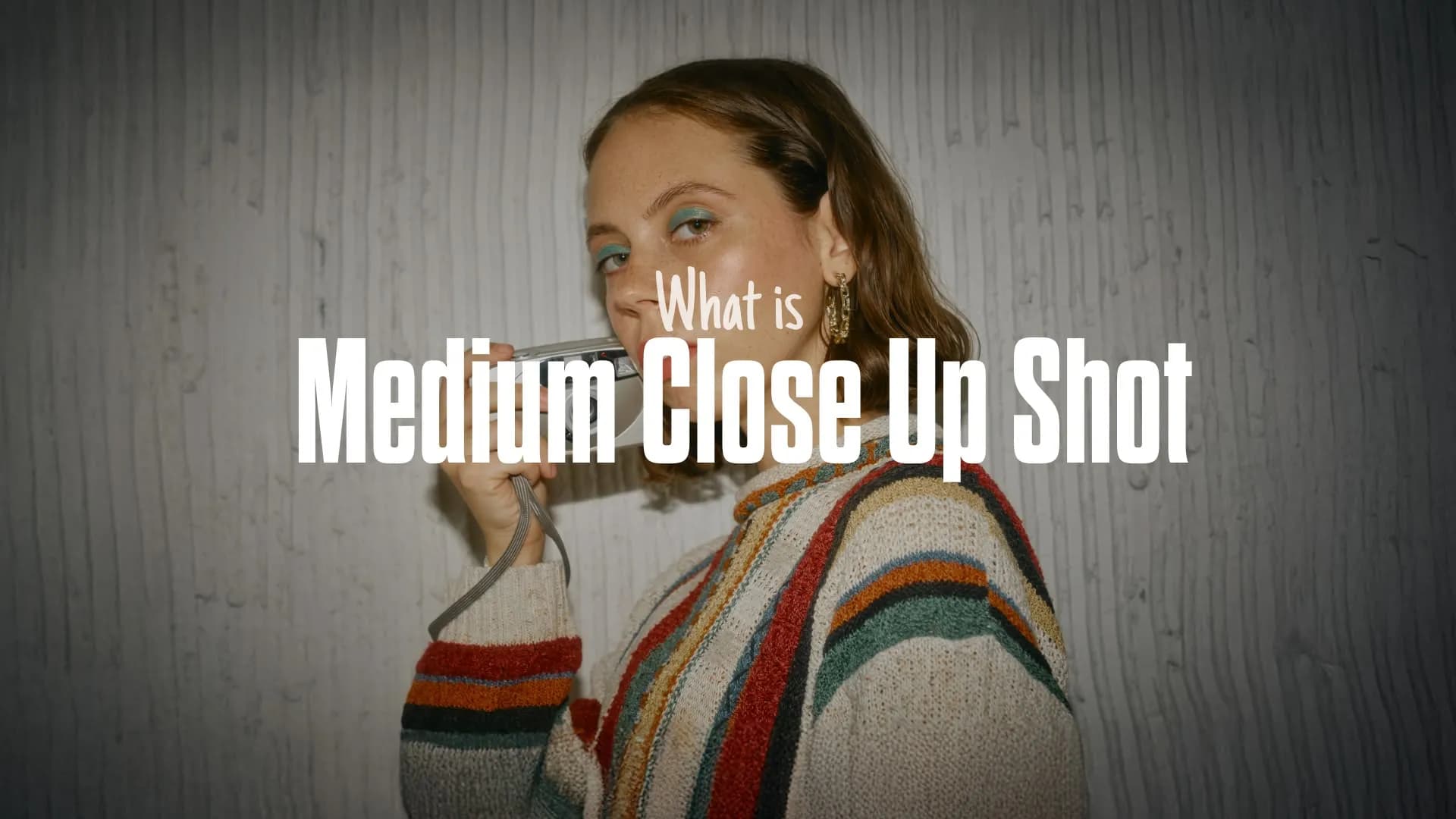
Table of Contents
A medium close-up shot (MCU) is a camera framing that captures a subject from roughly the chest or shoulders up to just above the head, sitting between a standard medium shot and a tight close-up.
It is one of the most commonly used shots in film, television, and video production because it balances emotional expression with just enough body language and background to keep the viewer grounded.
Why the Medium Close-Up Shot Matters
Most viewers never consciously notice shot framing while watching a film or video. But filmmakers and editors think about it constantly, because the distance between the camera and the subject directly shapes how the audience feels.
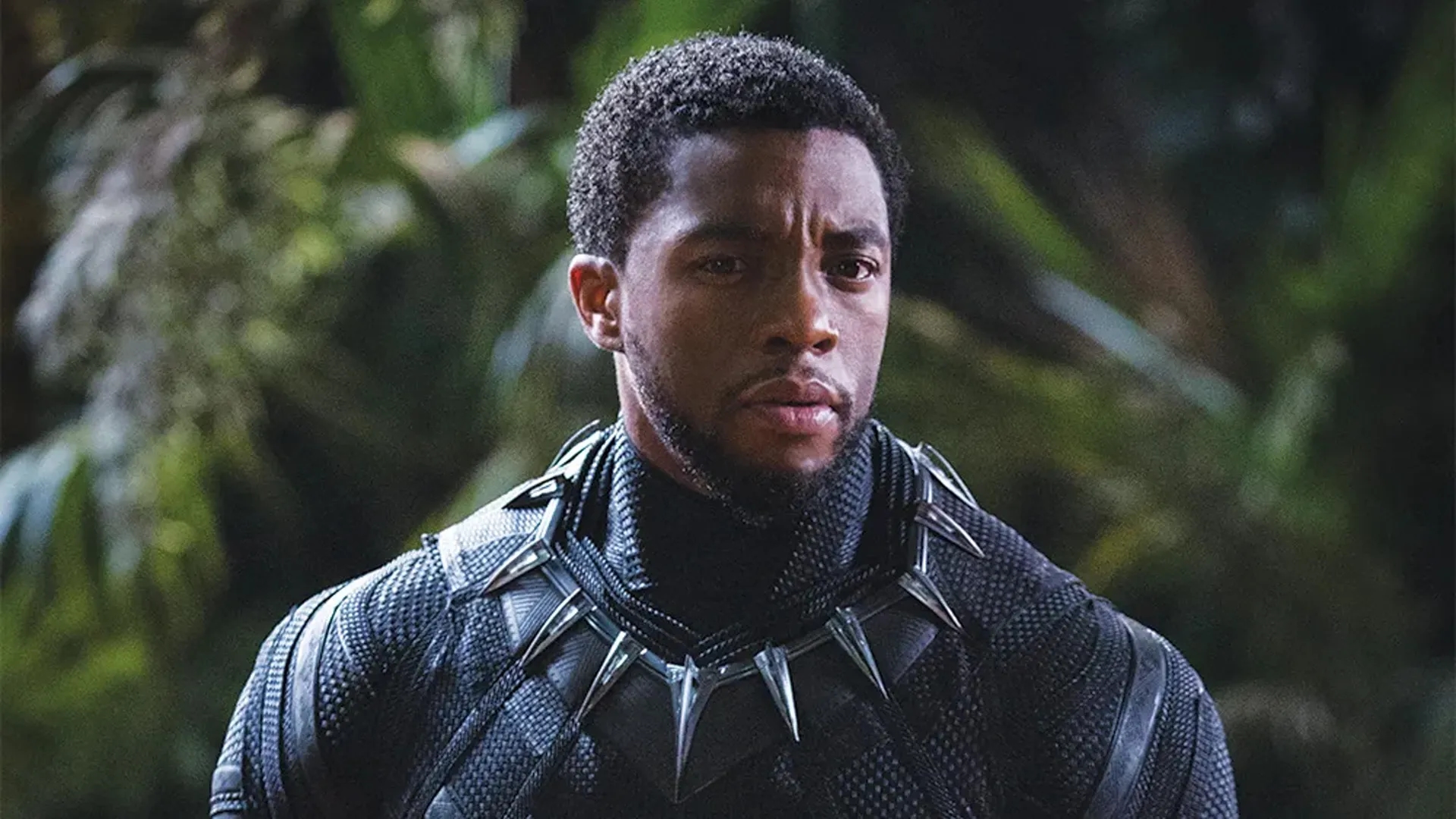
The medium close-up is often called the "Goldilocks" shot for a reason. It is not so wide that emotions get lost in the environment, and not so tight that the viewer feels overwhelmed or claustrophobic. It sits right in the middle, at a conversational distance that feels natural and familiar.
Here is why that matters in practice:
- Emotions read clearly. The face is large enough in the frame for subtle expressions to register without needing a full close-up.
- Context is preserved. A hint of the background and upper body keeps the subject grounded in their environment.
- It saves your close-ups. If you cut to a tight close-up too often, it loses its impact. The MCU lets you build toward those moments without burning them early.
- It is versatile. It works for dialogue, interviews, reactions, YouTube videos, documentaries, and narrative film alike.
How the Medium Close-Up Shot Works
The MCU frames a subject from the chest or shoulders up, stopping just above the top of the head. The exact cutoff varies slightly depending on the director or cinematographer, but the general rule is: you see the face clearly, you see the upper torso, and you lose the waist and below.
In terms of camera setup, a typical MCU is shot:
- At a distance of roughly 5 to 6 feet from the subject
- With a lens in the 24-70mm range (portrait-style focal lengths work well)
- At eye level in most cases, though angles can shift the emotional tone
The result is a frame that feels personal without being invasive. It mimics the distance at which two people might have a real conversation, which is part of why it feels so natural to watch.
Medium Close-Up vs. Medium Shot vs. Close-Up
These three shot types are closely related, and the differences between them are worth understanding clearly.
Shot Type | Typical Framing | Primary Focus | Best Used For |
|---|---|---|---|
Medium Shot (MS) | Waist up | Subject and environment, full gestures | Dialogue, physical action, establishing character in space |
Medium Close-Up (MCU) | Chest or shoulders up | Face and upper body, subtle body language | Neutral coverage, conversations, reactions, interviews |
Close-Up (CU) | Face or a specific feature | Intense emotion, isolation from background | Heightening drama, key reactions, intimate moments |
The medium shot gives you more of the body and more of the world around the subject. It is great for showing physical performance or placing a character within a scene, but emotions can feel distant.
The close-up is the most emotionally intense framing. It cuts out almost everything except the face, which makes it powerful but also something you want to use sparingly so it retains its weight.
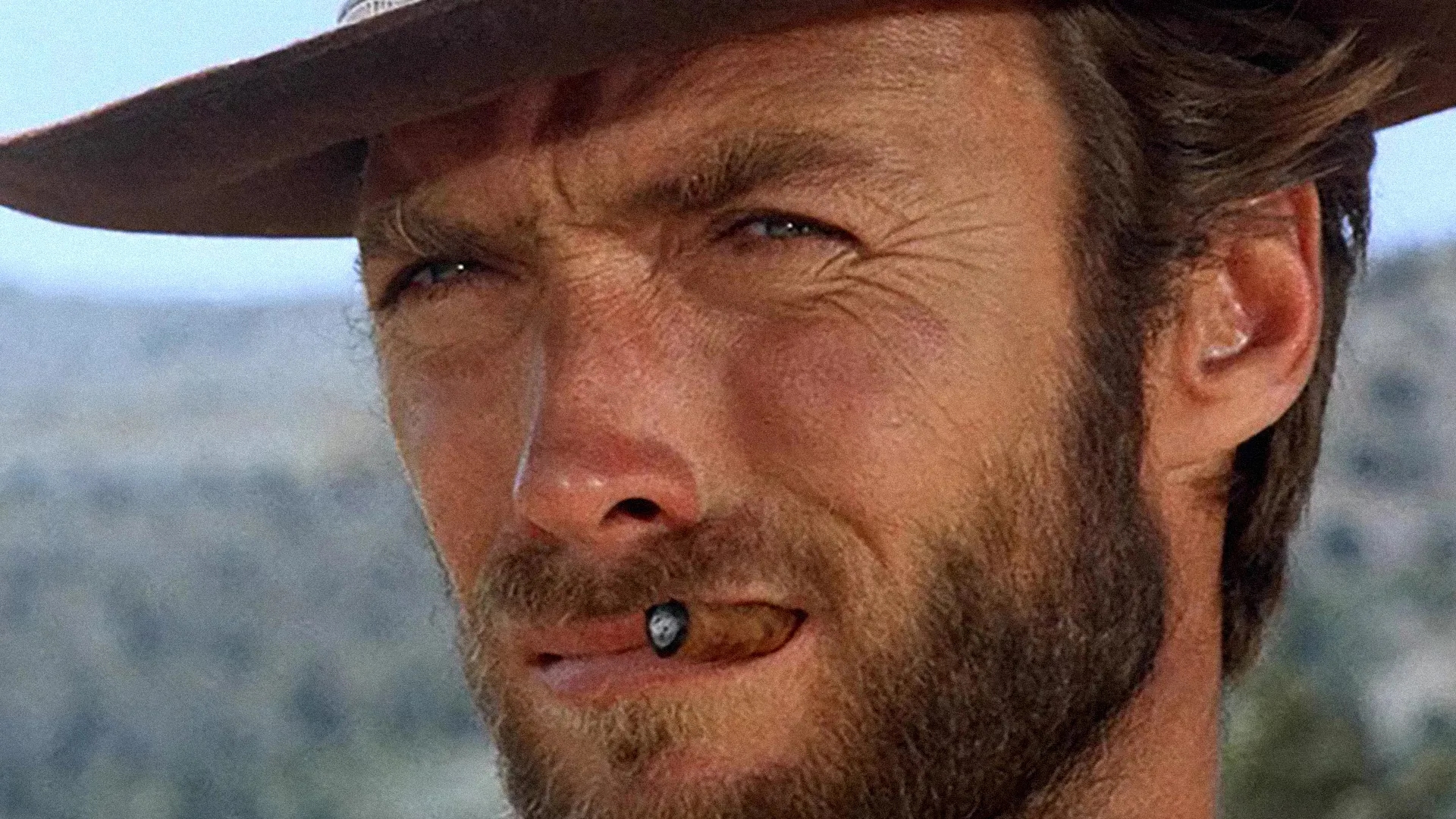
The medium close-up lives between those two. It gives you the emotional clarity of a close-up while keeping just enough context to avoid the intensity of full isolation. That balance is exactly what makes it the workhorse of most productions.
When to Use a Medium Close-Up Shot
The MCU is one of the most flexible shots in any filmmaker's toolkit. Here are the most common situations where it works best:
Dialogue Scenes and Shot-Reverse-Shot
The MCU is the default framing for most dialogue coverage. When two characters are talking, cutting between MCUs of each person gives the viewer a clear read on both faces and reactions without the edit feeling jarring. Films like Top Gun: Maverick use this approach in key conversation scenes to capture emotional nuance while keeping both characters grounded in their environment.
Reaction Shots
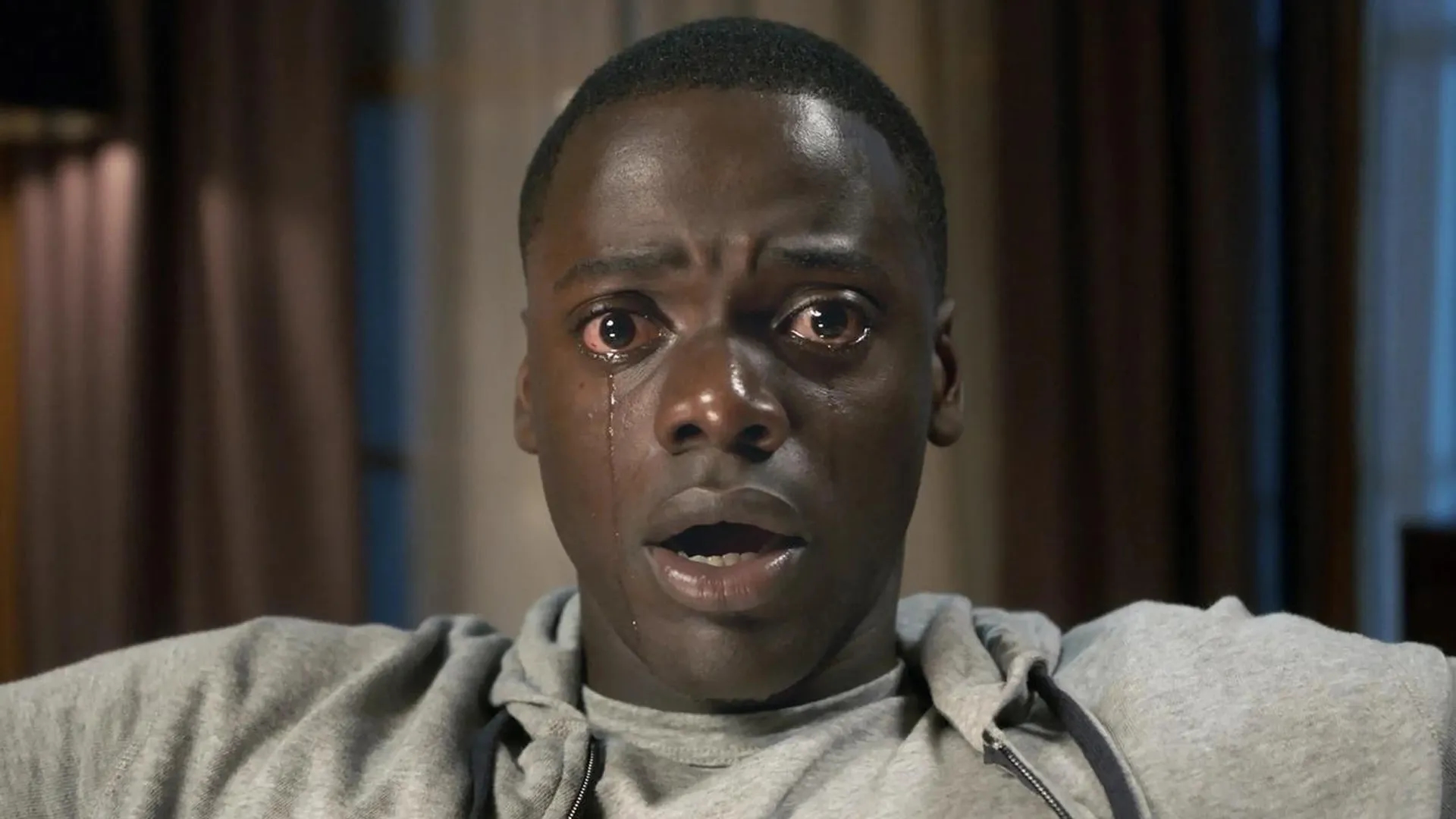
When a character hears something surprising, devastating, or funny, the MCU is often the right choice. It is close enough to catch the micro-expression but wide enough to show a slight shift in posture or a hand movement that adds to the performance.
Interviews and Talking Head Videos
In documentary filmmaking, YouTube videos, and corporate content, the MCU is the standard framing for on-camera speakers. It feels professional, approachable, and keeps the viewer focused on what is being said without the background becoming a distraction.
Building Toward a Close-Up
One of the smartest uses of the MCU is as a stepping stone. If you start a scene wide, cut to an MCU, and then eventually push into a tight close-up at the emotional peak, that progression feels earned. The MCU acts as a middle chapter in the visual story of the scene.
Highlighting a Prop or Detail
The MCU does not have to be a straight-on face shot. Framing a character's hands interacting with an object, while keeping the face partially in frame, draws attention to the detail without losing the human element entirely.
Medium Close-Up Shot Examples in Film
Some of the most recognizable moments in cinema rely on the MCU without most viewers ever realizing it.
David Fincher is known for using MCUs as his baseline coverage framing. Rather than defaulting to wide shots or tight close-ups, he builds scenes at this middle distance, which creates a sense of controlled tension. The close-up, when it finally arrives, hits harder because of it.
Top Gun: Maverick uses MCUs throughout the key conversation between Maverick and Iceman, letting both actors' performances breathe without cutting to uncomfortably tight frames during an already emotional exchange.
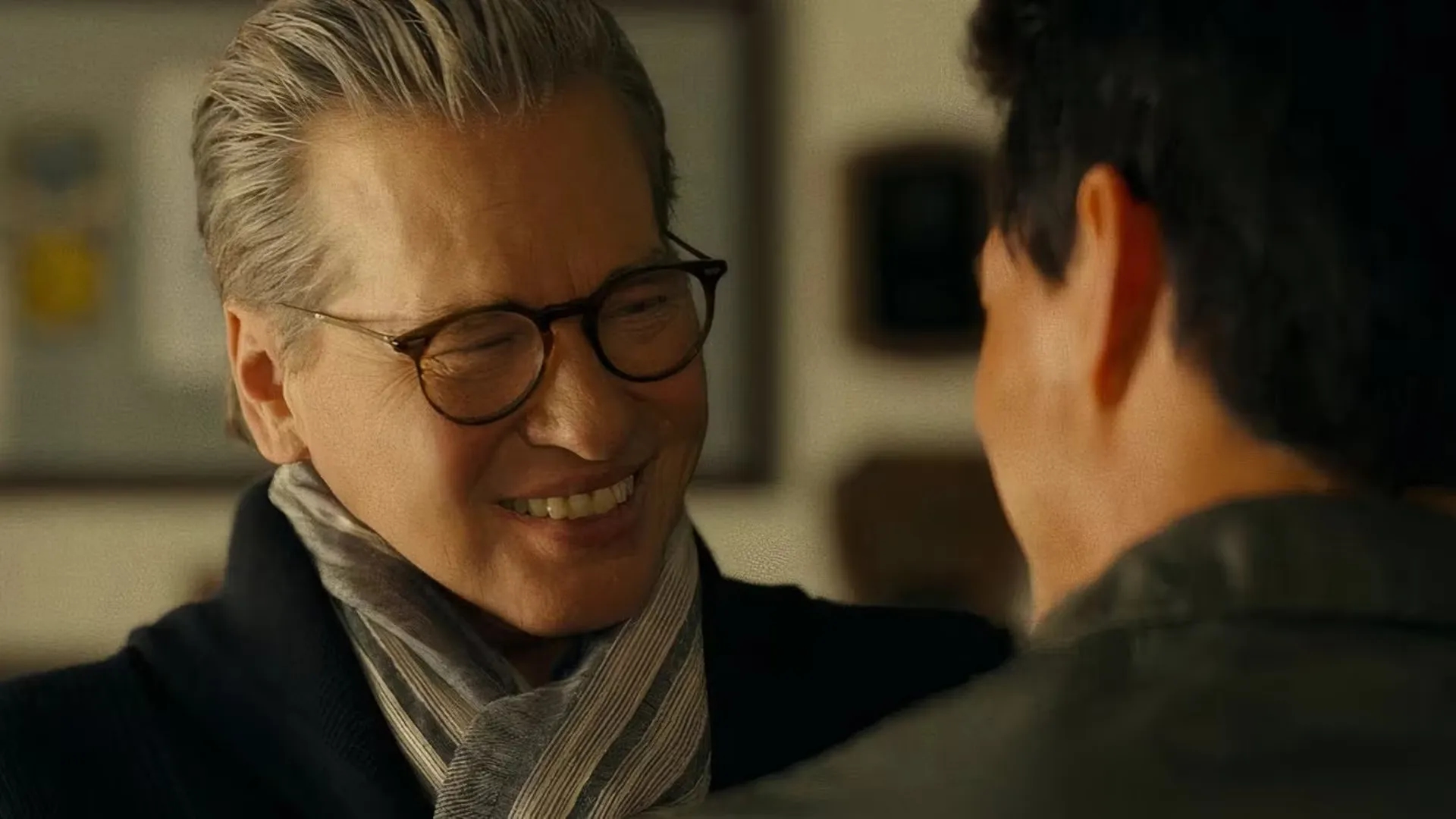
In classic Hollywood filmmaking, the MCU became the standard for romantic scenes, physical comedy with context, and any moment where a director needed the audience to feel connected to a character without fully isolating them from the world around them.
Final Thoughts
The medium close-up shot is a framing that captures a subject from the chest or shoulders up to just above the head. It sits between the medium shot and the close-up, offering a balance of emotional clarity and contextual grounding that makes it one of the most used shots in all of filmmaking.
Whether you are editing a YouTube video, shooting a short film, or cutting a documentary, understanding when and why to use the MCU gives you more control over how your audience feels at any given moment. It is not the most dramatic shot in your toolkit, but it is often the most reliable one.
If you want to go deeper into shot types and how they affect your edits, explore how transitions and visual pacing work alongside your framing choices to shape the overall feel of a scene.
Frequently Asked Questions
What is a medium close-up shot?
A medium close-up shot (MCU) is a camera framing that captures a subject from the chest or shoulders up to just above the head. It balances facial expression with a small amount of body language and background context.
What does MCU stand for in film?
In filmmaking, MCU stands for Medium Close-Up. It refers to a specific shot size that sits between a medium shot and a close-up in terms of how tightly the subject is framed.
What is the difference between a medium close-up and a close-up?
A close-up focuses tightly on the face or a specific feature, cutting out most of the background and body. A medium close-up pulls back slightly to include the chest or shoulders, giving the viewer a bit more context while still keeping the focus on the subject's expression.
What is the difference between a medium shot and a medium close-up?
A medium shot frames the subject from the waist up, showing more of the body and the surrounding environment. A medium close-up is tighter, starting at the chest or shoulders and placing more emphasis on the face and subtle upper-body movement.
When should you use a medium close-up shot?
The MCU works best in dialogue scenes, reaction shots, interviews, and any moment where you want the viewer to read a character's emotions clearly without the intensity of a full close-up. It is also useful as a transitional framing when building toward a tighter shot later in a scene.
Is the medium close-up the most common shot in film?
It is one of the most common, yes. Its versatility makes it a default choice for dialogue coverage, talking head formats, and general scene coverage across narrative film, documentary, and video content.
Related Posts
 Video Editing
What is Color Grading vs Color Correction? Everything Editors Need to Know
 Video Editing