Table of Contents
- Why Wide Shots Matter in Filmmaking
- How a Wide Shot Works
- Types of Wide Shots
- Wide Shot Examples From Iconic Films
- When to Use a Wide Shot in Your Videos
- Wide Shot vs. Medium Shot vs. Close-Up: What Is the Difference?
- Final Thoughts
- Frequently Asked Questions
- Spotlight FX - Get free transitions, effects and workflow tools
A wide shot (also called a long shot or full shot) is a camera framing technique that captures the entire subject within the frame while showing a significant portion of the surrounding environment.
In simple terms, it answers three questions at once: who is in the scene, where they are, and how they relate to their surroundings.
Why Wide Shots Matter in Filmmaking
Most viewers do not consciously notice shot types while watching a film or video. But they absolutely feel them. A wide shot does something no other framing can do as efficiently: it gives the audience the full picture, literally and emotionally.
Without wide shots, scenes can feel claustrophobic, disconnected, or confusing. Audiences lose their sense of place. Characters feel like they exist in a void rather than a real world.
Wide shots are also one of the most powerful tools for storytelling through composition. The amount of space between a character and the edges of the frame communicates something. A character dwarfed by a massive landscape feels vulnerable. A character centered in a wide open space feels bold or isolated. You are not just showing a location, you are telling the audience how to feel about it.
For video editors, understanding wide shots is just as important as it is for directors and cinematographers. Knowing when to cut to a wide shot, how to pace them, and how to use them as visual anchors in your edit is a skill that separates average edits from professional ones.
How a Wide Shot Works
A wide shot is achieved in one of two ways:
- Moving the camera further from the subject, so more of the environment fills the frame naturally.
- Using a wide-angle lens (typically 35mm or wider, sometimes as wide as 16mm), which captures a broader field of view and adds a sense of depth and scale.
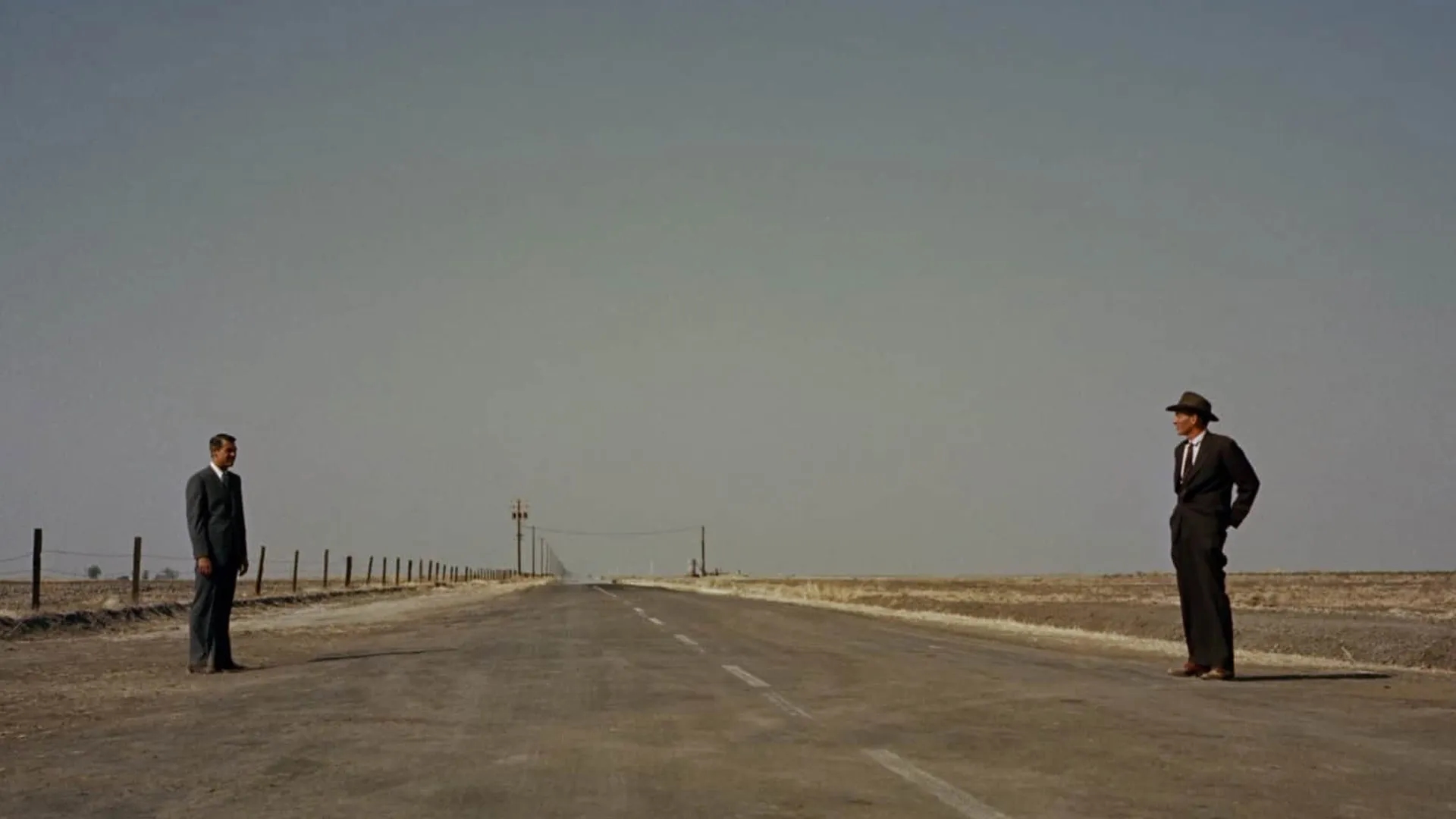
The choice between these two approaches matters. Moving the camera back keeps proportions natural. Using a wide-angle lens, on the other hand, can slightly distort the image, making spaces feel larger and adding a cinematic depth that many directors intentionally seek out.
Directors like Stanley Kubrick, Denis Villeneuve, and Quentin Tarantino have all used wide-angle lenses as a signature part of their visual style, precisely because of how they warp space and make environments feel immersive.
Types of Wide Shots
Not all wide shots are the same. There is a clear hierarchy based on how much of the environment is shown versus how visible the subject is.
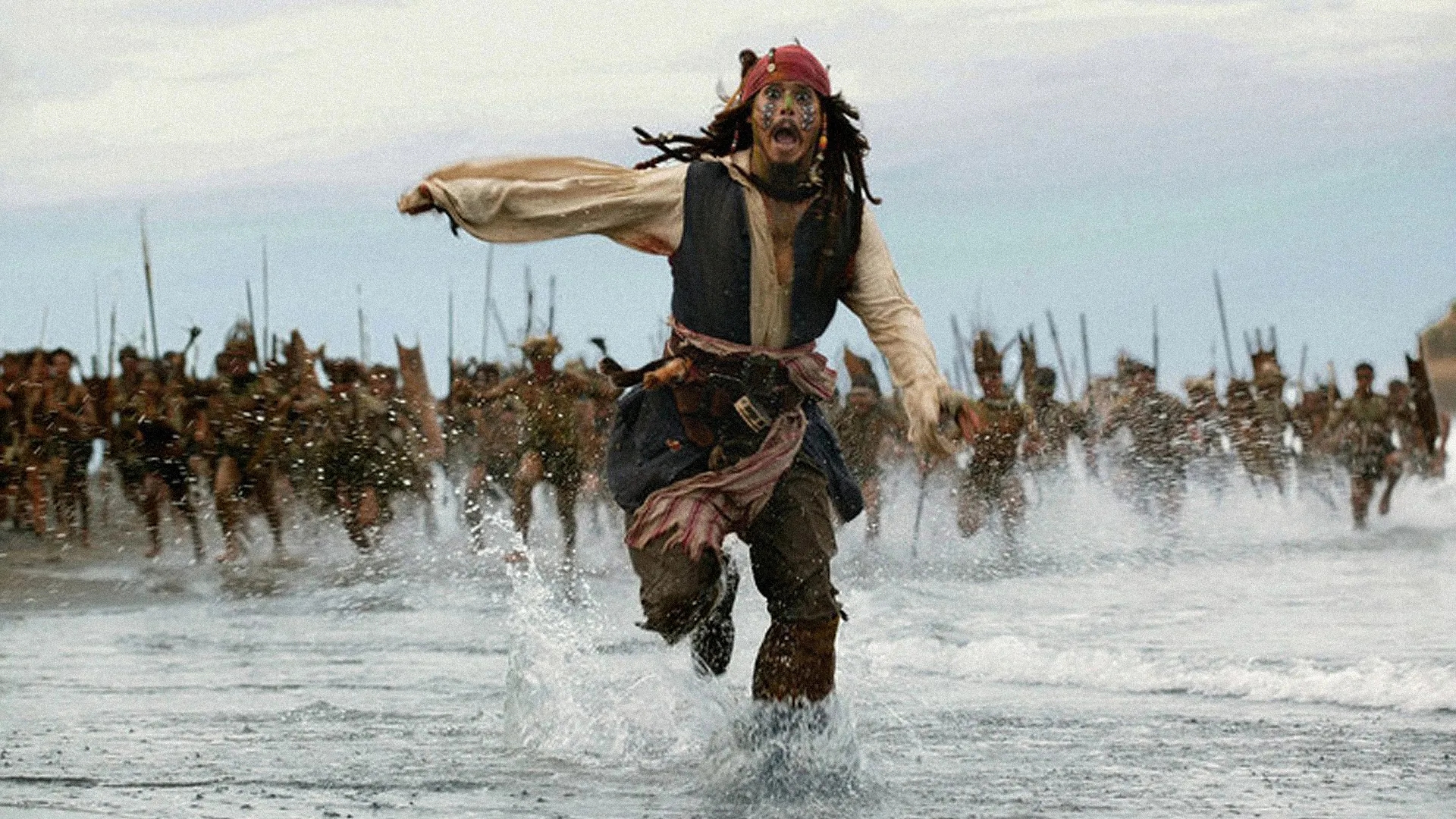
Wide Shot (WS)
The standard wide shot shows the full body of the subject (head to toes) with a generous amount of surrounding environment. The subject is clearly visible and recognizable, but the setting plays an equally important role in the frame. This is the most common type used for establishing scenes, showing action, and revealing character placement.
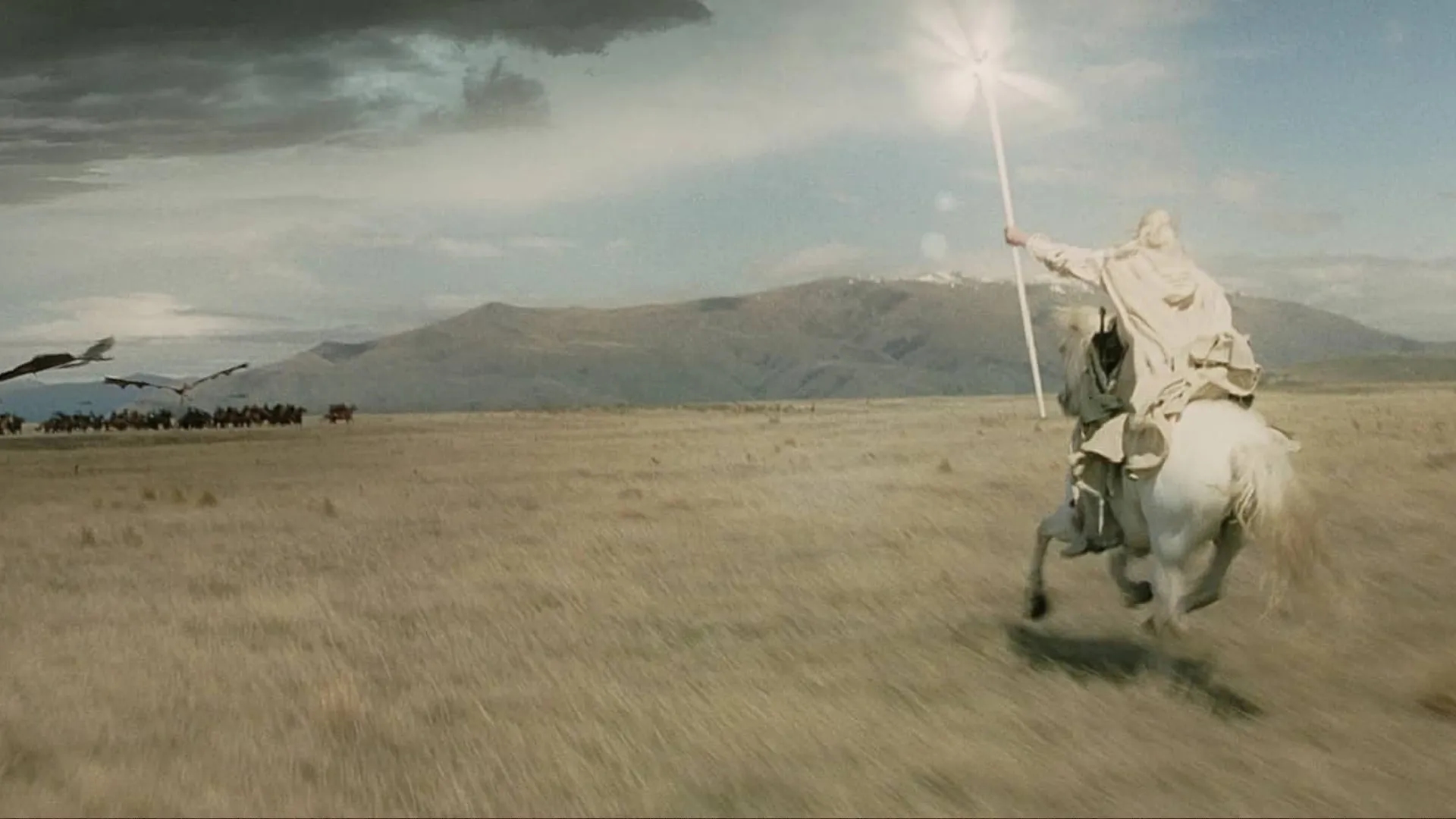
Very Wide Shot (VWS)
The camera is pulled back further than a standard wide shot. The character is still visible but starts to feel small relative to the environment. This is often used to begin orienting the audience to a large or complex setting before cutting closer.
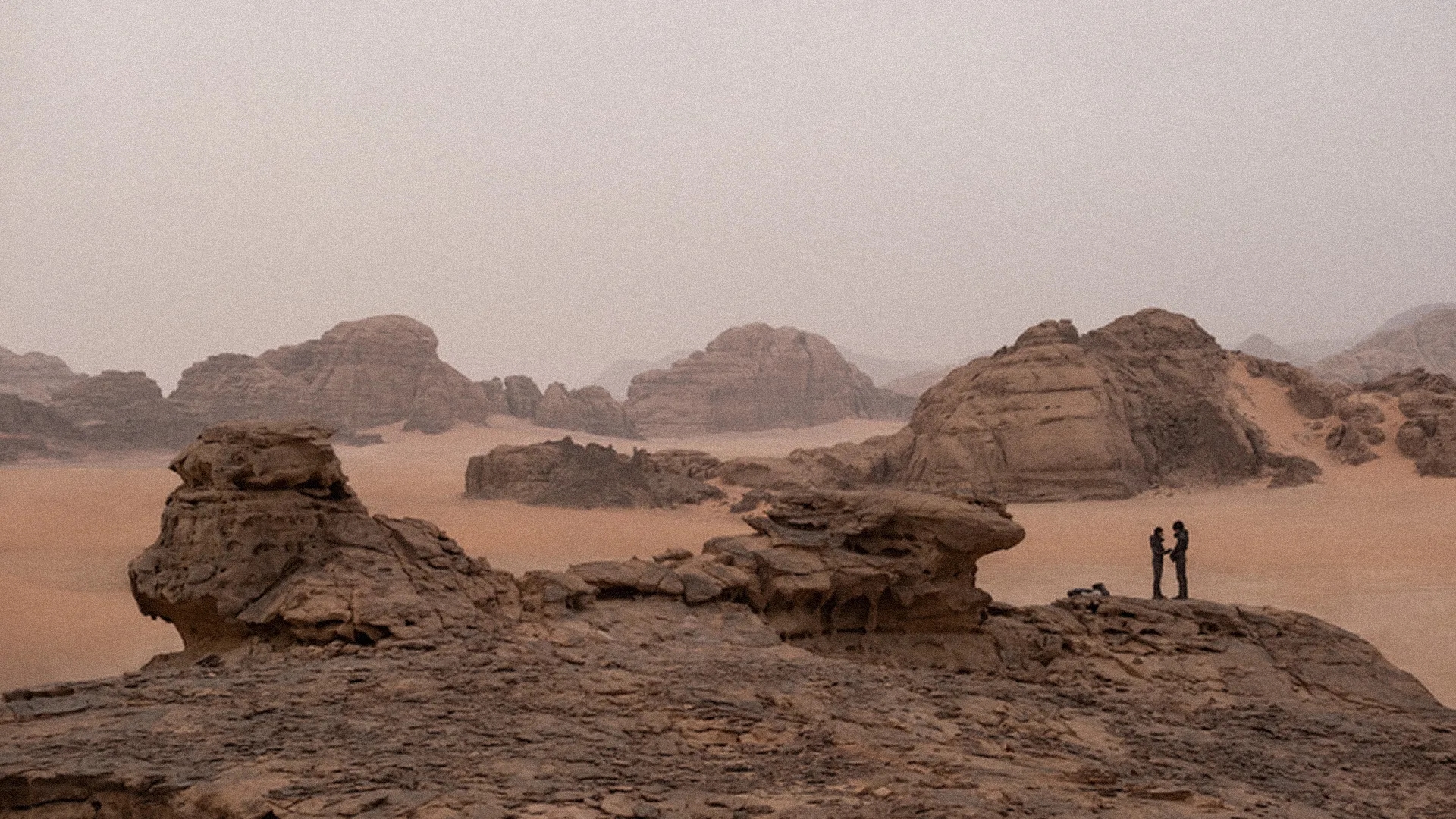
Extreme Wide Shot (EWS)
In an extreme wide shot, the subject appears tiny, sometimes barely visible, within a vast landscape or environment. The environment completely dominates the frame. This type is used to convey scale, isolation, awe, or existential weight. Think of sweeping desert landscapes or a lone figure standing at the edge of a cliff.
Establishing Shot
Technically a use case rather than a distinct shot type, the establishing shot is almost always a wide or extreme wide shot. It is typically the first shot of a scene or sequence, used to tell the audience where and when the action is taking place.
Wide Shot Examples From Iconic Films
Real examples make this much easier to understand. Here is how some of the most respected directors in cinema have used wide shots to tell their stories.
Film | Director | Wide Shot Example | Effect |
|---|---|---|---|
Schindler's List (1993) | Steven Spielberg | Red-coated girl amid concentration camp chaos | Creates mystery, innocence, and horror through emotional distance |
Django Unchained (2012) | Quentin Tarantino | Django entering the plantation, watched from afar | Frames the character boldly against an oppressive setting |
Dune: Part Two (2024) | Denis Villeneuve | Paul Atreides facing a massive sandworm | Conveys unexpected scale and the weight of the challenge |
Mad Max: Fury Road (2015) | George Miller | Max as a lone figure in the wasteland | Emphasizes bleak isolation and hopelessness |
The Lord of the Rings trilogy | Peter Jackson | Vast New Zealand landscapes | Instills awe and epic scope |
Lawrence of Arabia (1962) | David Lean | Endless desert vistas | Creates existential grandeur and human insignificance |
Citizen Kane (1941) | Orson Welles | Boarding house scene with deep-focus wide | Layers foreground and background action simultaneously |
Each of these examples uses the wide shot not just to show a location, but to say something about the characters and the story. That is the key distinction between using a wide shot technically and using it intentionally.
When to Use a Wide Shot in Your Videos
Understanding the theory is one thing. Knowing when to actually reach for a wide shot in your own projects is where it becomes practical.
Use a wide shot to open a scene. If your audience needs to understand where something is happening before they can follow what is happening, start wide. This is true for YouTube videos, short films, travel content, and documentary work alike.
Use a wide shot to show action and movement. Close-ups and medium shots are great for emotion, but they hide movement. If a character is running, dancing, fighting, or doing anything physical, a wide shot lets the audience see the full performance.
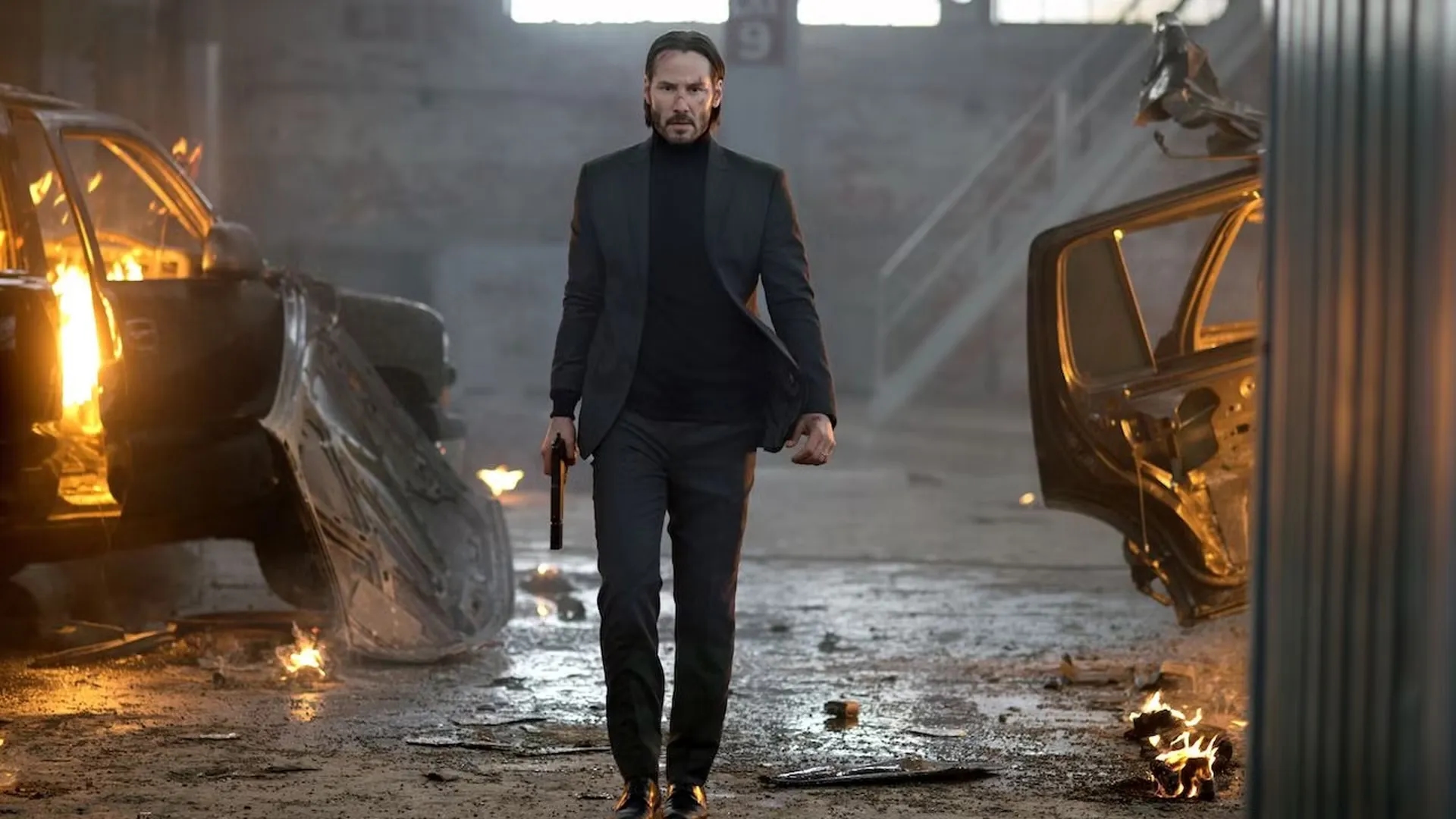
Use a wide shot to show scale. If the size of something is part of the story, you need a wide shot to communicate it. A crowd, a building, a landscape, a stadium: none of these feel impressive in a close-up.
Use a wide shot to create emotional distance. Sometimes you do not want the audience to feel close to a character. Keeping them at a distance in the frame creates unease, mystery, or a sense of detachment that can be incredibly powerful.
Use a wide shot as a reset in your edit. After a series of tight cuts, close-ups, and fast edits, cutting to a wide shot gives the audience a moment to breathe and re-orient. It is a pacing tool as much as a visual one.
Wide Shot vs. Medium Shot vs. Close-Up: What Is the Difference?
These three shot types form the core vocabulary of visual storytelling. Here is how they compare:
Shot Type | Typical Framing | Primary Purpose |
|---|---|---|
Wide Shot | Full body and environment | Establish location, show scale, reveal spatial relationships |
Medium Shot | Waist to head | Dialogue, body language, character interaction |
Close-Up | Face or specific detail | Emotion, reaction, emphasis on a specific element |
A well-edited scene typically moves between all three. You open wide to establish, cut to medium for conversation, and push into close-up for the emotional peak. Understanding how these shots work together is what makes editing feel intentional rather than random.
Final Thoughts
A wide shot is one of the most fundamental tools in filmmaking and video editing. It establishes where you are, shows who is involved, communicates scale, and sets the emotional tone of a scene, all in a single frame.
Whether you are editing a YouTube video, a short film, a music video, or a documentary, knowing when and how to use a wide shot will make your work feel more professional and more intentional.
The next time you watch a film or video you admire, pay attention to when they cut to a wide shot and ask yourself why. Nine times out of ten, there is a very deliberate reason behind it.
Frequently Asked Questions
What is a wide shot in filmmaking?
A wide shot is a camera framing technique that captures the full subject (usually head to toe) along with a significant portion of the surrounding environment. It is used to establish location, show scale, and reveal the relationship between characters and their setting.
What is the difference between a wide shot and an extreme wide shot?
In a wide shot, the subject is clearly visible and takes up a meaningful portion of the frame. In an extreme wide shot, the subject appears very small or even tiny within a vast environment, with the landscape or setting dominating the composition.
What is a wide-angle shot?
A wide-angle shot refers to footage captured using a wide-angle lens (typically 35mm or wider). These lenses capture a broader field of view and can add depth distortion, making spaces feel larger and more immersive. It is often used interchangeably with "wide shot," though technically the lens choice and the framing are two separate decisions.
When should you use a wide shot?
Use a wide shot to open a scene, show physical action or movement, establish scale, create emotional distance, or give the audience a visual reset after a series of tight cuts.
What is an establishing shot?
An establishing shot is typically a wide or extreme wide shot used at the beginning of a scene or sequence to show the audience where and when the action is taking place. It orients the viewer before cutting to closer shots.
Related Posts
 Video Editing