What Was the First CGI Movie? History Explained

Table of Contents
- Why the first CGI movie matters
- How CGI works
- What was the first movie to use CGI? (Westworld, 1973)
- What was the first fully CGI movie? (Toy Story, 1995)
- A timeline of early CGI milestones
- Is Westworld or Toy Story the first CGI movie?
- Was Tron the first CGI movie?
- What's the difference between CGI and computer animation?
- How long did it take to make Toy Story?
- Final thoughts
- Spotlight FX - Get free transitions, effects and workflow tools
The first movie to use computer-generated imagery (CGI) was Westworld (1973), which used digital image processing to create the pixelated point-of-view shots of its android Gunslinger. The first fullycomputer-animated feature film was Toy Story (1995).
So the answer depends on what you mean by "first CGI movie": the first film to use any CGI at all, or the first film made entirely with CGI. Both are landmark moments in film history.
Why the first CGI movie matters
CGI is everywhere now. From Marvel blockbusters to YouTube intros, computer-generated imagery is the default way filmmakers create things a camera can't capture. But it all started with a few seconds of grainy, pixelated footage in the early 1970s.
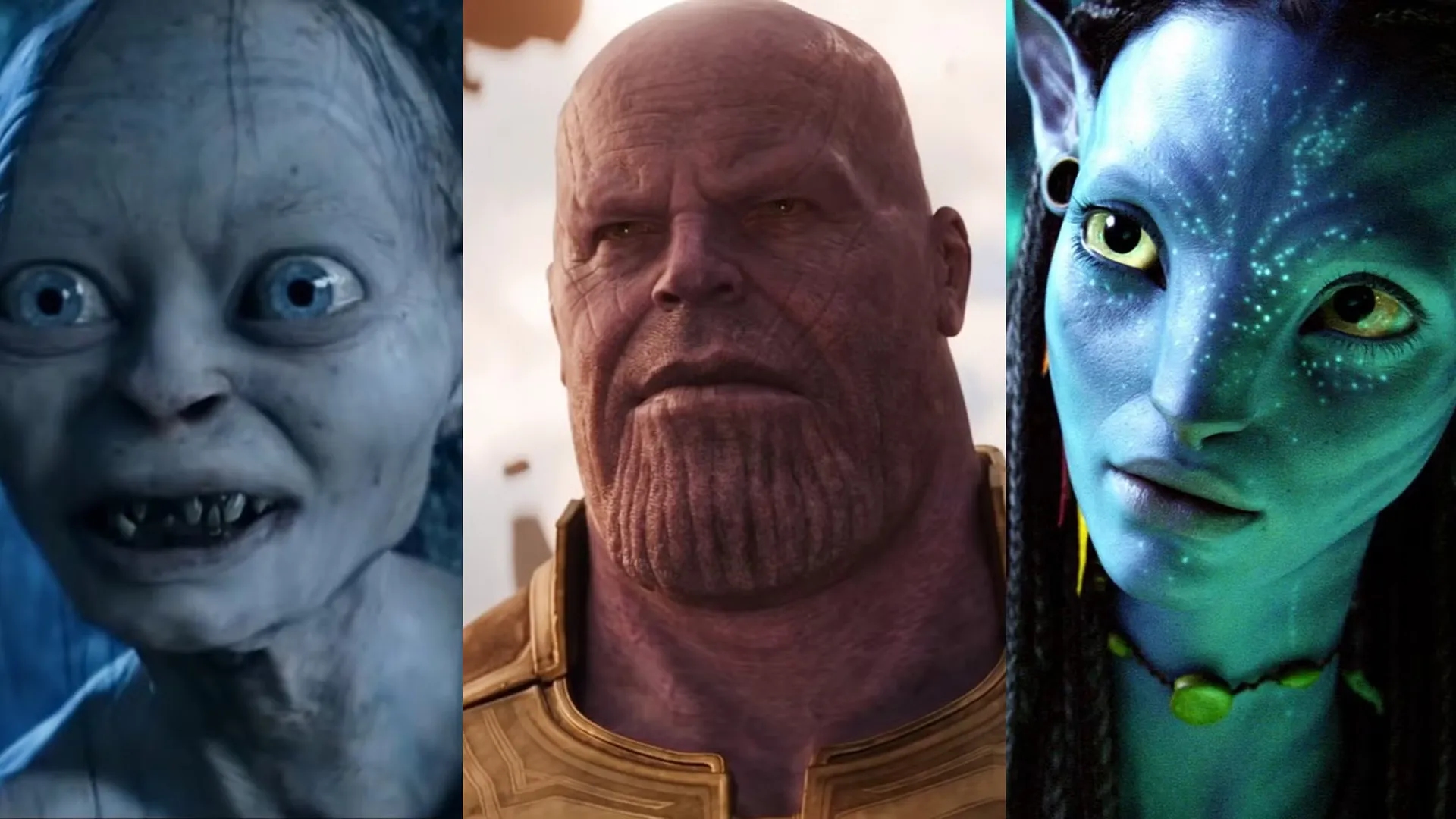
Understanding where CGI began helps you appreciate how fast the technology moved. In just over 20 years, the industry went from a single processed shot in Westworld to a complete 81-minute feature animated entirely on computers with Toy Story. That's a remarkable leap.
It also matters because the same building blocks invented in those early years (modeling, rendering, compositing) are still the foundation of every visual effect and motion graphic made today, right down to the transitions and overlays editors drop into their timelines.
How CGI works
CGI in movies is computer-made imagery used to create characters, creatures, explosions, or entire worlds that the camera never filmed. At a high level, artists build a digital object, give it a surface, make it move, then render it into finished images that get combined with live-action footage.
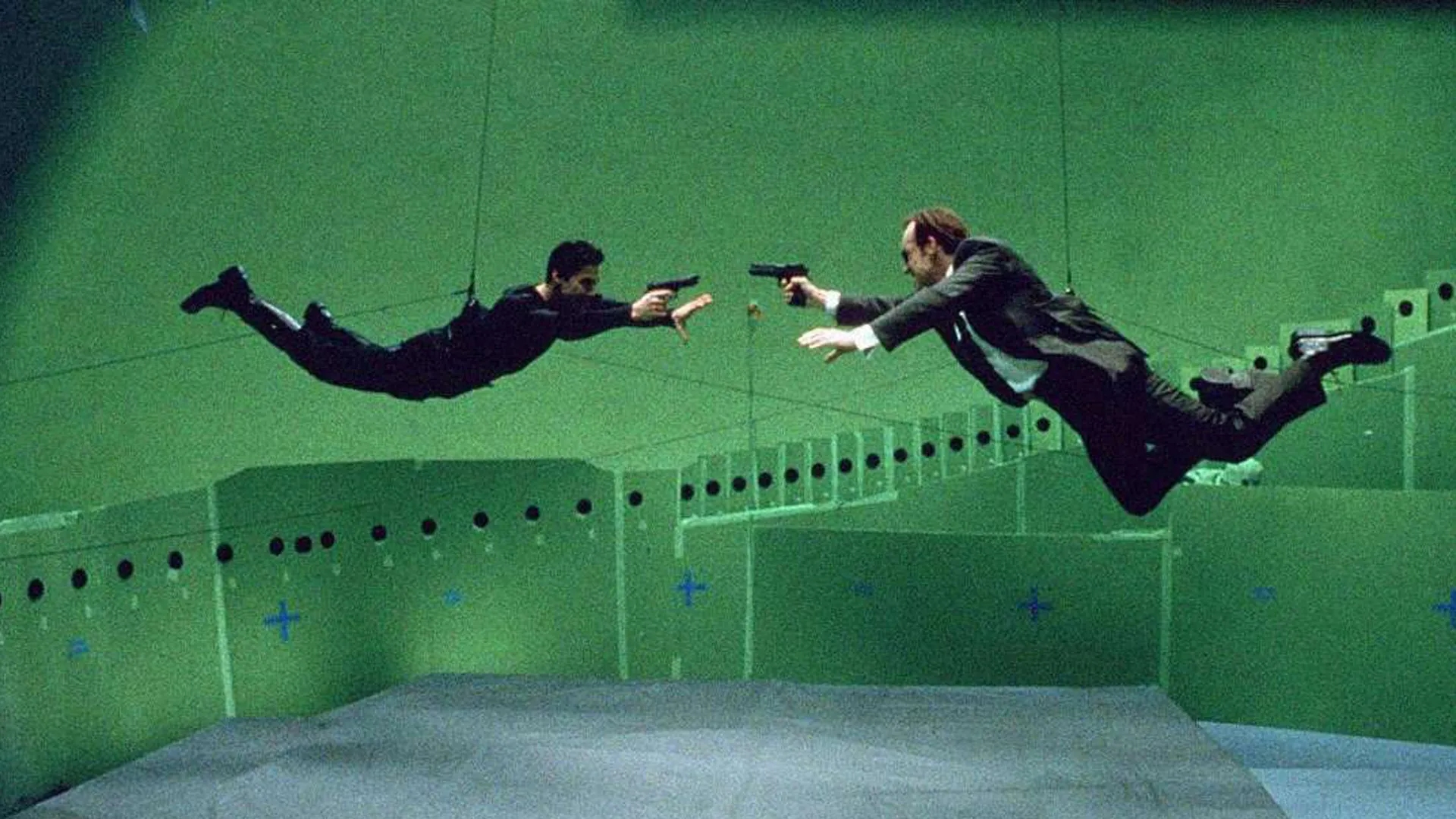
Here's the basic pipeline in plain language:
- Modeling: Build the digital shape of a person, object, or environment in 3D software.
- Texturing: Add colors, patterns, and surface properties so it looks like skin, metal, glass, and so on.
- Rigging: Build a digital skeleton inside the model so it can bend and move.
- Animation: Pose the rig frame by frame, or use motion capture data from real actors.
- Lighting and rendering: The computer calculates light, shadows, and reflections, then turns the 3D scene into final images.
- Compositing: Blend the rendered CGI with live-action footage into one seamless shot.
A simple way to picture it: model = build the thing, texture = paint it, rig = give it bones, animate = make it move, render = photograph it with light, composite = drop it into the scene.
What was the first movie to use CGI? (Westworld, 1973)
Westworld (1973), written and directed by Michael Crichton, is widely credited as the first feature film to use computer-generated imagery in a special effect.
The famous shot is the Gunslinger's point of view, a blocky, pixelated, color-blocked version of what the android robot "sees." To create it, John Whitney Jr. and Gary Demos at Information International, Inc. used 2D digital image processing to break the footage into colored squares.
Technically, this was digital image processing rather than the 3D-rendered CGI we think of today. But it was the first time a feature film used digitized imagery as a deliberate cinematic effect, which is why Westworld gets the "first CGI movie" title in most film history accounts.
The sequel, Futureworld (1976), pushed things further by featuring an early example of 3D computer-generated graphics, including a digital hand and face.
What was the first fully CGI movie? (Toy Story, 1995)
Toy Story (1995), made by Pixar and distributed by Disney, was the first fully computer-animated feature film released theatrically.
It wasn't the first film to use CGI, but it was the first feature-length movie created entirely with computer animation from start to finish. Every frame, every character, every set was built and rendered on computers.
Its importance was both technical and industrial:
- It proved CGI could carry an entire feature, not just a few effects shots.
- It made computer animation a mainstream, theatrical art form.
- It launched Pixar as a powerhouse and kicked off the modern era of CGI animated movies.
Pixar didn't get there overnight. They built up to it with fully CGI short films like Luxo Jr. (1986) and Tin Toy(1988), proving the techniques worked before committing to a full feature.
A timeline of early CGI milestones
Here's where the key early films fit in CGI history:
- 1973 — Westworld: First feature film to use CGI (2D digital image processing) for the Gunslinger's POV.
- 1982 — Tron: First feature to extensively integrate computer-generated environments with live action. Roughly 15 to 20 minutes of CGI, unprecedented at the time.
- 1984 — The Last Starfighter: One of the first films to use CGI in place of physical miniatures for full spaceship and battle shots.
- 1986 — Luxo Jr.: Pixar's first fully CGI short, showing computer animation could carry a story.
- 1988 — Tin Toy: Pixar refined the techniques that would make a full CGI feature possible.
- 1995 — Toy Story: First fully computer-animated feature film.
Is Westworld or Toy Story the first CGI movie?
Both, depending on the definition. Westworld (1973) was the first feature film to use any CGI. Toy Story(1995) was the first feature film made entirely with CGI. If someone says "the first CGI movie," they usually mean Westworld for the first use of the technology and Toy Story for the first full computer-animated feature.
Was Tron the first CGI movie?
No, but it's a major early milestone. Tron (1982) was the first feature film to extensively integrate computer-generated imagery with live action, with around 15 to 20 minutes of CGI.
Westworld used CGI nine years earlier, though Tron was a far more ambitious experiment.
What's the difference between CGI and computer animation?
CGI (computer-generated imagery) is the broad term for any imagery created on a computer, including single effects shots in a live-action film. Computer animation refers to animating characters and scenes entirely with CGI, as in a fully animated feature like Toy Story. All computer animation is CGI, but not all CGI is full computer animation.
How long did it take to make Toy Story?
Toy Story took roughly four to five years of development and production, with Pixar building on techniques developed across earlier short films like Luxo Jr. (1986) and Tin Toy (1988) before committing to a full 81-minute feature.
Final thoughts
The first movie to use CGI was Westworld in 1973, with its pixelated robot POV, while the first fully CGI feature was Toy Story in 1995. In just over two decades, computer-generated imagery went from a few seconds of processed footage to an entire animated film, and the same core ideas (modeling, animating, rendering, compositing) still power every visual effect today.