What Is an Establishing Shot? Explained With Examples in Film

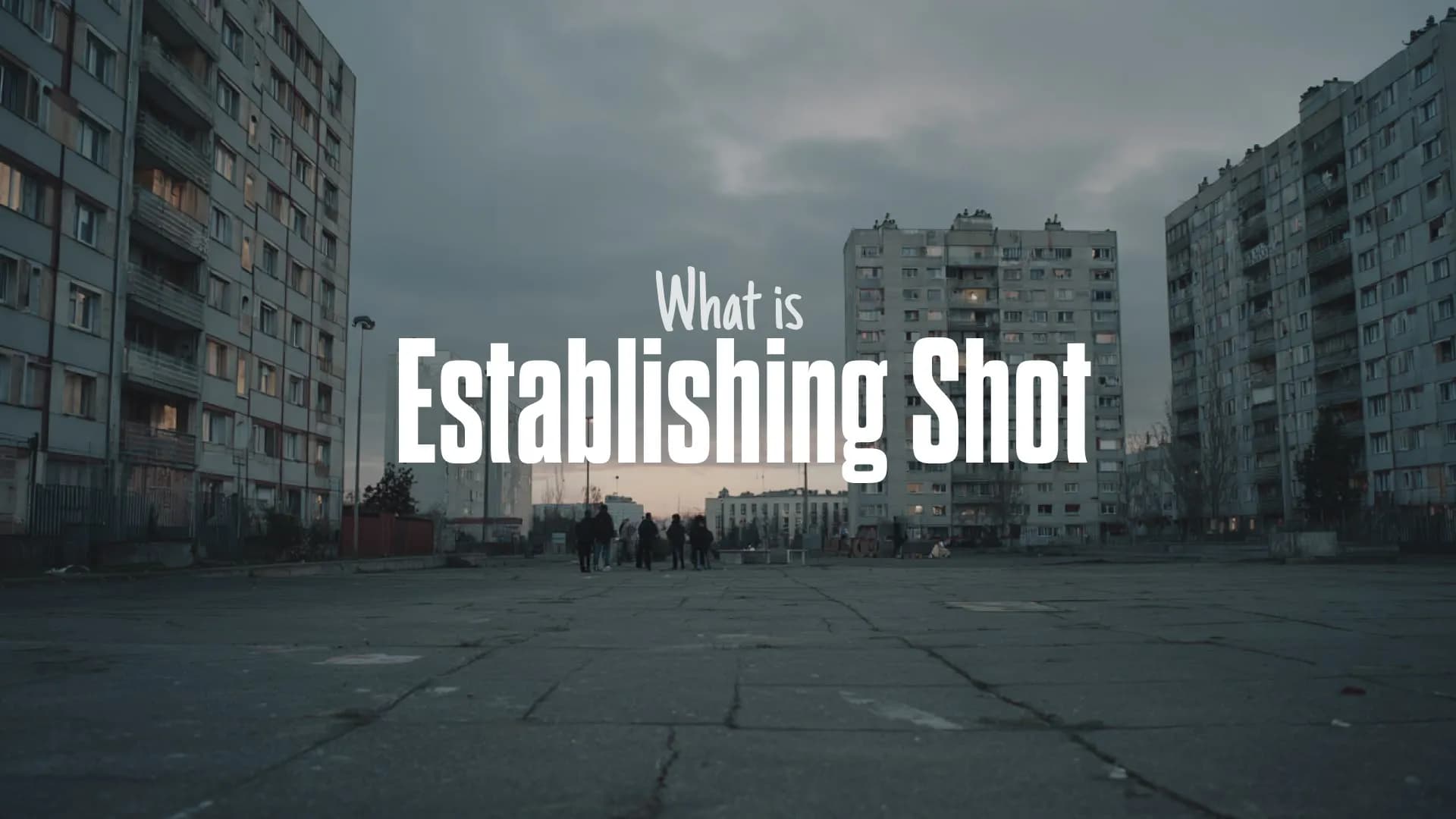
Table of Contents
An establishing shot is a wide or extreme wide shot placed at the beginning of a scene to show the audience where and when the action takes place. It orients viewers to the physical space, the time of day, and the overall mood before cutting to closer, more intimate shots.
In short: it answers the question "where are we?" before the story moves forward.
Why Establishing Shots Matter in Filmmaking
Without an establishing shot, audiences can feel disoriented. They do not know if a scene is happening inside a house, in a city, or on another planet. That confusion pulls people out of the story, which is the last thing any filmmaker wants.
But establishing shots do more than just answer "where are we?" They set the emotional tone of everything that follows. A dark, foggy exterior of a mansion tells you something very different from a bright, sun-soaked beach. The cinematography, lighting, and framing all work together to prepare the audience emotionally before a single word of dialogue is spoken.
Here is what a well-executed establishing shot communicates:
- Location: The physical setting, whether it is a city, a building, a room, or a landscape
- Time: Day or night, season, historical period
- Mood: The emotional atmosphere of the scene ahead
- Scale: How big or small the environment is relative to the characters
- Context: Sometimes even plot details, like a character's social status or isolation
Think of it as the visual equivalent of the first sentence in a chapter of a novel. It grounds everything that follows.
How an Establishing Shot Works
An establishing shot is almost always placed at the very start of a scene or after a location change. It is typically a wide or extreme wide shot, meaning the camera is far enough back to capture the full environment rather than focusing on any individual character.
The basic structure looks like this:
- Establishing shot (wide, shows the location and context)
- Master shot (covers the full scene with all characters)
- Coverage shots (close-ups, medium shots, reaction shots)
The establishing shot is the anchor. Once the audience knows where they are, the editor can cut freely between tighter shots without losing anyone. This is sometimes called "geographic orientation," and it is one of the foundational rules of continuity editing.
It is also worth noting that establishing shots do not always have to be static. Directors often use camera movement, like a slow pan or a drone flyover, to reveal the location gradually and build anticipation.
The Different Types of Establishing Shots
Not all establishing shots look the same. Depending on the story, the genre, and the director's vision, they can take several different forms.
Extreme Long Shot (ELS)
This is the most classic form. The camera is placed very far from the subject, making the environment the dominant element in the frame. Characters, if visible at all, appear tiny. This is common in westerns, epics, and sci-fi films where scale is part of the story.
Aerial Shot
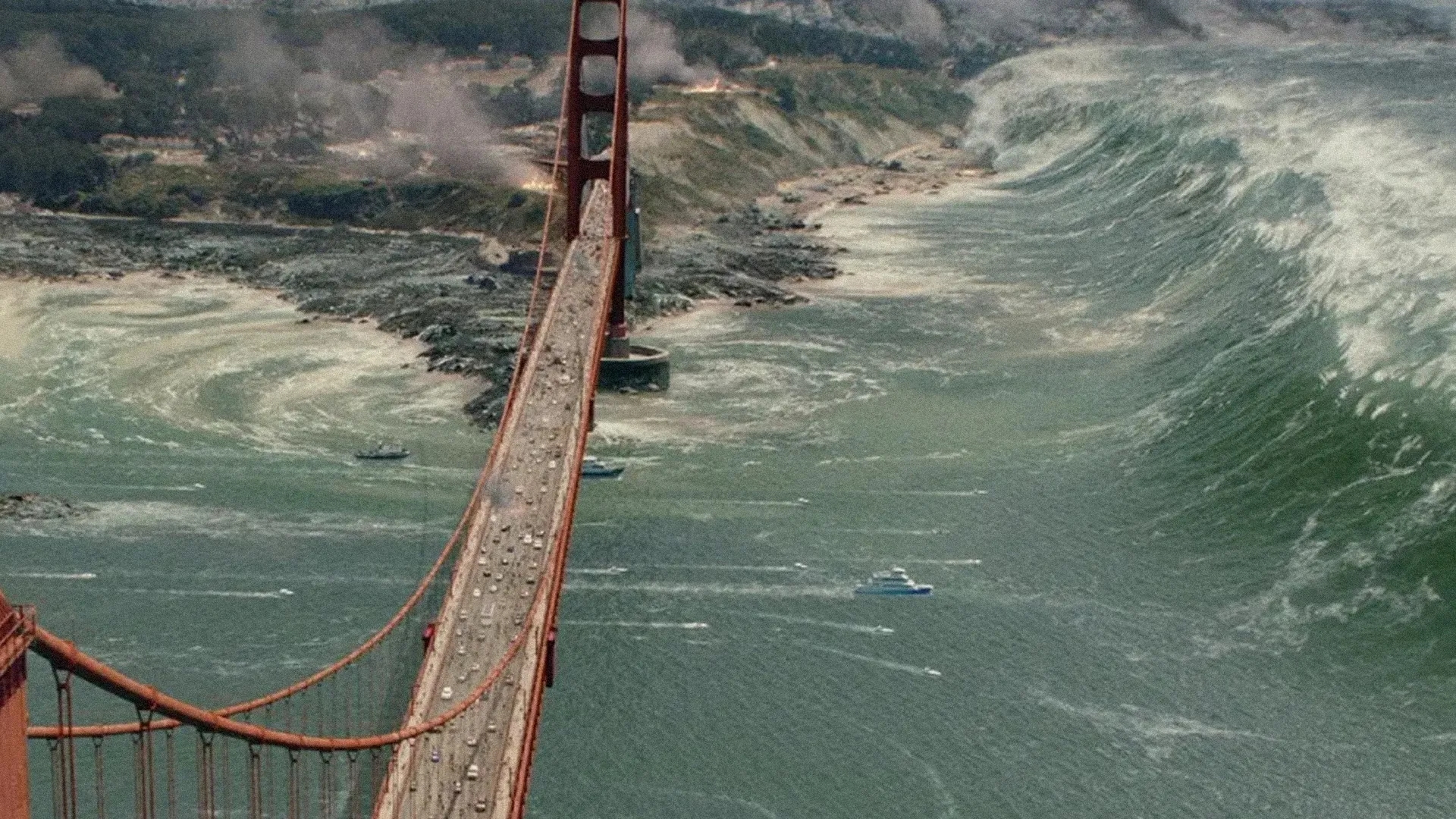
Shot from above using a drone, helicopter, or crane, aerial establishing shots give a bird's-eye view of a location. They are especially effective for showing cities, landscapes, or large-scale environments. Think of nearly any modern action or thriller film and you will find one of these in the opening minutes.
Wide Shot with Landmarks
Rather than going fully aerial, some directors frame a recognizable landmark, like the Eiffel Tower, the New York skyline, or a specific building, to instantly communicate location without any text on screen.
Interior Establishing Shot
Not every establishing shot is outdoors. An interior establishing shot shows the full layout of a room or space before cutting to the characters inside it. This is common in TV shows, where the same sets are used repeatedly and audiences need a quick reminder of the geography.
Re-establishing Shot
This is an establishing shot used mid-scene, not just at the beginning. If a scene has moved around a lot or time has passed, a director might cut back to a wide shot to re-orient the audience. It resets the spatial context.
Real Examples From Famous Films
Citizen Kane (1941)
Orson Welles opens with a mysterious, slow zoom toward a single lit window in a dark, imposing mansion. The establishing shot does not just show a location; it creates dread and curiosity before a single character appears. It is one of the most studied establishing shots in cinema history.
The Shining (1980)
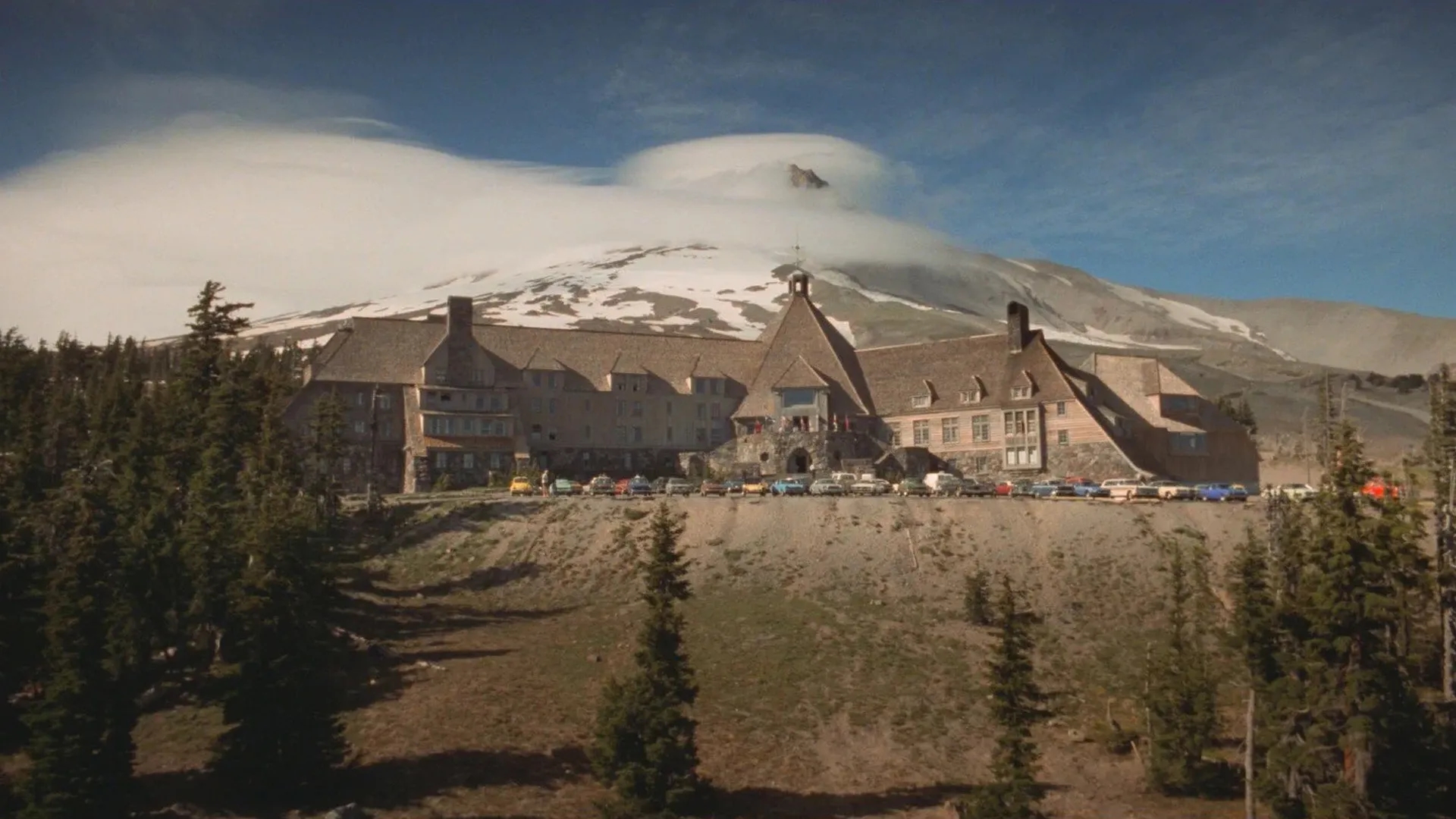
Stanley Kubrick uses a floating aerial shot that follows a car winding through mountain roads toward the Overlook Hotel. The shot is deliberately slow and hypnotic, building unease long before anything frightening happens. The landscape itself becomes a character.
The Grand Budapest Hotel (2014)
Wes Anderson's signature symmetrical framing turns the establishing shot into an art form. His wide, high-angle shot of the hotel's dining room immediately communicates both the geography and the film's whimsical, almost theatrical tone. You know exactly what kind of movie you are watching within seconds.
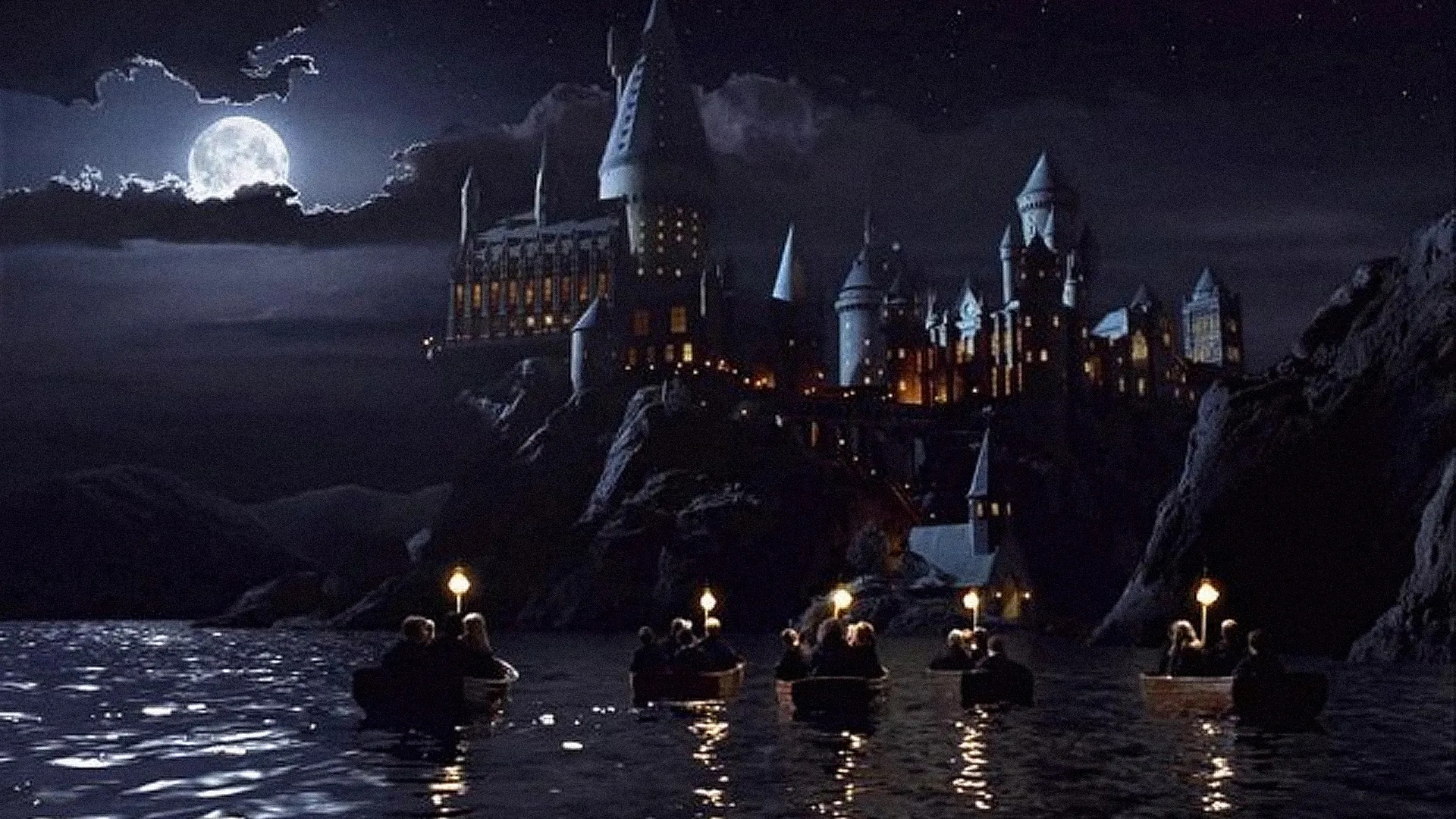
Harry Potter Series (2001-2011)
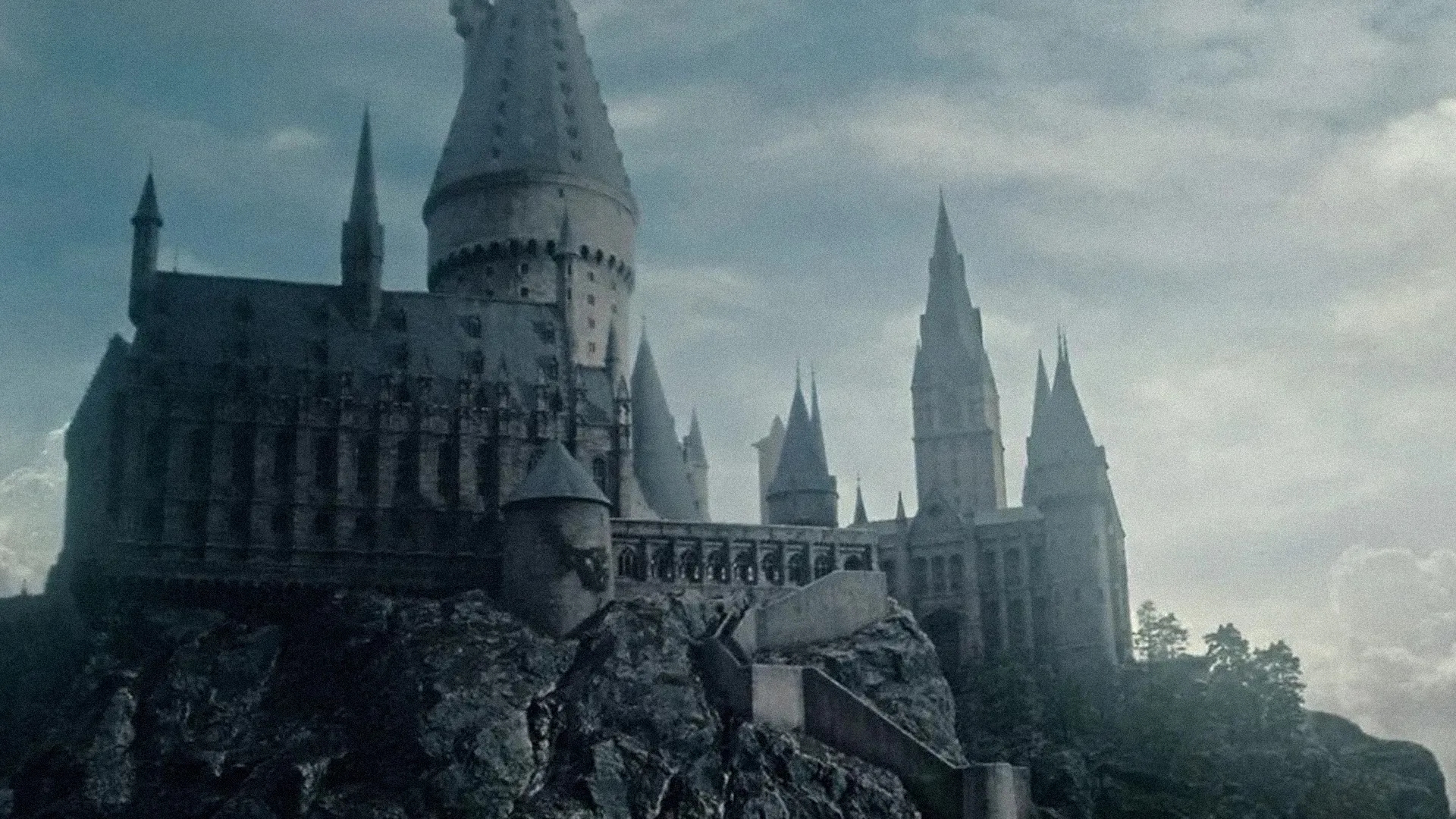
The films repeatedly use wide establishing shots of Hogwarts to signal the passage of time. Snow-covered towers mean winter. Bright green grounds mean spring. The audience never needs a title card because the establishing shot does all the work.
There Will Be Blood (2007)
Paul Thomas Anderson opens with vast, empty mountain landscapes before a single character appears. The establishing shot foreshadows the physical and moral isolation that defines Daniel Plainview's entire journey. It is storytelling through geography.
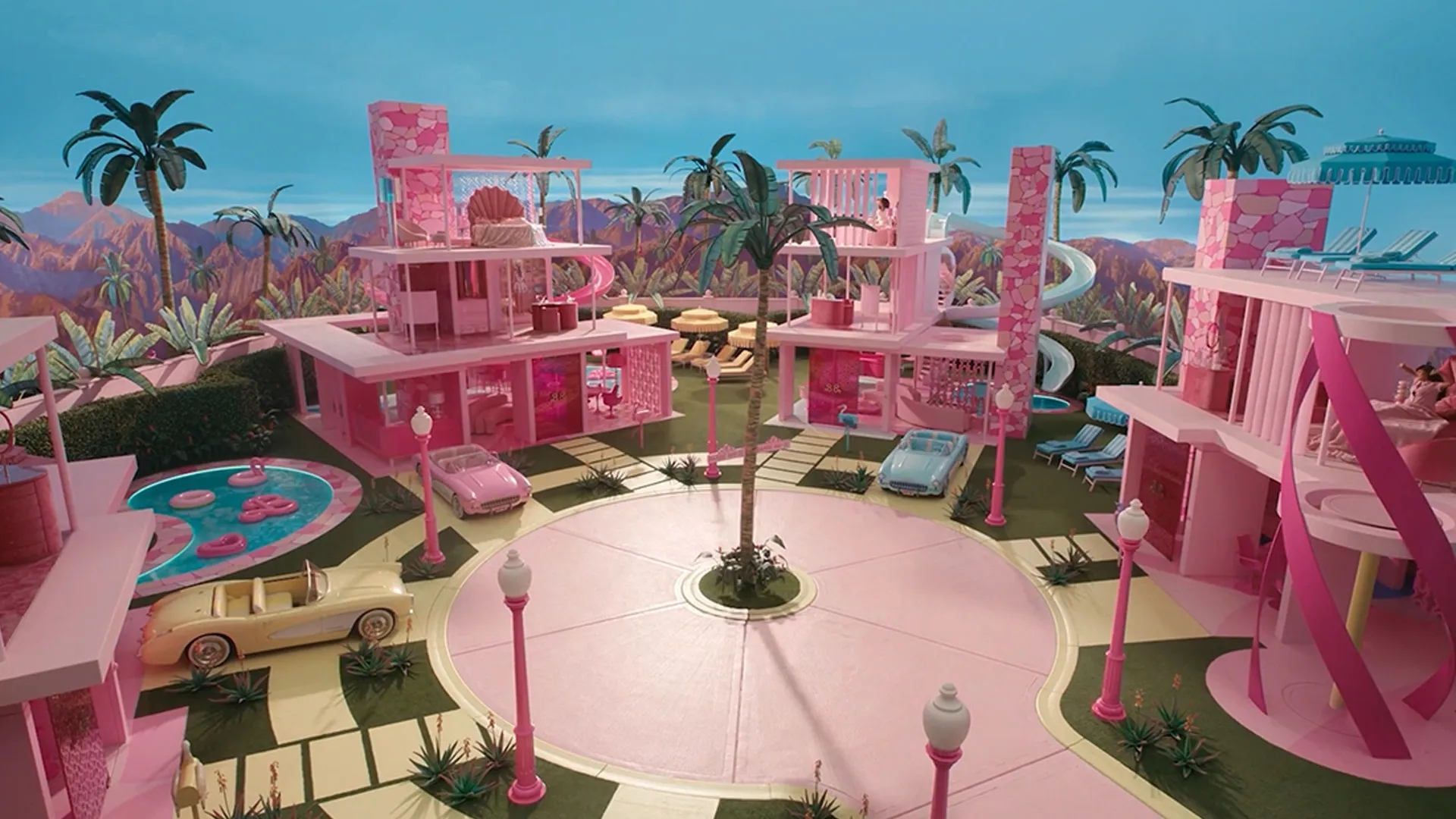
Barbie (2023)
On the opposite end of the spectrum, Greta Gerwig uses bright, oversaturated establishing shots of Barbie Land to immediately signal a world that is deliberately artificial and joyful. The color palette alone tells you everything about the tone.
How to Shoot an Establishing Shot
The good news is that establishing shots are among the most straightforward shots to capture. You do not need complex lighting rigs or actors on set. Here is a simple approach:
1. Choose your framing first. Decide how wide you need to go. Does the audience need to see the whole city block, or just the exterior of a building? The answer depends on what information is essential for the scene.
2. Use a tripod for static shots. A steady, static establishing shot lets the audience absorb the environment without distraction. Movement can be added intentionally, but it should serve a purpose.
3. Think about depth. Using deep focus, where the foreground, midground, and background are all sharp, gives the audience more visual information to absorb. This is especially useful in complex environments.
4. Consider natural light. The time of day you shoot will communicate a lot. Golden hour feels warm and hopeful. Overcast skies feel cold or uncertain. Night shots feel mysterious or dangerous. Let the light do some of the storytelling for you.
5. Use drone or elevated angles for scale. If you want to show how large or isolated a location is, getting the camera up high is one of the fastest ways to communicate that.
6. Hold the shot long enough. A common mistake is cutting away too quickly. Give the audience at least a few seconds to absorb the environment before moving to tighter coverage.
Final Thoughts
An establishing shot is one of the simplest tools in filmmaking, but also one of the most powerful. It orients your audience, sets the emotional tone, and gives every scene that follows a solid foundation to build on.
Whether you are shooting a short film, a YouTube video, or a music video, thinking carefully about your establishing shot is one of the fastest ways to make your work feel more cinematic and professional. It is not just about showing a location. It is about telling your audience how to feel before the story even begins.
If you are working in Adobe Premiere Pro or After Effects and want to add cinematic overlays, transitions, or visual effects that complement your establishing shots, Spotlight FX gives you instant access to professional assets you can drop directly into your timeline.
Frequently Asked Questions
What is an establishing shot?
An establishing shot is a wide or extreme wide shot used at the beginning of a scene to show the audience the location, time of day, and overall mood before cutting to closer shots of characters or action.
What is the purpose of an establishing shot?
The purpose is to orient the audience geographically and emotionally. It answers "where are we?" and "how should we feel about this place?" before the scene begins.
What is an example of an establishing shot?
One of the most famous examples is the opening of "The Shining" (1980), where a slow aerial shot follows a car through mountain roads toward the Overlook Hotel, building tension through landscape alone.
How long should an establishing shot be?
There is no fixed rule, but most establishing shots are held for at least two to five seconds, long enough for the audience to absorb the environment before the edit moves to tighter coverage.
What is the difference between an establishing shot and a wide shot?
All establishing shots are wide shots, but not all wide shots are establishing shots. A wide shot simply describes the framing distance. An establishing shot is a wide shot used specifically to introduce or re-introduce a location at the start of a scene.
Can an establishing shot be used in the middle of a scene?
Yes. When used mid-scene to reset the audience's spatial awareness, it is called a re-establishing shot. Directors use these after a lot of coverage cuts or when time has passed within the scene.
Related Posts
 Video Editing
What is Chromatic Aberration in Games? Everything You Need to Know

 Video Editing