What is a Low Angle Shot? Low Angle Photography and Filmmaking Explained

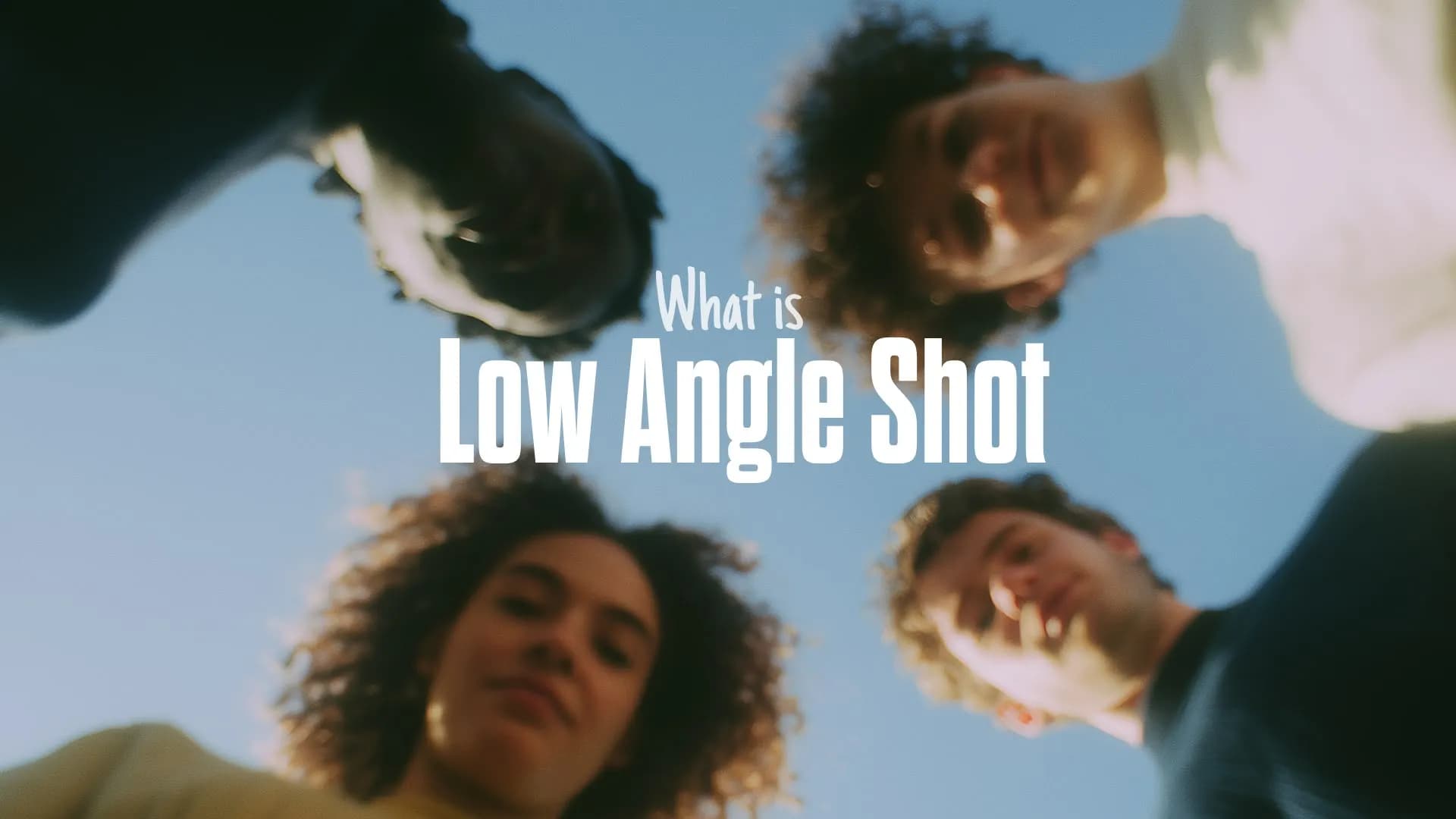
Table of Contents
- Why Low Angle Shots Matter in Storytelling
- How a Low Angle Shot Works
- Types of Low Angle Shots
- Low Angle Shot vs. High Angle Shot
- Famous Low Angle Shot Examples in Movies
- How to Use Low Angle Shots in Your Own Videos
- Final Thoughts
- Frequently Asked Questions
- Spotlight FX - Get free transitions, effects and workflow tools
A low angle shot is a camera technique where the camera is positioned below the subject's eye line and tilted upward, making the subject appear larger, more powerful, or more imposing than they actually are.
It is one of the most widely used camera angles in filmmaking, photography, and video production, and for good reason. A single shift in camera height can completely change how an audience feels about a character or a scene.
Why Low Angle Shots Matter in Storytelling
Camera angles are one of the most powerful tools a filmmaker has. They do not just show the audience what is happening. They tell the audience how to feel about it.
A low angle shot, specifically, creates a psychological effect. When the camera looks up at a subject, the viewer is placed in a submissive position. You are looking up at something bigger than you. That feeling of being small, at someone's mercy, or in awe of something is exactly what directors want to trigger.
This is why you will see low angle shots used constantly in superhero films, action movies, and horror. Whether it is Batman standing on a rooftop or a monster towering over a city, the low angle shot is doing the emotional heavy lifting.
Beyond characters, low angle shots also work brilliantly for architecture, landscapes, and objects. A building shot from below can feel threatening or grand. A car shot from the ground can feel fast and aggressive. The angle adds meaning to whatever is in the frame.
How a Low Angle Shot Works
The mechanics are simple. The camera is placed low on the vertical axis, typically anywhere from just below the subject's eye line all the way down to ground level, and it tilts upward toward the subject.
The exact angle can vary quite a bit:
- Slightly below eye level: A subtle low angle that adds authority or importance without being too dramatic.
- Around 45 degrees below: A more noticeable tilt that creates a clear sense of dominance or power.
- Extreme low (near the ground): Sometimes called a worm's eye view, this is the most dramatic version and is often used for monsters, villains, or moments of extreme awe.
The lower the camera goes, the more exaggerated the effect. Combined with a wide-angle lens, the distortion becomes even more pronounced, stretching the subject upward and making them look almost larger than life.
One thing to keep in mind technically: shooting from a very low position often means the background shifts from walls or people to the sky or ceiling. This is actually a deliberate choice many directors make. Orson Welles, for example, famously designed sets in Citizen Kane with ceilings specifically so his low angle shots would have a ceiling in the background, adding to the claustrophobic and oppressive atmosphere of the film.
Types of Low Angle Shots
Not all low angle shots are the same. Here is a breakdown of the main variations:
Standard Low Angle Shot
The camera sits just below the subject's eye line. The effect is subtle but effective. It gives the subject a sense of importance or authority without feeling over the top. This is commonly used for protagonists, leaders, or anyone the audience is meant to respect.
Extreme Low Angle Shot (Worm's Eye View)
The camera is placed very close to the ground, sometimes even pointing almost straight up. This creates a dramatic, almost surreal perspective. It is often used for villains, monsters, or moments of overwhelming power. Think of a giant creature stomping through a city, shot from the ground up.
Low Angle Close-Up
A low angle combined with a close-up shot focuses on a character's face or upper body from below. This is particularly effective for conveying menace or intensity. The Joker leaning into the camera from a low angle is a completely different emotional experience than the same shot at eye level.
Low Angle Wide Shot
Combining a low angle with a wide shot captures both the subject and the environment around them. This is great for establishing scale, like showing a skyscraper from street level or a hero standing against a dramatic sky.
Low Angle Shot vs. High Angle Shot
These two angles are essentially opposites, and understanding the difference is key to using them intentionally.
Low Angle Shot | High Angle Shot | |
|---|---|---|
Camera Position | Below the subject, tilting up | Above the subject, tilting down |
Subject Feels | Powerful, dominant, heroic, threatening | Vulnerable, weak, small, helpless |
Viewer Feels | Small, submissive, in awe | Dominant, observational, detached |
Common Uses | Heroes, villains, scale, authority | Victims, overview shots, isolation |
A high angle shot does the opposite of a low angle shot. When the camera looks down at a character, that character feels diminished. Horror films use this constantly to make victims feel helpless before something bad happens to them.
Many directors deliberately switch between the two within the same scene to show a shift in power. A character who starts the scene shot from a high angle (weak, cornered) and ends it shot from a low angle (victorious, in control) tells a complete story through camera position alone, without a single line of dialogue.
Famous Low Angle Shot Examples in Movies
Citizen Kane (1941)
Orson Welles used low angle shots more extensively than almost any filmmaker before him. The entire visual language of the film is built around making Charles Foster Kane feel like a towering, almost mythological figure. Welles even had ceilings built into the sets so the low angle shots would have something to frame against, which was almost unheard of at the time.
Psycho (1960)
Alfred Hitchcock used a low angle shot on the Bates Motel itself, turning a building into a character. The motel looms over the viewer, giving it a threatening, almost alive quality before anything sinister has even happened. It is a masterclass in using camera angle to build dread.
Bad Boys (1995)
Michael Bay's signature move is a low angle 360-degree shot circling the heroes. It is almost a parody of itself at this point, but it works. The camera swings around Will Smith and Martin Lawrence from below, placing them on a pedestal and making them feel like the coolest people in the room.
Home Alone (1990)
The burglars Harry and Marv are frequently shot from low angles during their confrontations with Kevin. Even though they are the villains, the low angle makes them feel genuinely threatening, which is important for the film to work. If they just looked like bumbling idiots from every angle, the tension would disappear entirely.
Nosferatu (1922)
One of the earliest and most effective uses of the low angle shot in cinema. The vampire's towering, shadow-casting presence is amplified entirely by camera placement. This film essentially wrote the rulebook for how horror uses low angles to create menace, and filmmakers have been following it ever since.
How to Use Low Angle Shots in Your Own Videos
You do not need a Hollywood budget to use low angle shots effectively. Here are some practical ways to apply this technique:
For YouTube videos and vlogs: Placing your camera slightly below eye level rather than at eye level immediately makes you look more authoritative and engaging on camera. It is a small adjustment that makes a noticeable difference.
For action or sports content: Get low and shoot upward to make movement feel more dynamic and powerful. A skateboarder or athlete shot from below looks far more impressive than the same shot at eye level.
For product videos: Shooting a product from a low angle makes it feel premium and desirable. Car commercials do this constantly for a reason.
For short films and narrative content: Use low angles deliberately to signal to your audience who has power in a scene. Save the extreme low angles for your most dramatic moments so they land with full impact.
For photography: Low angle photography works especially well for architecture, street photography, and portraits. Getting down to ground level and shooting upward creates images that feel dynamic and unusual because it is not the perspective people naturally see the world from.
Final Thoughts
A low angle shot is a camera positioned below the subject's eye line, tilting upward to make the subject appear powerful, dominant, or larger than life. It is one of the most expressive tools in filmmaking and photography, and it costs nothing to use.
The key is intentionality. Every time you place your camera low and point it upward, you are making a statement about the subject in the frame. Used well, it can turn an ordinary scene into something cinematic. Used carelessly, it just looks like you forgot to adjust your tripod.
Study how directors like Orson Welles, Alfred Hitchcock, and Christopher Nolan use low angle shots in context, and start experimenting with your own footage. The difference between a flat, lifeless shot and one that feels genuinely cinematic is often just a matter of where you put the camera.
Frequently Asked Questions
What is a low angle shot?
A low angle shot is a filmmaking and photography technique where the camera is placed below the subject's eye line and tilted upward. This makes the subject appear larger, more powerful, or more imposing to the viewer.
What is the effect of a low angle shot?
Low angle shots make subjects feel dominant, heroic, threatening, or larger than life. They place the viewer in a psychologically submissive position, looking up at the subject, which creates feelings of awe, fear, or admiration depending on the context.
What is the difference between a low angle shot and a high angle shot?
A low angle shot looks up at the subject, making them feel powerful. A high angle shot looks down at the subject, making them feel vulnerable or small. Directors often use both within the same scene to show shifts in power between characters.
What is a worm's eye view?
A worm's eye view is an extreme version of the low angle shot where the camera is placed very close to the ground and points almost straight up. It creates a dramatic, exaggerated perspective often used for monsters, villains, or moments of overwhelming scale.
What are some famous examples of low angle shots in movies?
Some of the most iconic examples include Citizen Kane (1941), Psycho (1960), The Dark Knight (2008), Bad Boys (1995), Home Alone (1990), and Nosferatu (1922). Each uses the low angle shot to create a specific emotional effect tied to power, menace, or heroism.
How do I use low angle shots in my own videos?
Place your camera below your subject's eye line and tilt it upward. For YouTube or vlogs, even a slight downward tilt of the camera toward you can add authority. For narrative content, use low angles deliberately to signal which characters hold power in a scene.
Related Posts
 Video Editing
What are Walkie Talkie Codes? A Complete Guide for Film and Video Crews
 Video Editing