Different Camera Angles Explained: A Beginner's Guide to Filmmaking

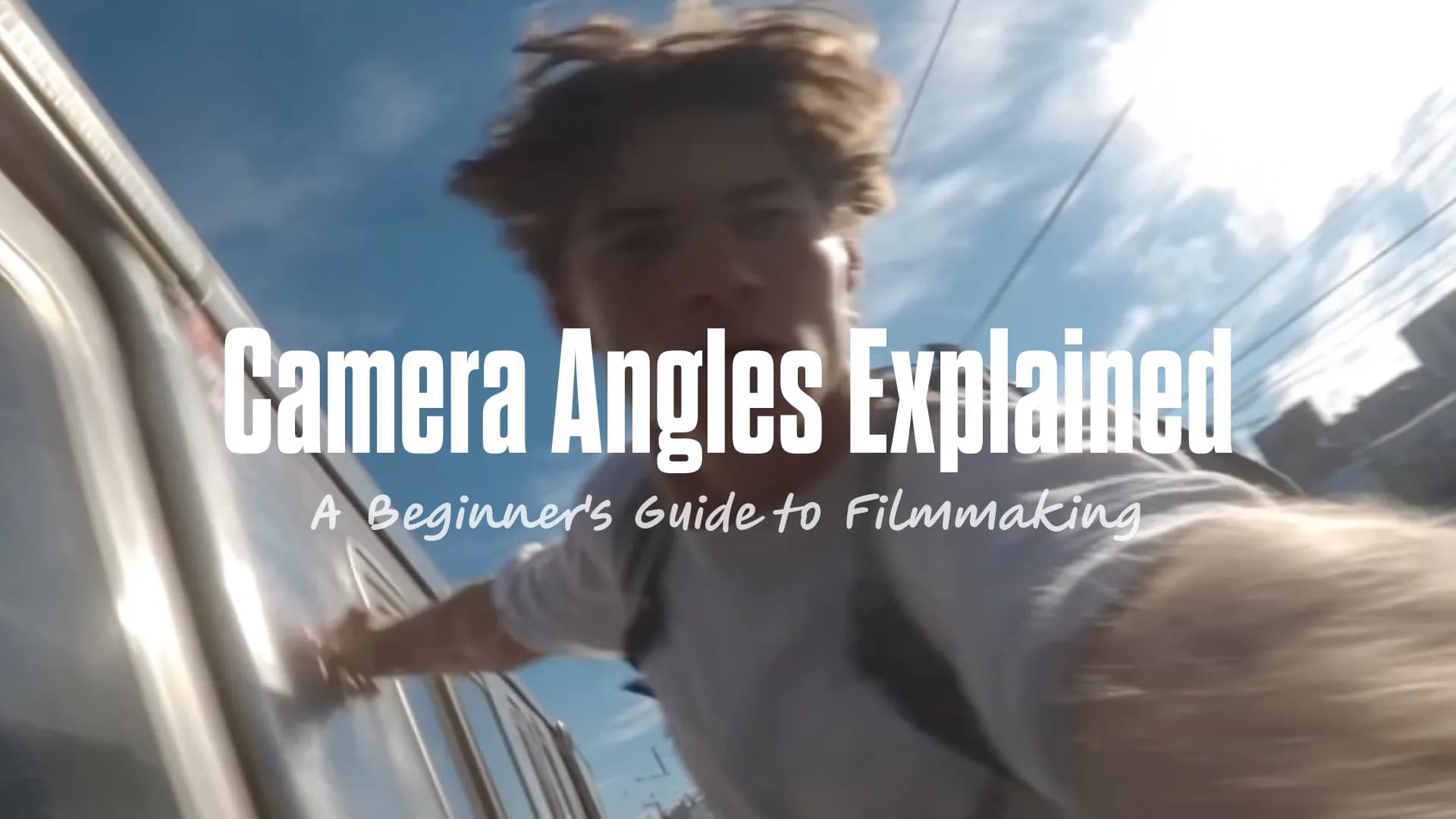
Table of Contents
You've probably watched a movie and felt something without knowing why. A villain walks into the room and suddenly feels terrifying. A character stands alone in a crowd and you feel their loneliness instantly. A chase scene makes your heart race even though you're just sitting on your couch.
A big part of that is camera angles.
Camera angles are one of the most powerful tools a filmmaker has. They shape how you feel about a character, a scene, or a moment, often without you even noticing. And the good news? You don't need years of film school to understand them.
What Are Camera Angles?
A camera angle refers to the position of the camera in relation to the subject being filmed. More specifically, it's about the height and tilt of the camera, not just where it's placed in the room.
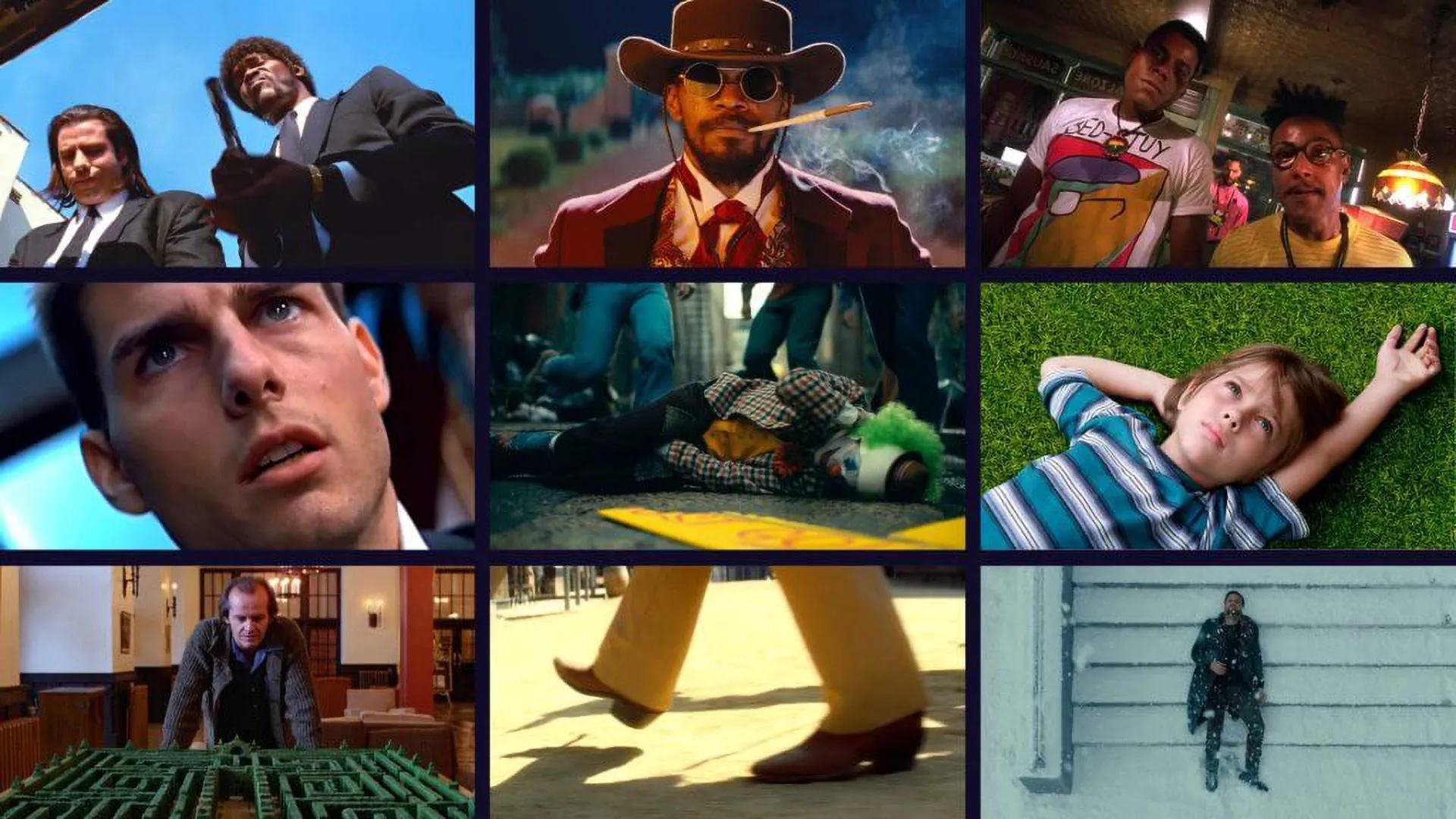
Camera angles answer the question: Where is the camera looking from, and what does that make the viewer feel?
They're different from shot sizes (like a close-up or wide shot), which describe how much of the subject is in the frame. Angles and shot sizes often work together, but they're separate concepts. For example, you can have a low-angle close-up or a high-angle wide shot. Both elements combine to create a specific feeling.
Understanding camera angles is one of the first steps to thinking like a filmmaker, not just a camera operator.
Why Do Camera Angles Matter?
Every angle sends a message. Filmmakers use them intentionally to guide how the audience perceives a character or situation.
Here's a simple way to think about it:
- Looking up at someone makes them feel powerful
- Looking down at someone makes them feel small or vulnerable
- Looking straight at someone feels neutral and relatable
- Tilting the camera sideways creates unease or tension
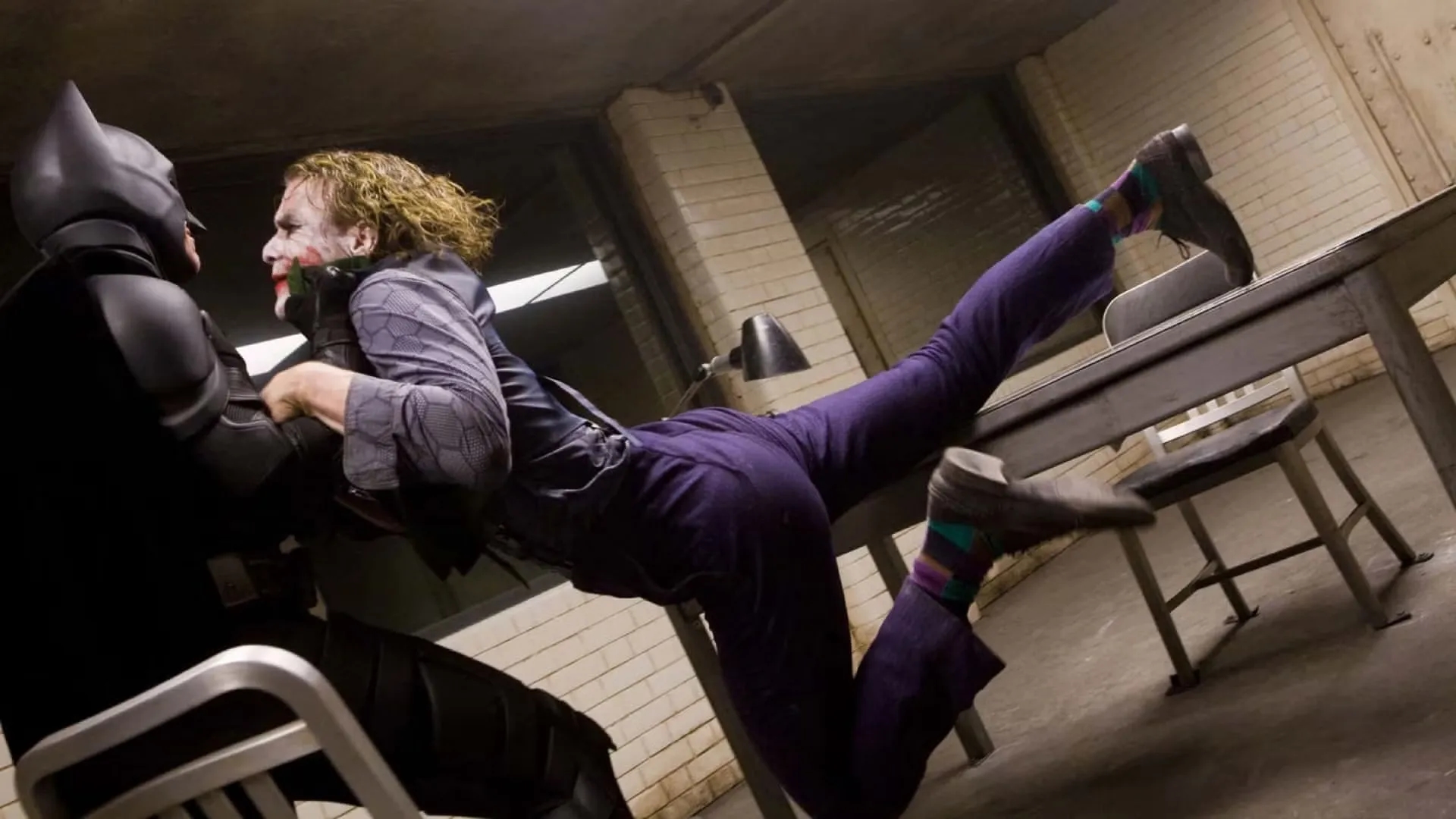
These aren't random choices. Directors, cinematographers, and editors think carefully about every angle because it directly affects the story being told. When you start recognizing these patterns, you'll never watch a film the same way again.
The Main Camera Angles in Film
Eye-Level Angle
The eye-level shot is exactly what it sounds like. The camera is placed at the same height as the subject's eyes, mimicking the natural human perspective.
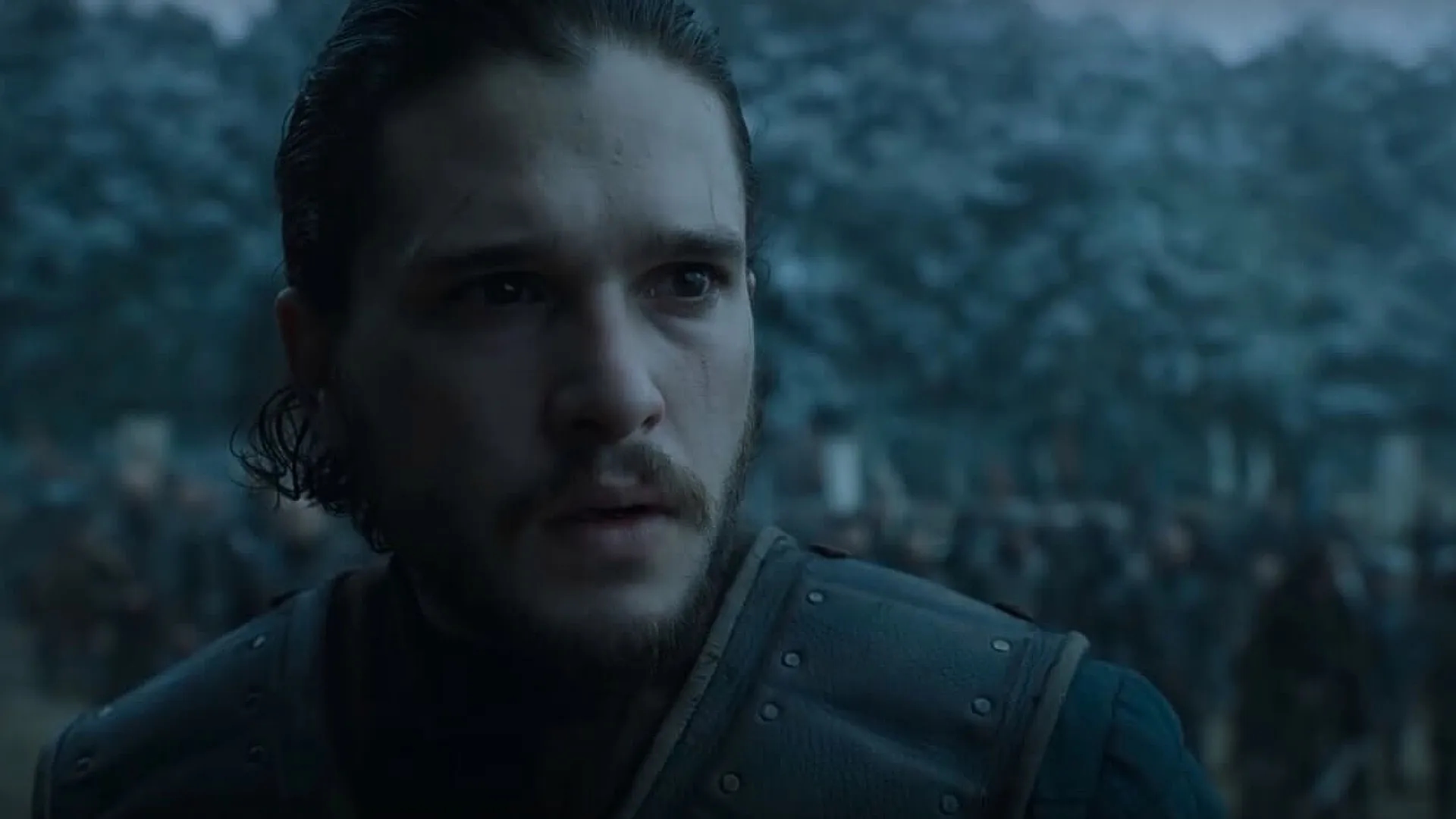
What it communicates: Neutrality, relatability, equality. There's no power dynamic being pushed on the viewer. You're simply seeing the world as the character sees it.
When filmmakers use it: Everyday conversations, scenes where no character has an obvious advantage, or moments where the director wants the audience to connect with a character on equal footing.
Film example: Most standard dialogue scenes use eye-level shots. Think of any casual conversation between two characters in a drama. The camera sits at eye height so you feel like you're in the room with them.
This is the most common angle in filmmaking, and for good reason. It's the baseline. Everything else is a deviation from it, used to create a specific effect.
High-Angle Shot
In a high-angle shot, the camera is positioned above the subject and looks down at them.
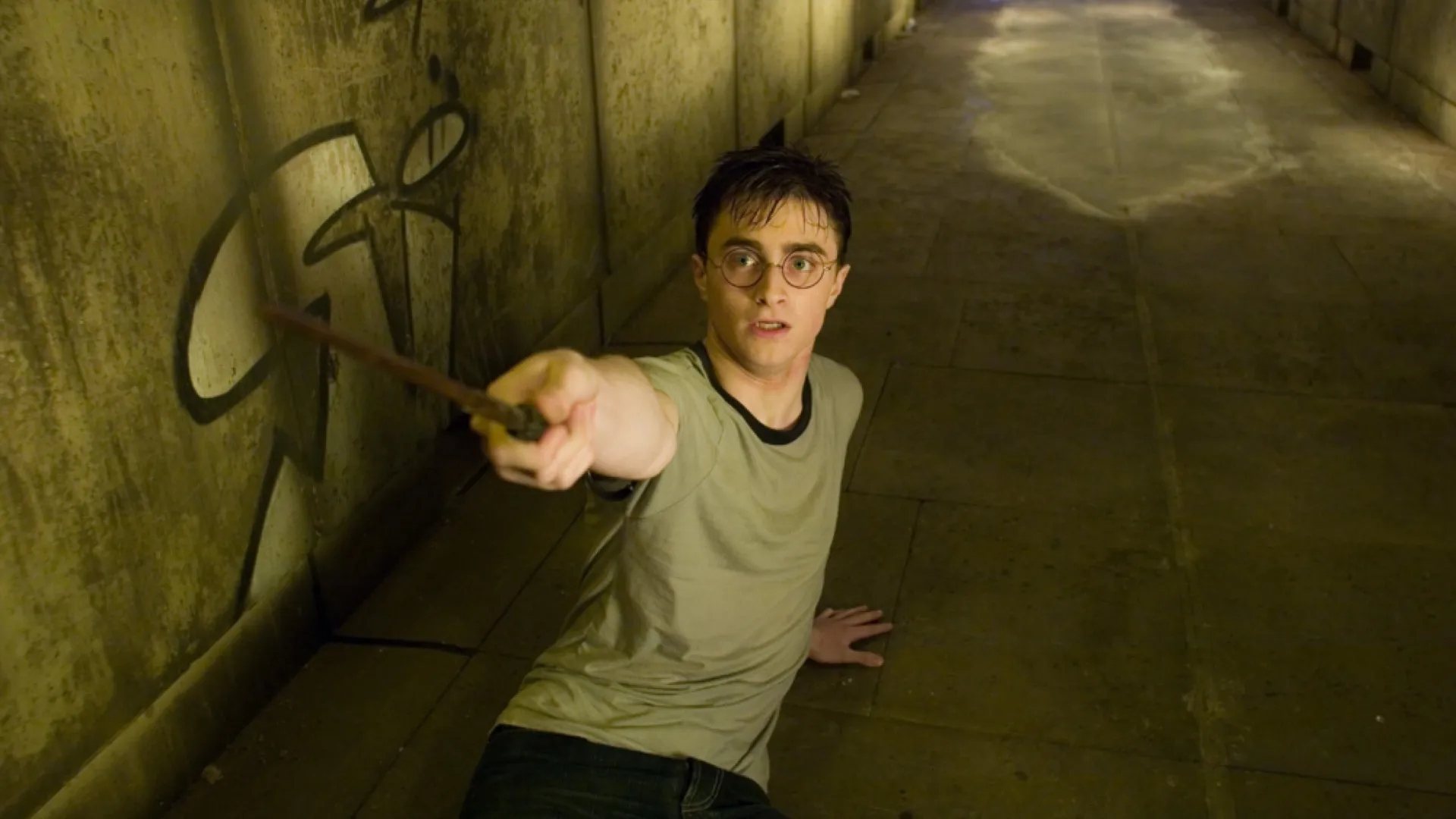
What it communicates: Weakness, vulnerability, smallness, or inferiority. When you look down at someone, they appear less powerful. It can also be used to show a character who is overwhelmed, lost, or in danger.
When filmmakers use it: Horror films use this to make victims look helpless. Coming-of-age stories use it to show a young character feeling out of place. It's also used in action sequences to give the audience a sense of scale.
Film example: In many superhero films, high-angle shots are used on ordinary characters during moments of chaos to show just how overwhelming the situation is. The camera looking down reinforces that they have no control.
A subtle version of this is the overhead shot, where the camera is directly above the subject, looking straight down. This is often used to show isolation or to create a visually striking composition.
Low-Angle Shot
The opposite of the high-angle shot. Here, the camera is placed below the subject and looks up at them.
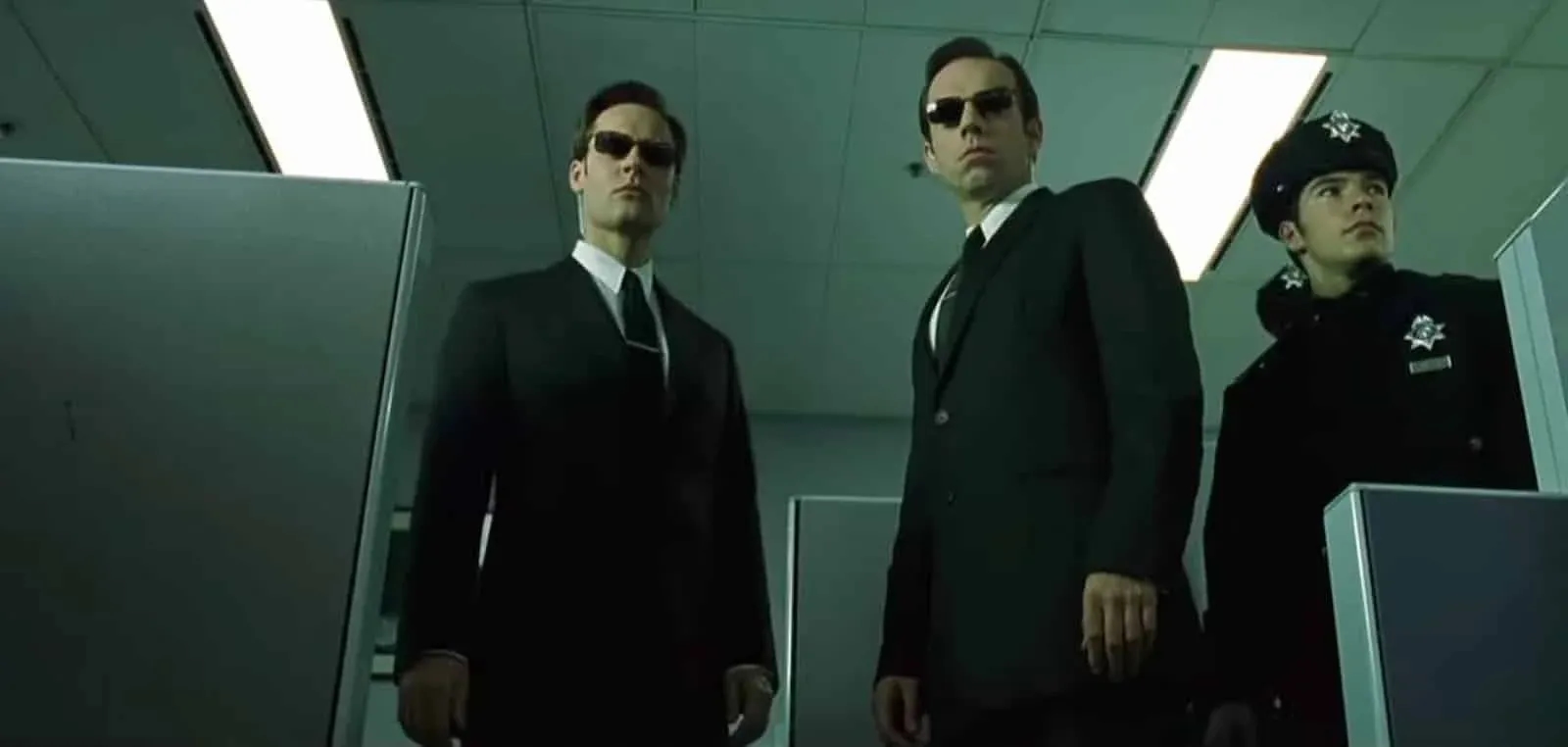
What it communicates: Power, dominance, strength, intimidation. When you look up at someone, they appear larger and more imposing. This angle is a favorite for villains, heroes in their strongest moments, and anyone the director wants you to take seriously.
When filmmakers use it: Villain introductions, moments of triumph, scenes where a character is asserting authority.
Film example: Darth Vader in The Empire Strikes Back is frequently shot from a low angle. The camera looks up at him, making him feel massive and unstoppable. It's a simple trick, but it works every single time.
Low-angle shots can also be used ironically. If you shoot a character from a low angle but they're clearly not in control of the situation, it creates an interesting tension between what the angle suggests and what's actually happening.
Dutch Angle (Dutch Tilt)
The Dutch angle, also called the Dutch tilt or canted angle, is when the camera is tilted sideways so the horizon line is no longer straight. The frame feels off-balance.
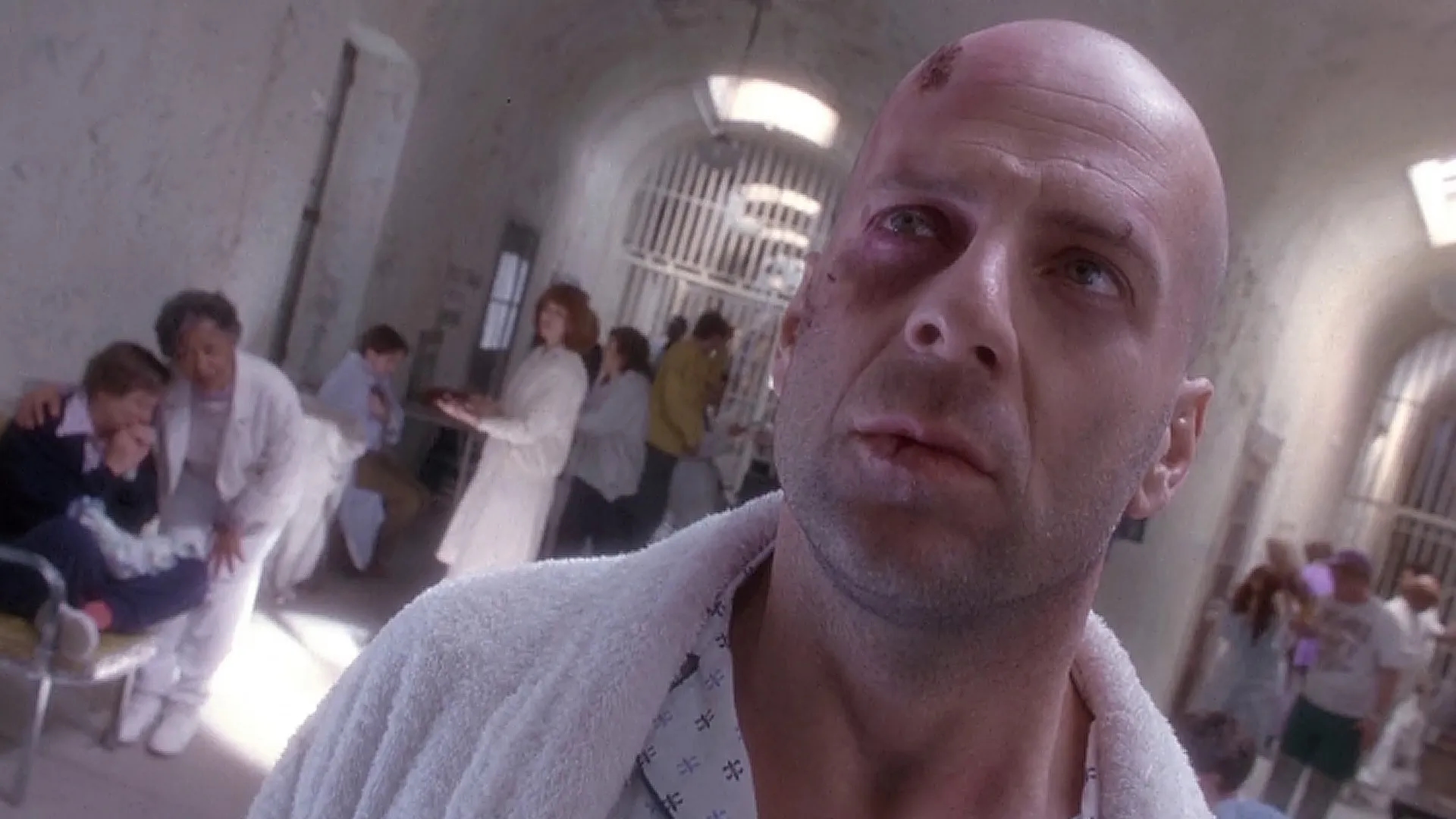
What it communicates: Disorientation, psychological tension, unease, instability. Something is wrong. The world is off. This angle is a visual cue that tells the audience to feel uncomfortable.
When filmmakers use it: Thrillers, horror films, psychological dramas, or any scene where a character's mental state is deteriorating. It's also used in action sequences to add chaos and energy.
Film example: The Dutch angle is used heavily in horror films during moments of dread. It's also a staple of villain scenes in older Batman adaptations, where nearly every shot of the villains uses a Dutch tilt to signal that they're unhinged.
Beginner tip: Use this angle sparingly. If every shot is tilted, the effect loses its power. The Dutch angle works best when it contrasts with the normal, level shots around it.
Point-of-View (POV) Shot
A POV shot places the camera exactly where a character's eyes would be. The viewer sees what the character sees, as if they are that character.
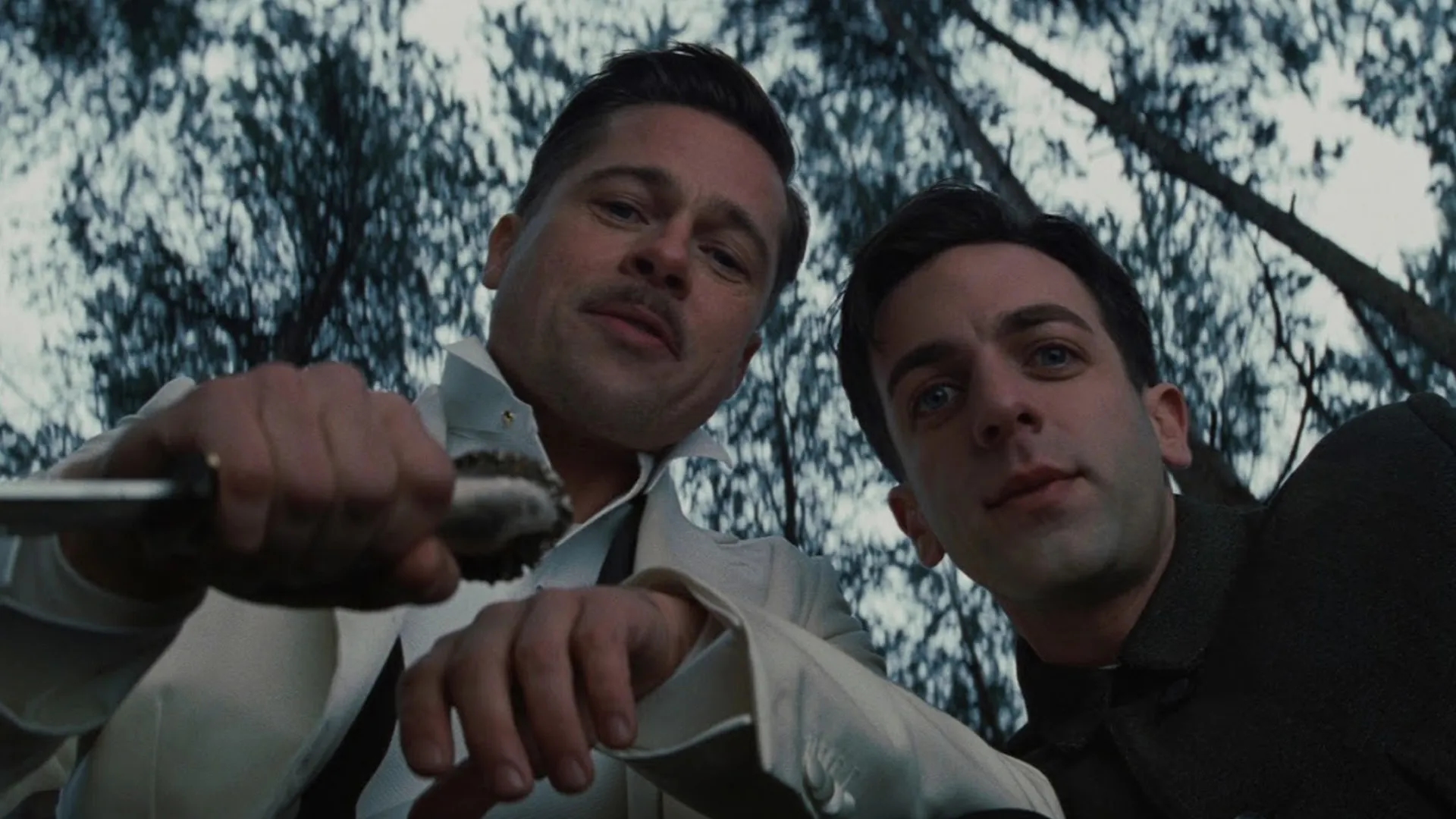
What it communicates: Immersion, subjectivity, intimacy. You're not watching the character anymore. You are the character.
When filmmakers use it: Horror films use POV shots to put you in the shoes of either the victim or the threat. Action films use them during intense sequences to make you feel the adrenaline. They're also used in quieter moments to create a deep emotional connection.
Film example: The opening sequence of Halloween (1978) is one of the most famous POV shots in film history. The entire scene is shot from the killer's perspective, which creates an unbearable sense of dread before you even know what's happening.
Over-the-Shoulder Shot
In an over-the-shoulder shot, the camera is placed behind one character, looking over their shoulder at the character they're talking to. You can see part of the first character's head and shoulder in the foreground.
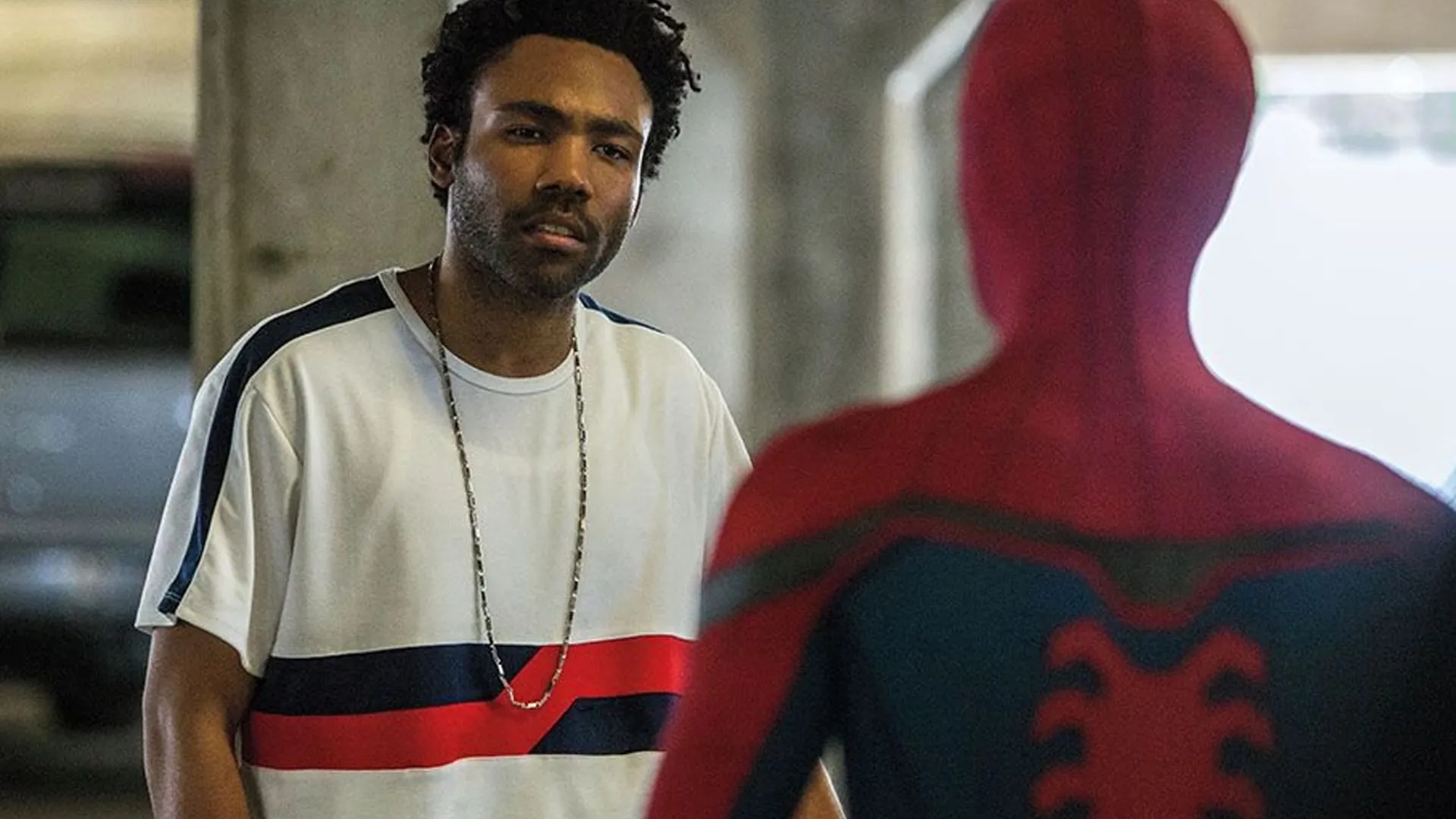
What it communicates: Relationship, spatial awareness, tension between two characters. It keeps both people in the frame and reminds the viewer that this is a two-sided conversation.
When filmmakers use it: Almost every dialogue scene in film history uses over-the-shoulder shots. They're the bread and butter of conversation filming. The angle can shift subtly depending on who has more power in the scene.
Film example: Interrogation scenes are a great place to spot this. The camera cuts between over-the-shoulder shots of the detective and the suspect, building tension with each exchange.
Bird's-Eye View (Overhead Shot)
The bird's-eye view is an extreme version of the high-angle shot. The camera is positioned directly above the subject, looking straight down at a 90-degree angle.
-qu8kg5.webp&w=3840&q=100)
What it communicates: Scale, isolation, a god-like perspective. Characters look small and insignificant. It can also be used to create visually striking, almost abstract compositions.
When filmmakers use it: Establishing shots of large environments, moments of extreme isolation, or artistic sequences where the director wants to create a unique visual.
Film example: Blade Runner uses overhead shots to establish the massive scale of its dystopian cityscape. The characters below feel tiny against the world around them, which reinforces the themes of the film.
Aerial Shot
An aerial shot is captured from a high elevation, typically using a drone, helicopter, or crane. Unlike the bird's-eye view, aerial shots aren't always looking straight down. They can be angled to show a sweeping view of a landscape or environment.
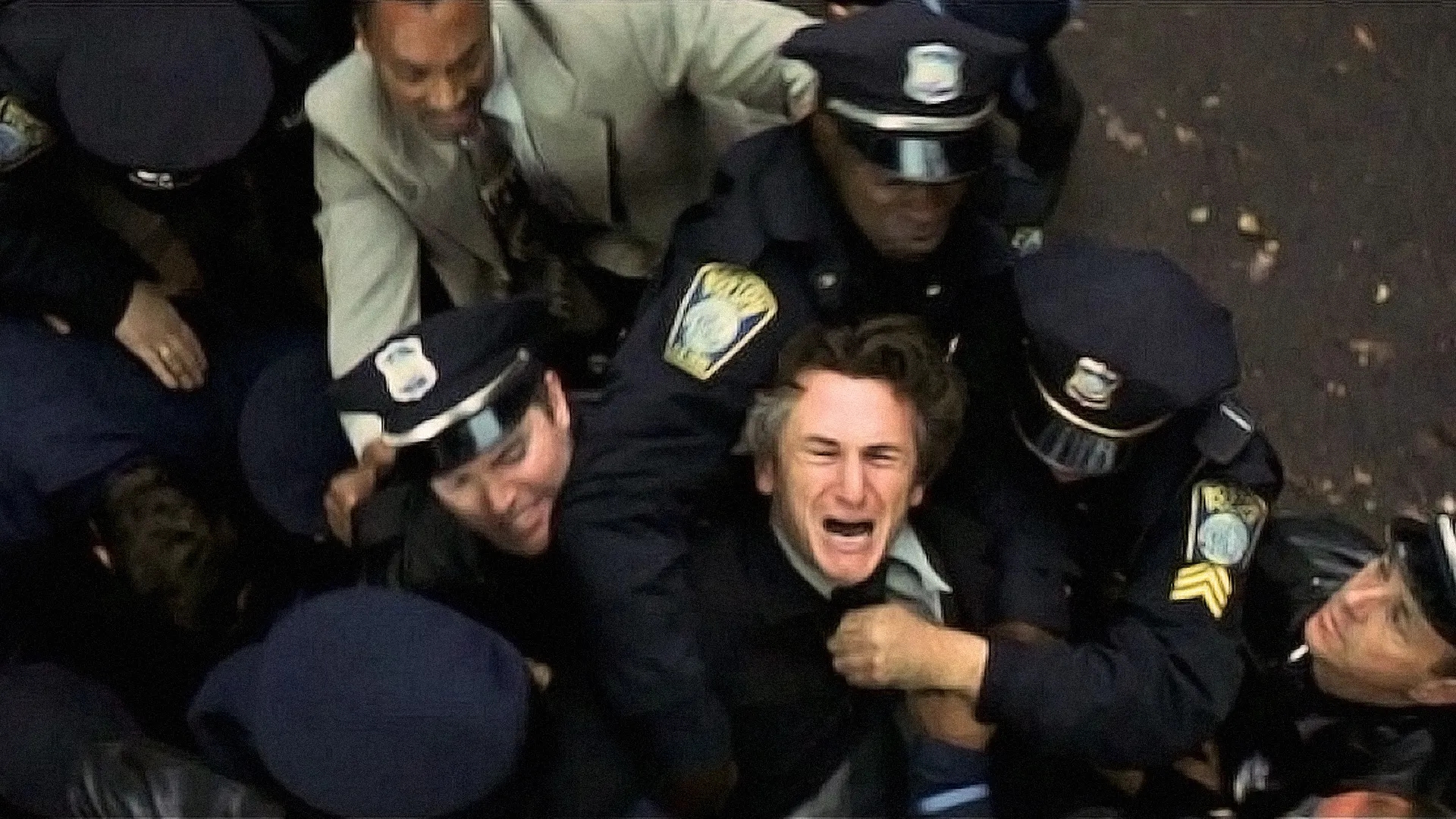
What it communicates: Grandeur, scale, context. Aerial shots are often used to establish a sense of place or to show the epic scope of a story.
When filmmakers use it: Opening sequences, establishing shots of new locations, or emotional moments where the camera pulls back to show a character in the context of the larger world.
Film example: Many war films and epic dramas use aerial shots to establish battlefields or vast landscapes before cutting into the action. It's a way of saying, "Here's the world. Now let's zoom in."
Ground-Level Shot
As the name suggests, the camera is placed at or near the ground, looking up or across at the subject.
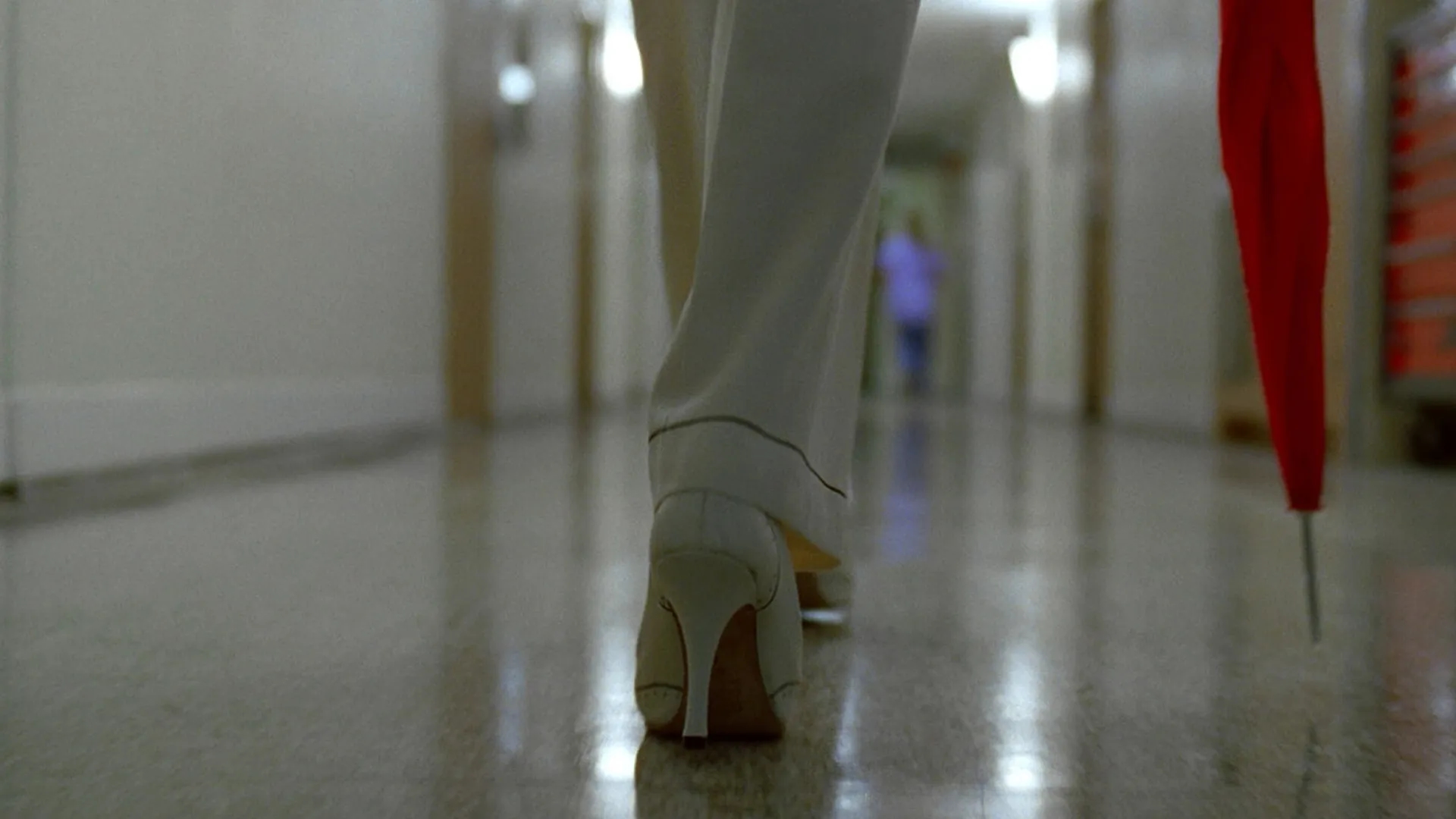
What it communicates: Grit, rawness, intensity. Ground-level shots put the viewer in an unusual position that feels visceral and immediate.
When filmmakers use it: War films, action sequences, or any scene that needs to feel grounded and real.
Film example: Full Metal Jacket uses ground-level shots during its intense sequences to create a sense of chaos and physical danger. You feel like you're crawling through the scene alongside the characters.
How Camera Angles Work Together
No single angle tells the whole story on its own. The real magic happens when angles are combined thoughtfully throughout a scene.
Here's a simple example: Imagine two characters having an argument.
- The scene starts with eye-level shots of both characters. They're on equal footing.
- As one character gains the upper hand, the camera shifts to a low-angle shot of them and a high-angle shot of the other.
- At the peak of the conflict, a Dutch angle creeps in to signal that something is about to break.
That's storytelling through camera angles. No dialogue needed.
When you're editing or shooting your own videos, think about what each angle is saying. Ask yourself: what do I want the viewer to feel right now? Then choose the angle that communicates that feeling.
Quick Reference: Camera Angles at a Glance
Angle | Camera Position | What It Communicates |
|---|---|---|
Eye-Level | At subject's eye height | Neutral, relatable, equal |
High-Angle | Above, looking down | Weakness, vulnerability, smallness |
Low-Angle | Below, looking up | Power, dominance, strength |
Dutch Angle | Tilted sideways | Disorientation, tension, unease |
POV Shot | From character's eyes | Immersion, subjectivity |
Over-the-Shoulder | Behind one character | Relationship, dialogue tension |
Bird's-Eye View | Directly above, 90 degrees | Scale, isolation, god-like perspective |
Aerial Shot | High elevation, sweeping | Grandeur, context, epic scale |
Ground-Level | At or near the ground | Grit, rawness, intensity |
Tips for Beginners: How to Start Using Camera Angles
You don't need a film crew or expensive gear to start experimenting with camera angles. Here are a few practical tips to get you going:
Start with a tripod. Stability matters. A shaky camera can undermine the effect of any angle. Get your shot steady first, then worry about the angle.
Use eye-level as your baseline. Every other angle is a deviation from eye-level. Start there and only move the camera when you have a reason to.
Match the angle to the emotion. Before you set up a shot, ask yourself: what should the viewer feel here? Let the answer guide your angle choice.
Watch films with intention. Next time you watch a movie, pay attention to where the camera is placed. Notice how angles shift during key moments. You'll start seeing patterns everywhere.
Don't overdo the Dutch tilt. It's tempting to use it constantly because it looks dramatic. But like any effect, it loses its power when overused. Save it for moments that truly need it.
Final Thoughts
Camera angles aren't complicated once you understand the logic behind them. Every angle sends a message, and once you know what that message is, you can use angles intentionally to tell better stories.
Whether you're shooting a short film, a YouTube video, or a music video, these fundamentals apply. The camera is never just a passive observer. It's always saying something. Your job is to make sure it's saying the right thing.
Start simple. Experiment. Watch great films with fresh eyes. And remember: the best angle is always the one that serves the story.
Related Posts
 Video Editing
What is Color Grading vs Color Correction? Everything Editors Need to Know
 Video Editing