What Is a High Angle Shot? Meaning and Examples Explained

Table of Contents
- Why the High Angle Shot Matters in Storytelling
- How a High Angle Shot Works
- Types of High Angle Shots
- High Angle Shot vs. Low Angle Shot
- Famous High Angle Shot Examples in Film
- How to Use High Angle Shots in Your Own Videos or Photos
- Final Thoughts
- Frequently Asked Questions
- Spotlight FX - Get free transitions, effects and workflow tools
A high angle shot is a camera technique where the camera is positioned above the subject's eye level and angled downward, making the subject appear smaller, weaker, or more vulnerable. It is one of the most widely used tools in both filmmaking and photography to communicate power dynamics, emotion, and scale without a single word of dialogue.
Why the High Angle Shot Matters in Storytelling
Camera angles are one of the most powerful and underrated tools a filmmaker or photographer has. They shape how the audience feels about a subject before a single line of dialogue is spoken.
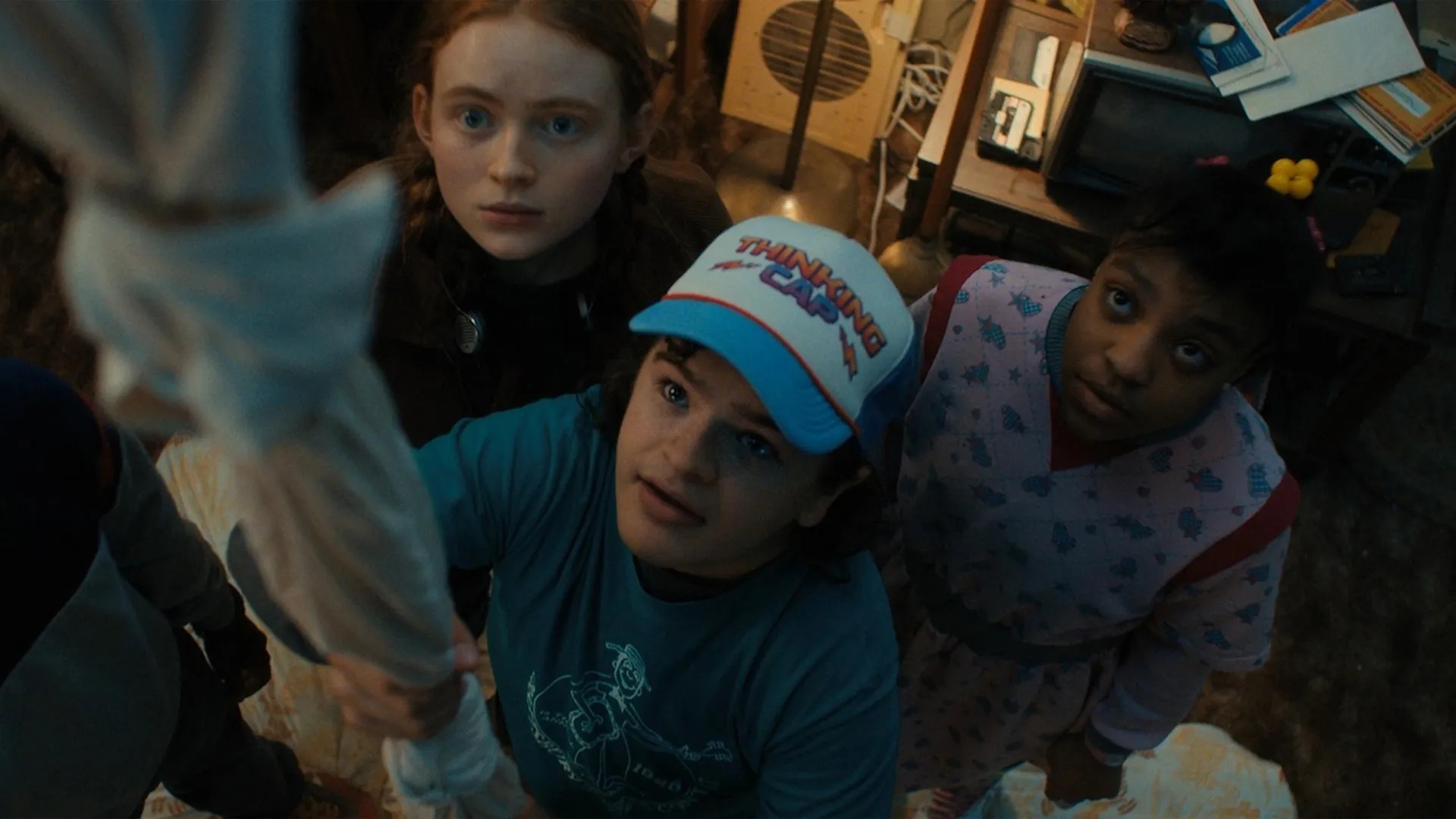
The high angle shot, in particular, carries a very specific emotional weight. When a camera looks down on a subject, it subtly communicates that the subject is small, exposed, or at a disadvantage. Audiences pick up on this instinctively, even if they are not consciously aware of it. That is what makes it such a reliable storytelling device.
Beyond emotion, high angle shots also serve a practical purpose. They give the viewer a broader sense of space, scale, and geography. A battlefield, a crowd, a city block, all of these become far more readable when seen from above. This is why directors return to this technique again and again, whether they are building tension in a thriller or establishing the scope of an epic.
How a High Angle Shot Works
The mechanics are straightforward. The camera is placed above the subject's eye line and tilted downward at varying degrees. The angle can be subtle (just slightly above eye level) or extreme (directly overhead, also called a bird's-eye view).
What changes with the angle is the psychological effect:
- A shallow high angle creates a mild sense of observation or slight vulnerability. It is often used in dialogue scenes to show that one character holds more power than another.
- A steep high angle creates a stronger sense of exposure, isolation, or insignificance. The subject appears dwarfed by their surroundings.
- A bird's-eye view (90 degrees) removes the subject from their environment almost entirely, turning them into a small element within a larger pattern or landscape.
Directors achieve these shots using cranes, drones, boom arms, ladders, elevated platforms, or by simply raising the camera above their head. The choice of tool depends on the height needed and the movement required.
Types of High Angle Shots
Not all high angle shots are the same. Here is a breakdown of the main variations:
Standard High Angle Shot
The camera sits above the subject at roughly a 30 to 60 degree downward angle. This is the most common version and is used to suggest vulnerability, weakness, or a power imbalance between characters.
Overhead Shot
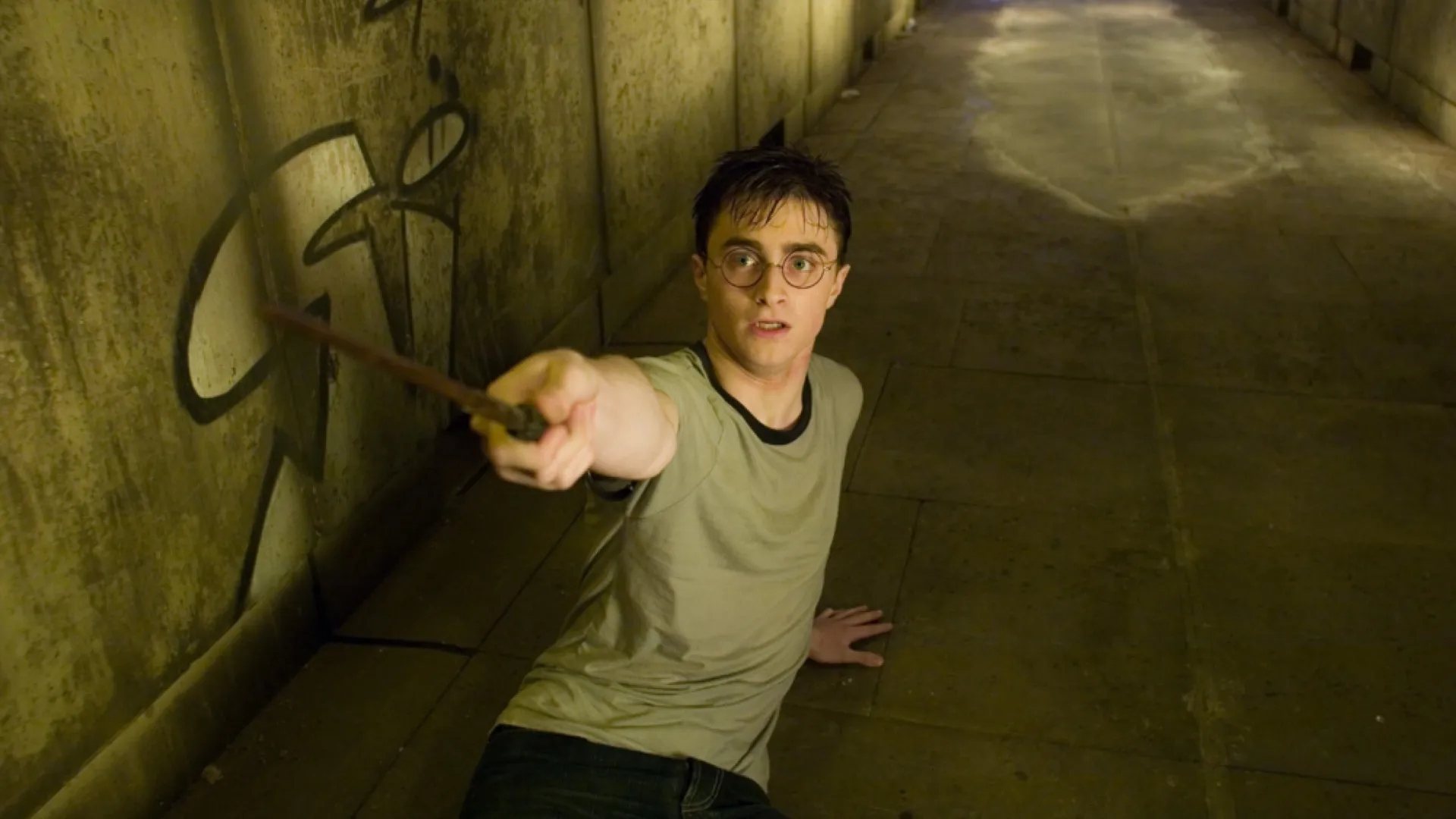
The camera is positioned directly above the scene but not at a full 90 degrees. It gives a strong sense of scale and is often used to show spatial relationships between characters or objects.
Bird's-Eye View Shot
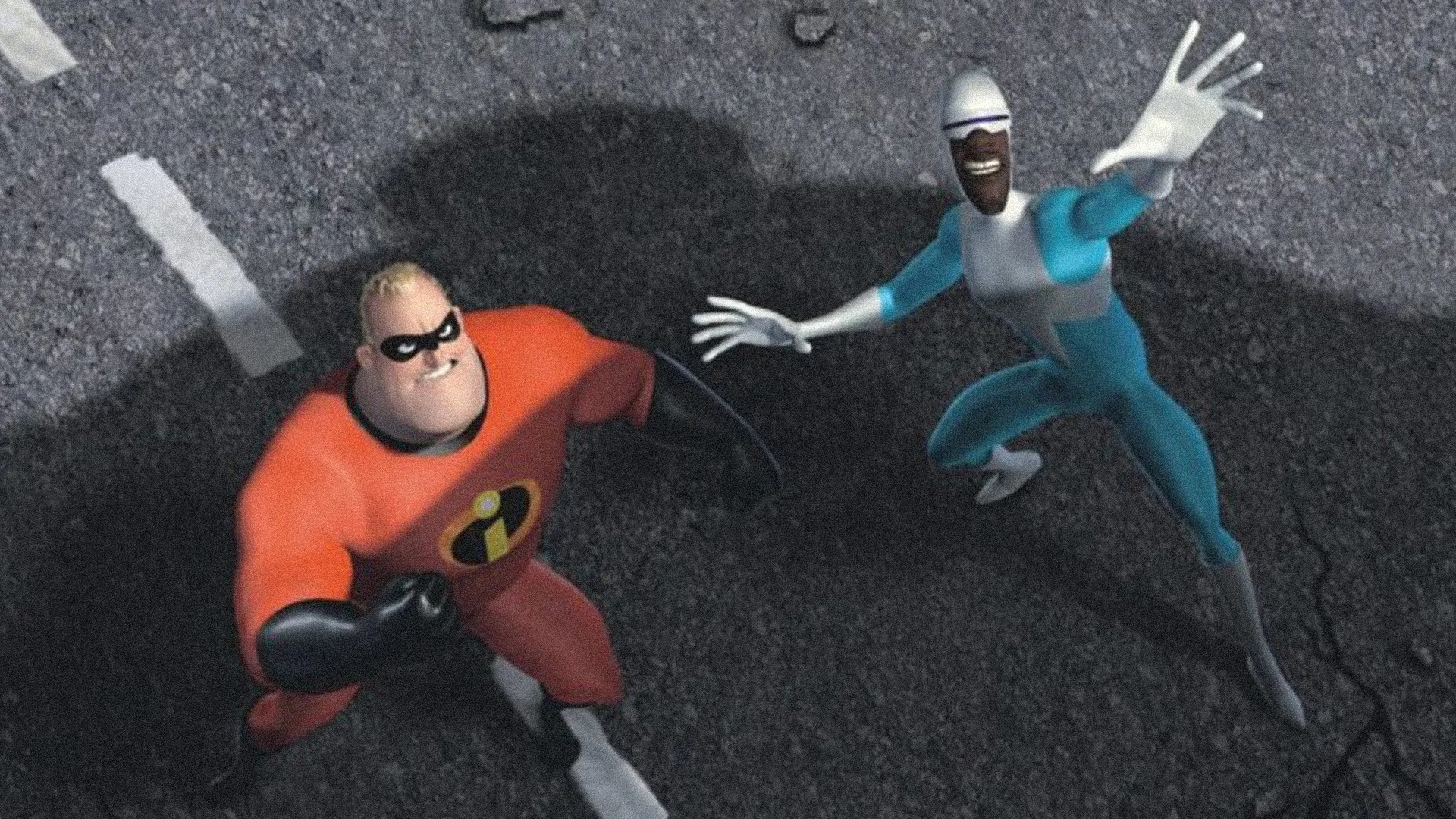
The camera points straight down at 90 degrees. This is the most extreme version of a high angle shot. It is frequently used for abstract compositions, crowd scenes, or moments where the director wants the subject to feel completely overwhelmed by their environment.
Crane Shot
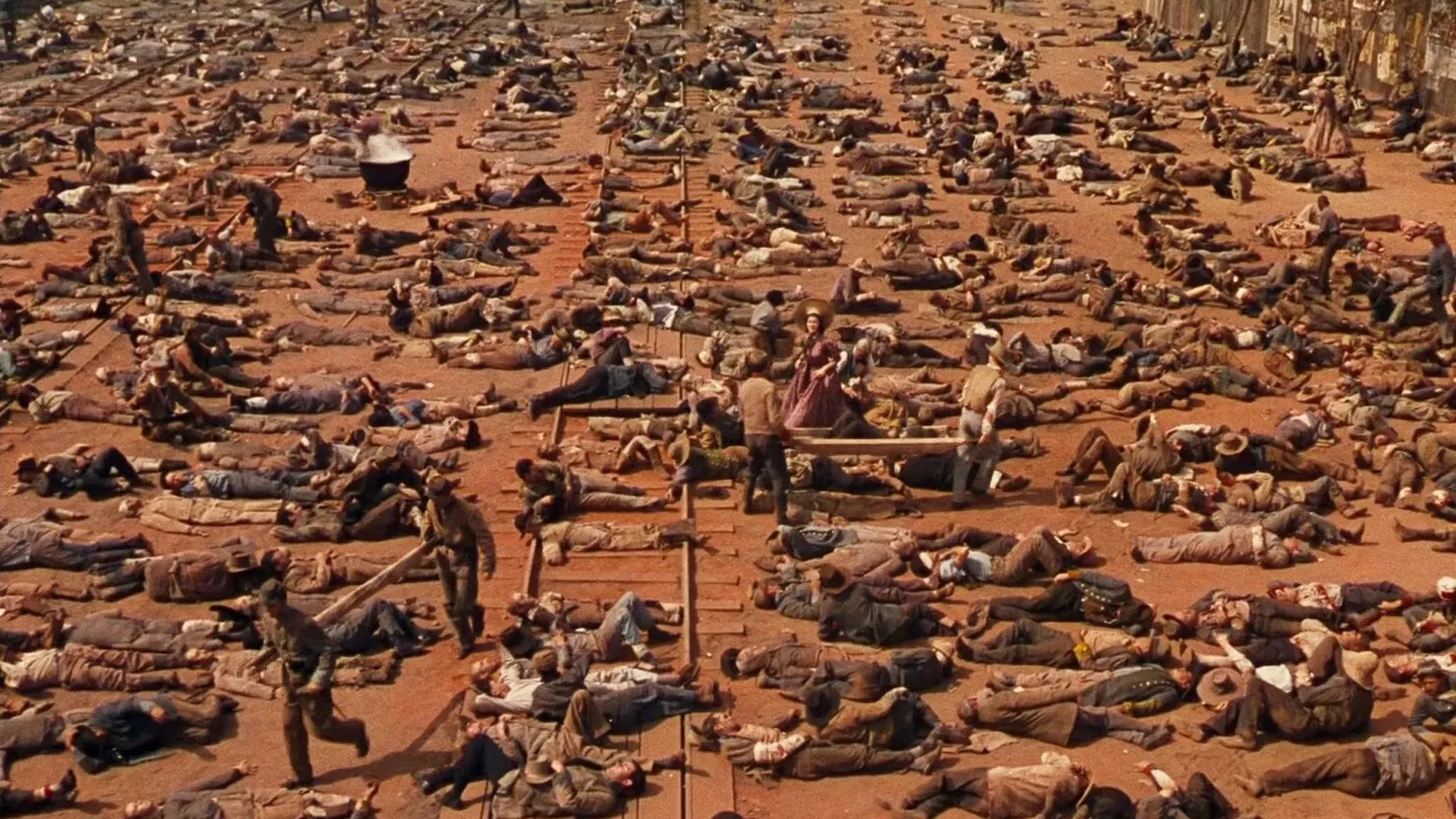
A moving high angle shot captured using a camera crane. It can start at ground level and rise dramatically, or sweep across a wide scene from above. The crane shot in Gone with the Wind (1939), which pulled back to reveal hundreds of thousands of soldiers, is one of the most iconic examples in cinema history.
Drone Shot
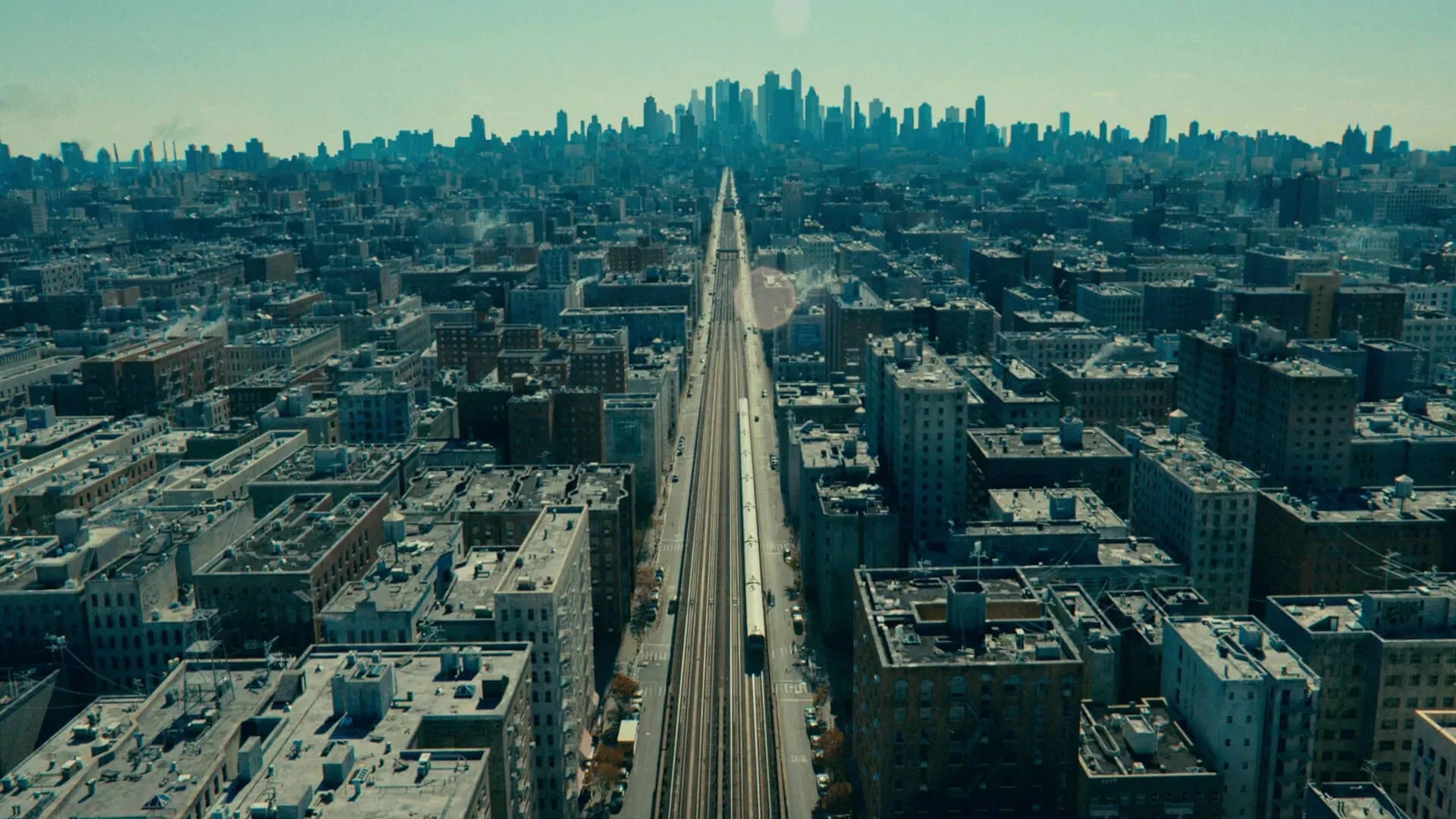
A modern evolution of the crane shot. Drones allow filmmakers to capture high angle footage in locations that would have been impossible or extremely expensive to shoot before. They are now widely used in everything from blockbusters to YouTube travel videos.
High Angle Shot vs. Low Angle Shot
These two techniques are opposites, and they are often used together in the same scene to contrast two characters or ideas.
High Angle Shot | Low Angle Shot | |
|---|---|---|
Camera position | Above eye level, pointing down | Below eye level, pointing up |
Subject appears | Smaller, weaker, vulnerable | Larger, stronger, dominant |
Viewer feels | Superior, observational, detached | Intimidated, in awe, subordinate |
Common use | Victims, underdogs, moments of defeat | Heroes, villains, moments of power |
A classic example of this pairing is an interrogation scene. The detective standing over a suspect is often shot from a low angle (making them look powerful), while the suspect seated below is shot from a high angle (making them look trapped and small). The camera does the storytelling before anyone opens their mouth.
Famous High Angle Shot Examples in Film
Some of the most memorable moments in cinema history were built around this technique. Here are a few standout examples:
Psycho (1960) by Alfred Hitchcock
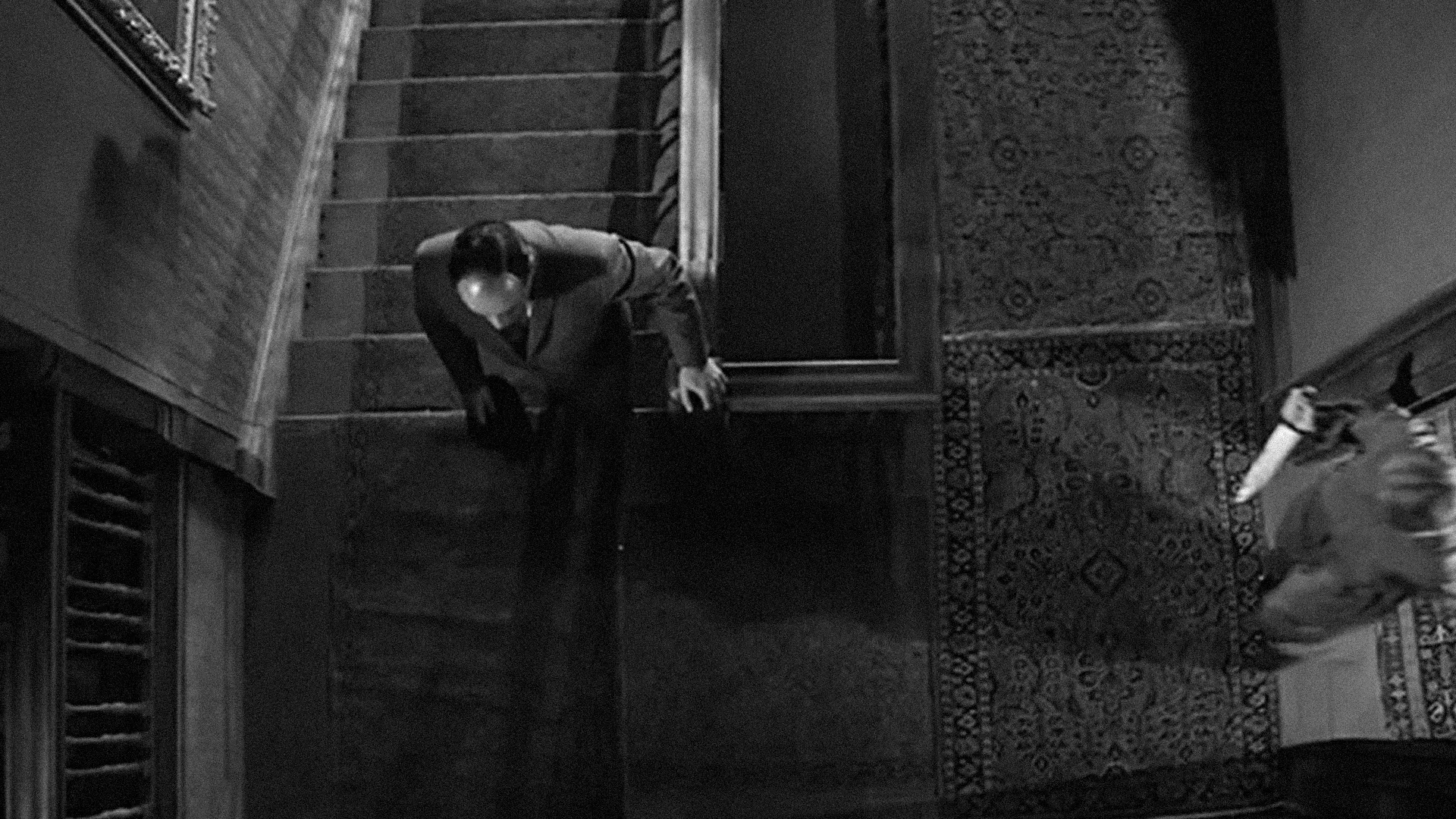
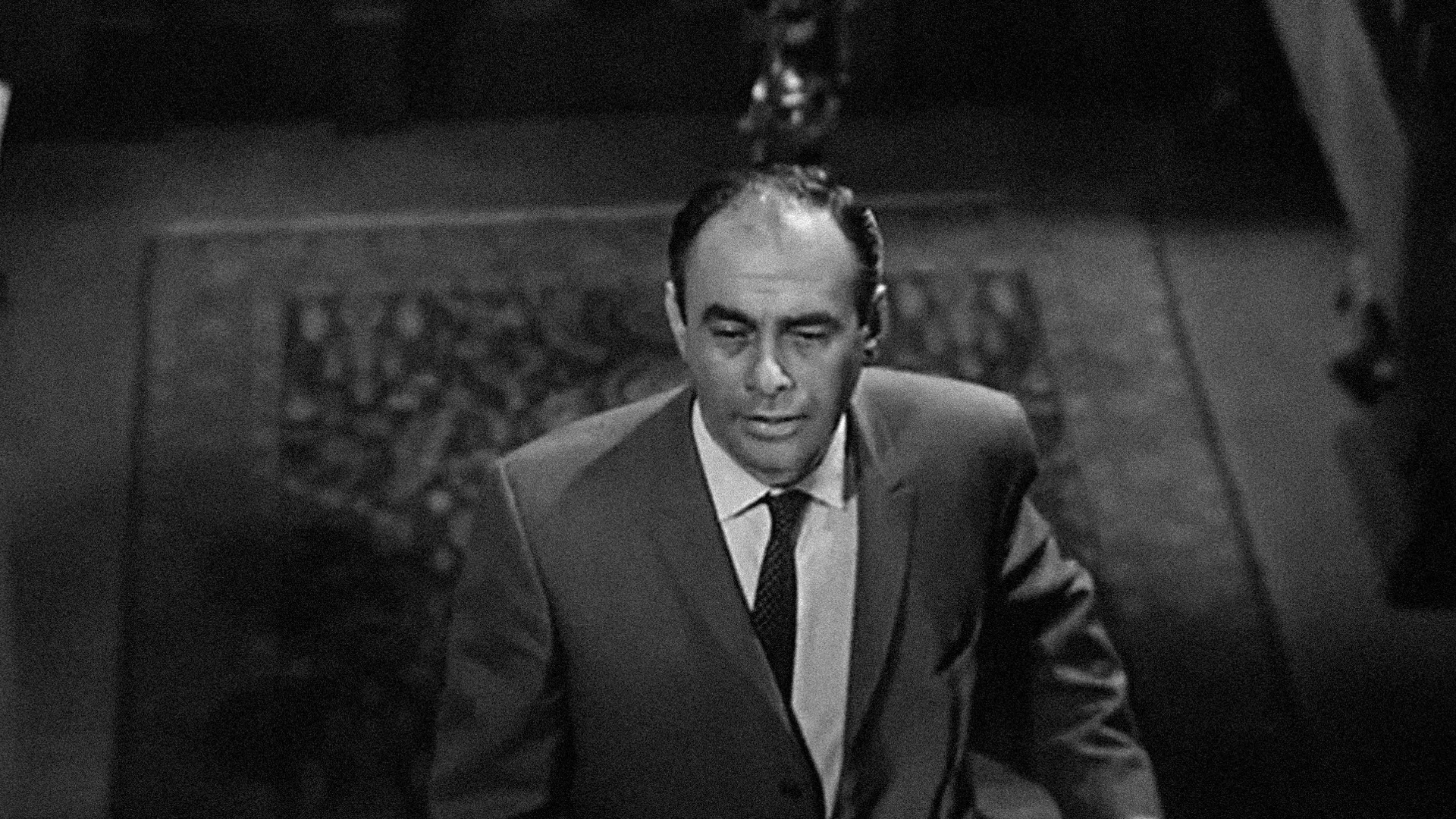
Hitchcock uses a high angle shot as Detective Arbogast climbs the staircase in the Bates house. The camera pulls back and up, making him appear tiny and completely exposed. The viewer immediately senses danger closing in, and the shot makes the eventual attack feel inevitable.
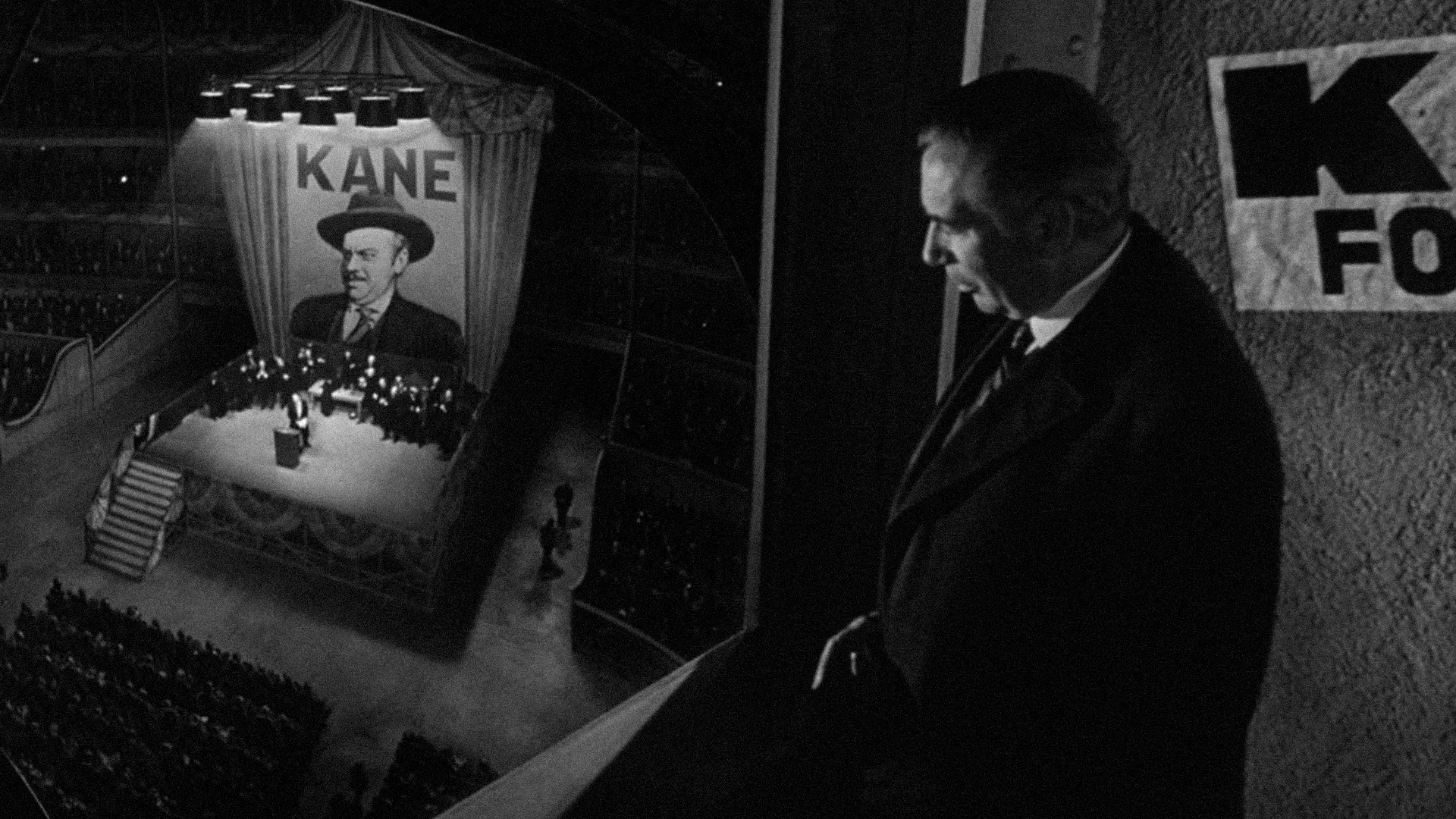
Citizen Kane (1941) by Orson Welles
Welles used high angle shots throughout the film to visually communicate how Charles Foster Kane's empire dwarfs the individuals within it. The camera looking down on characters inside Kane's vast spaces reinforces the theme of power and isolation.
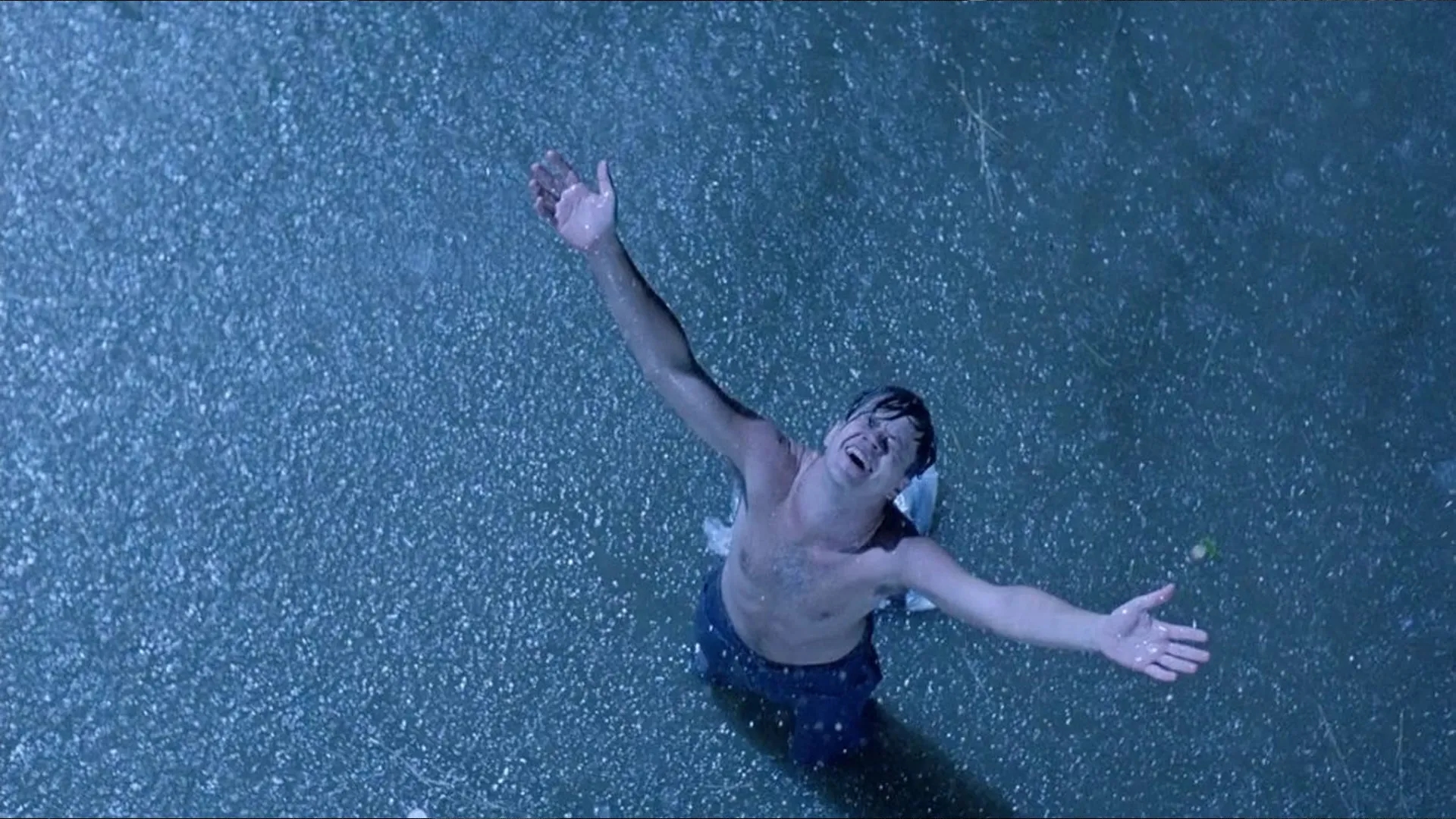
The Shawshank Redemption (1994)
One of the most famous inversions of the technique. When Andy Dufresne stands in the rain with his arms outstretched after escaping prison, the camera looks down on him from above. Rather than suggesting weakness, the shot communicates liberation. He is finally free, and the world is open around him.
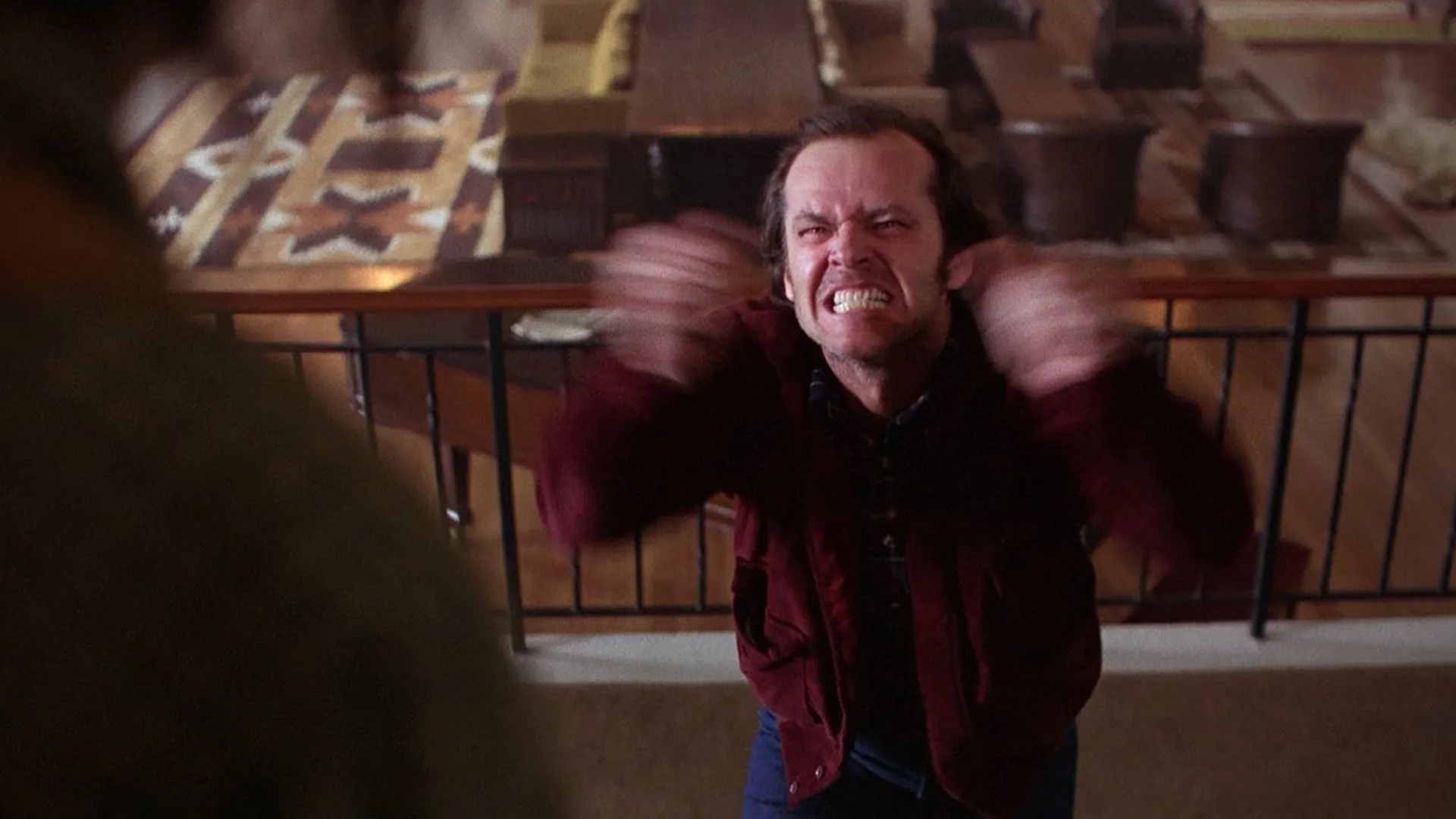
The Shining (1980) by Stanley Kubrick
Kubrick deliberately subverts expectations by placing the high angle on Wendy, the vulnerable character, while Jack holds the power. This creates a deep sense of unease because the visual language reinforces her helplessness throughout the film.
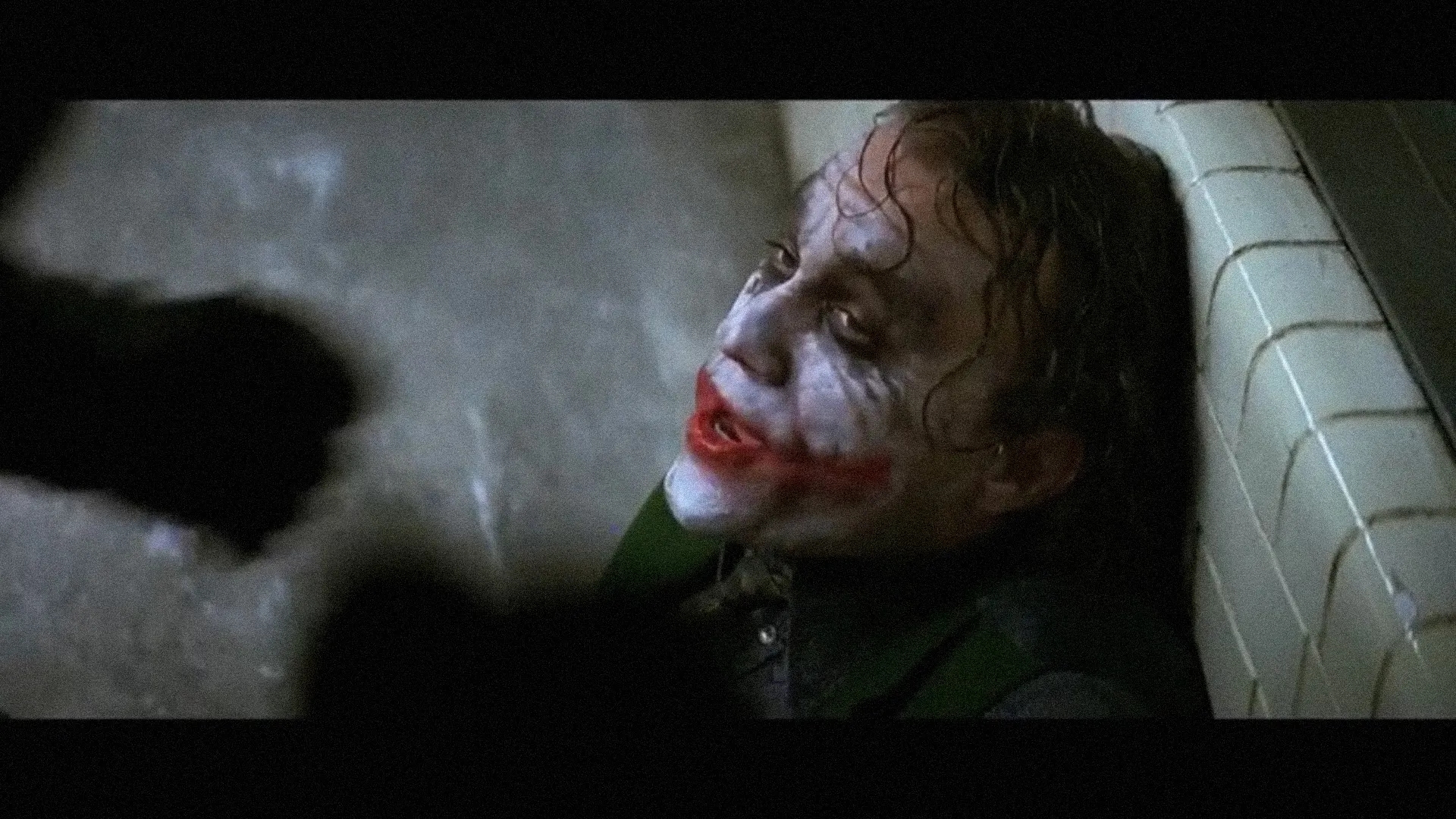
The Dark Knight (2008)
During Batman's interrogation of the Joker, the high angle is placed on the Joker, not Batman. This is a deliberate choice. Even in a position of apparent weakness, the Joker is in control, and the camera angle adds to the unsettling feeling that something is wrong.
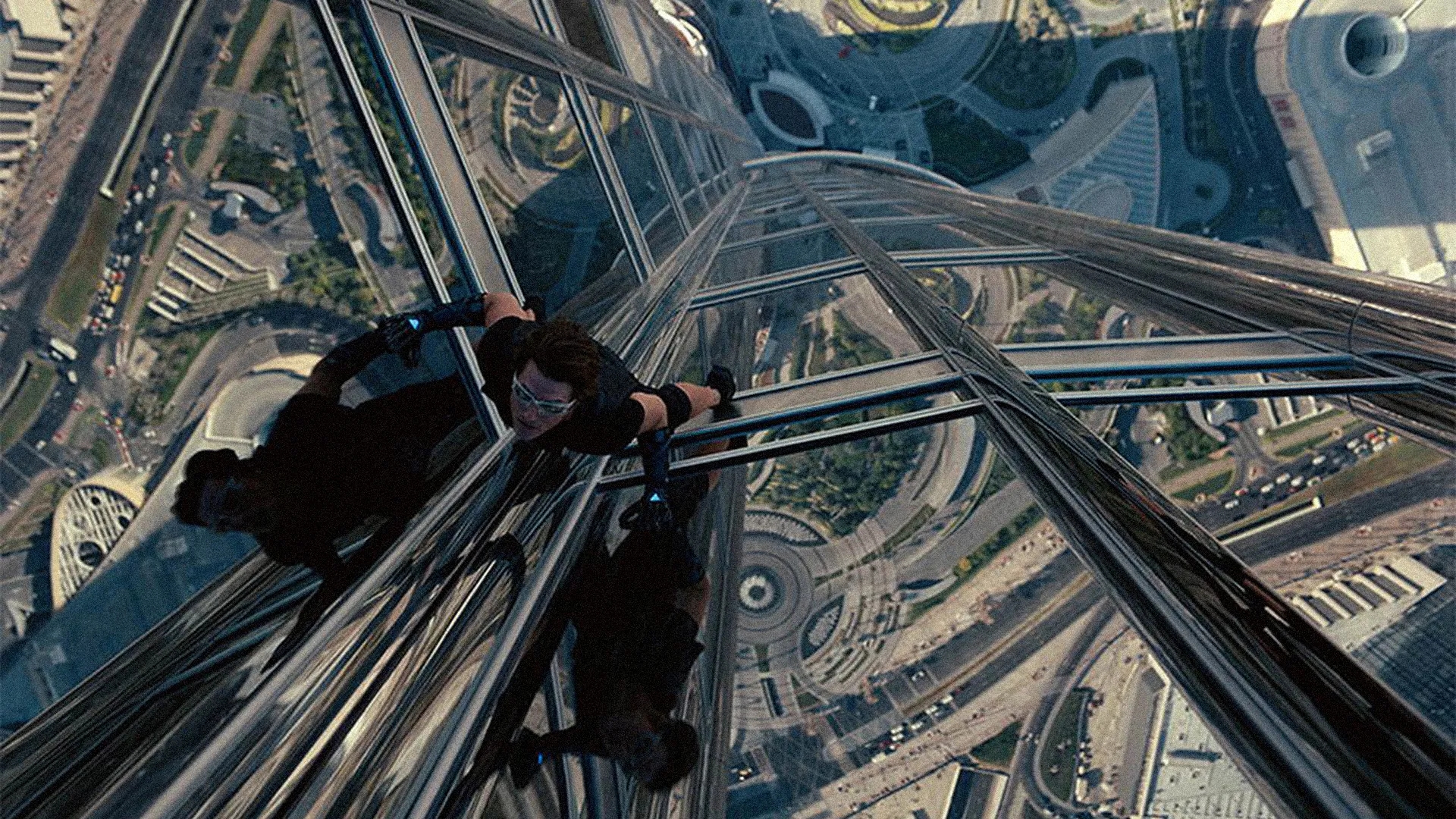
Mission: Impossible - Ghost Protocol (2011)
The sequence where Tom Cruise scales the exterior of the Burj Khalifa uses a high angle shot to devastating effect. The camera looks down from above, and the sheer drop below creates genuine vertigo in the audience.
How to Use High Angle Shots in Your Own Videos or Photos
You do not need a Hollywood budget to use this technique effectively. Here is how to apply it in your own work:
For Video Editors and Filmmakers
- Use it to establish power dynamics. Any time two characters interact and one holds authority over the other, consider shooting the weaker character from a high angle.
- Use it for scale. If you want to show how large a crowd, a location, or a set piece is, a high angle gives the viewer the full picture.
- Pair it with a low angle. Cutting between a high angle on one character and a low angle on another is one of the fastest ways to communicate a power imbalance visually.
- Use drones for establishing shots. A drone shot from above is now accessible and affordable, and it immediately adds a cinematic quality to any production.
- Be intentional. A high angle shot carries meaning. If you use it without purpose, it can confuse the viewer. Ask yourself what you want the audience to feel before you set up the shot.
For Photographers
- Elevate your position. Stairs, rooftops, overpasses, and elevated platforms all give you a natural high angle without any special equipment.
- Hold the camera overhead. For street photography or crowded scenes, raising the camera above your head and pointing it downward can simplify the background and create a cleaner composition.
- Use a vari-angle LCD screen. This makes it much easier to frame shots when the camera is above your head.
- Look for patterns and leading lines. From above, roads, staircases, and architectural details create strong geometric compositions that are hard to see from eye level.
- For portraits, avoid going too wide with your lens. A standard or short telephoto lens will minimize distortion and keep the subject looking natural even from above.
Final Thoughts
A high angle shot is a camera positioned above the subject's eye level and angled downward. It makes subjects appear smaller, more vulnerable, or less powerful, and it gives the viewer a sense of scale and spatial context.
It is one of the most versatile tools in filmmaking and photography because it works on two levels at once: it tells the audience something about the subject emotionally, and it gives them a clearer view of the environment. When used with intention, it can completely change how a scene feels without changing a single word of the script.
Whether you are editing a short film, a YouTube video, or shooting portraits, understanding when and why to use a high angle shot will make your visual storytelling sharper and more deliberate.
Frequently Asked Questions
What is a high angle shot?
A high angle shot is a filmmaking and photography technique where the camera is placed above the subject's eye level and tilted downward. It makes the subject appear smaller, weaker, or more vulnerable and is commonly used to communicate power imbalances or show scale.
What does a high angle shot suggest?
A high angle shot typically suggests vulnerability, weakness, or powerlessness. It can also be used to show the scale of a scene, establish geography, or create a sense of surveillance. In some cases, directors use it in an inverted way to suggest freedom or release, as in The Shawshank Redemption.
What is the difference between a high angle shot and a bird's-eye view?
A high angle shot is any shot where the camera is above the subject and angled downward. A bird's-eye view is a specific type of high angle shot where the camera points straight down at 90 degrees. All bird's-eye views are high angle shots, but not all high angle shots are bird's-eye views.
What is the difference between a high angle shot and a low angle shot?
A high angle shot looks down on the subject, making them appear smaller and weaker. A low angle shot looks up at the subject, making them appear larger and more powerful. The two are often used together in the same scene to contrast characters and communicate a power dynamic visually.
How do filmmakers achieve high angle shots?
High angle shots are captured using cranes, drones, boom arms, elevated platforms, ladders, or simply by raising the camera above head height. The choice of equipment depends on how high the shot needs to be and whether the camera needs to move during the shot.
Can I use high angle shots in YouTube videos?
Absolutely. High angle shots work in any video format, including YouTube content. They are great for establishing shots, reaction moments, or any scene where you want to show a character feeling overwhelmed or out of their depth. A drone or even a camera raised above your head can achieve the effect without expensive gear.
Related Posts
 Video Editing