What Is an Eye Level Shot? When and Why to Use It

Table of Contents
An eye level shot is a camera angle where the lens is positioned at the same height as the subject's eyes, creating a neutral and natural perspective that mirrors the way humans see the world.
It places the viewer on equal footing with the subject, without suggesting power, dominance, or vulnerability the way high or low angles do.
Why the Eye Level Shot Matters
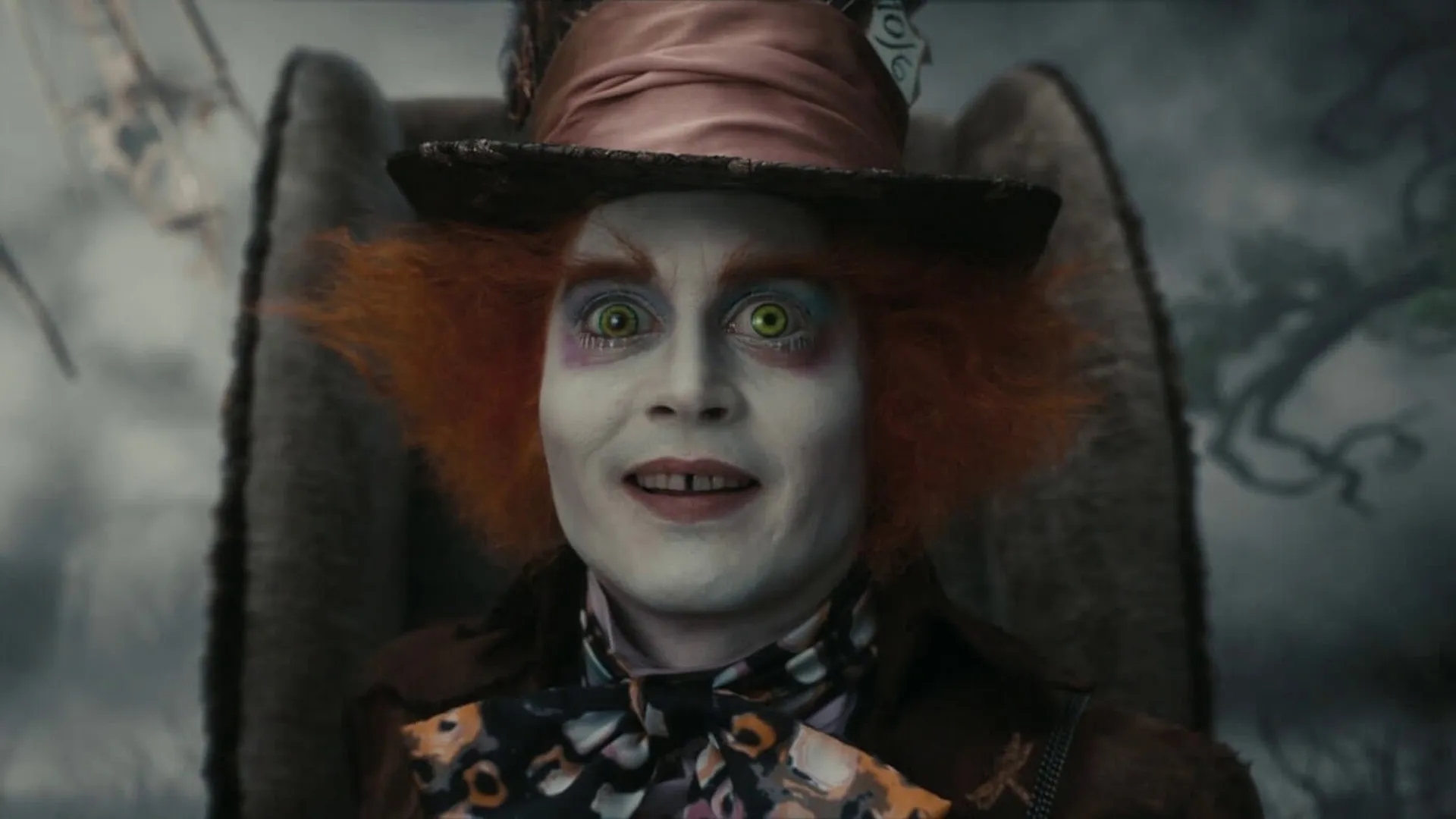
Camera angles are one of the most powerful tools a filmmaker or photographer has. They shape how the audience feels about a subject before a single word is spoken. And while dramatic angles like low shots or bird's eye views get a lot of attention, the eye level shot is arguably the most important angle to understand.
Here's why: it is the baseline. Every other angle is measured against it.
When you shoot at eye level, you are telling the audience, "this is neutral ground." There is no manipulation of power, no exaggeration of size, no emotional trick being played. The viewer simply feels like they are in the room, standing face to face with the subject.
This makes it the go-to angle for:
- Building genuine emotional connection with a character
- Keeping dialogue scenes grounded and believable
- Making documentary subjects feel approachable and human
- Portraying everyday moments without cinematic distortion
It is also the most commonly used angle in film and television, precisely because it feels invisible. When done well, the audience does not notice the camera at all. They are just present in the scene.
How the Eye Level Shot Works
The eye level shot is defined by one simple rule: the camera lens aligns with the subject's eyes.
For a standing adult, that typically means placing the camera around 5 to 6 feet off the ground. But the exact height always depends on the subject. If you are filming a child, a seated person, or even a pet, you physically lower the camera to match their eye line.
A few things to keep in mind:
- It is the lens position that matters, not the camera body. The iris of the lens should align with the subject's eyes.
- The camera does not tilt. If the lens is at eye height but angled up or down, it becomes a high or low angle shot. True eye level means the camera is both at the right height and pointed straight ahead.
- It applies to any framing distance. Whether you are shooting a wide establishing shot, a medium shot, or a tight close-up, the angle can still be eye level.
- A tripod helps. Because the height needs to be precise, a tripod or adjustable rig gives you much more control than handheld shooting.
Eye Level Shot vs. Other Camera Angles
Understanding the eye level shot becomes much clearer when you compare it to the alternatives.
Eye Level vs. High Angle Shot
A high angle shot places the camera above the subject, looking down. This makes the subject appear smaller, weaker, or more vulnerable. Directors use it to create sympathy, show defeat, or make a character feel isolated. The eye level shot, by contrast, gives the subject full presence in the frame without diminishing them.
Eye Level vs. Low Angle Shot
A low angle shot places the camera below the subject, looking up. This makes the subject appear larger, more powerful, or even threatening. It is a classic tool for establishing authority or making a villain feel imposing. The eye level shot removes that power imbalance entirely.
Eye Level vs. Shoulder Level Shot
This is a subtle but important distinction. A shoulder level shot places the camera slightly lower than eye level, at roughly shoulder height. This can subtly empower the subject without being as dramatic as a full low angle. Eye level is more precise and truly neutral, while shoulder level carries a slight psychological lean toward dominance.
Here is a quick comparison:
Camera Angle | Camera Position | Effect on Subject |
|---|---|---|
Eye Level | At the subject's eyes | Neutral, equal, relatable |
High Angle | Above, looking down | Smaller, weaker, vulnerable |
Low Angle | Below, looking up | Larger, powerful, intimidating |
Shoulder Level | Slightly below eye level | Subtly empowered, grounded |
When to Use an Eye Level Shot
The eye level shot is versatile, but it is not a default you use without thinking. Here are the situations where it works best.
Dialogue and Conversation Scenes
When two characters are talking, eye level shots keep the exchange balanced. Neither character feels dominant over the other, which is exactly what you want in a natural conversation. Paired with over-the-shoulder shots, the eye level angle creates a rhythm that feels true to life.
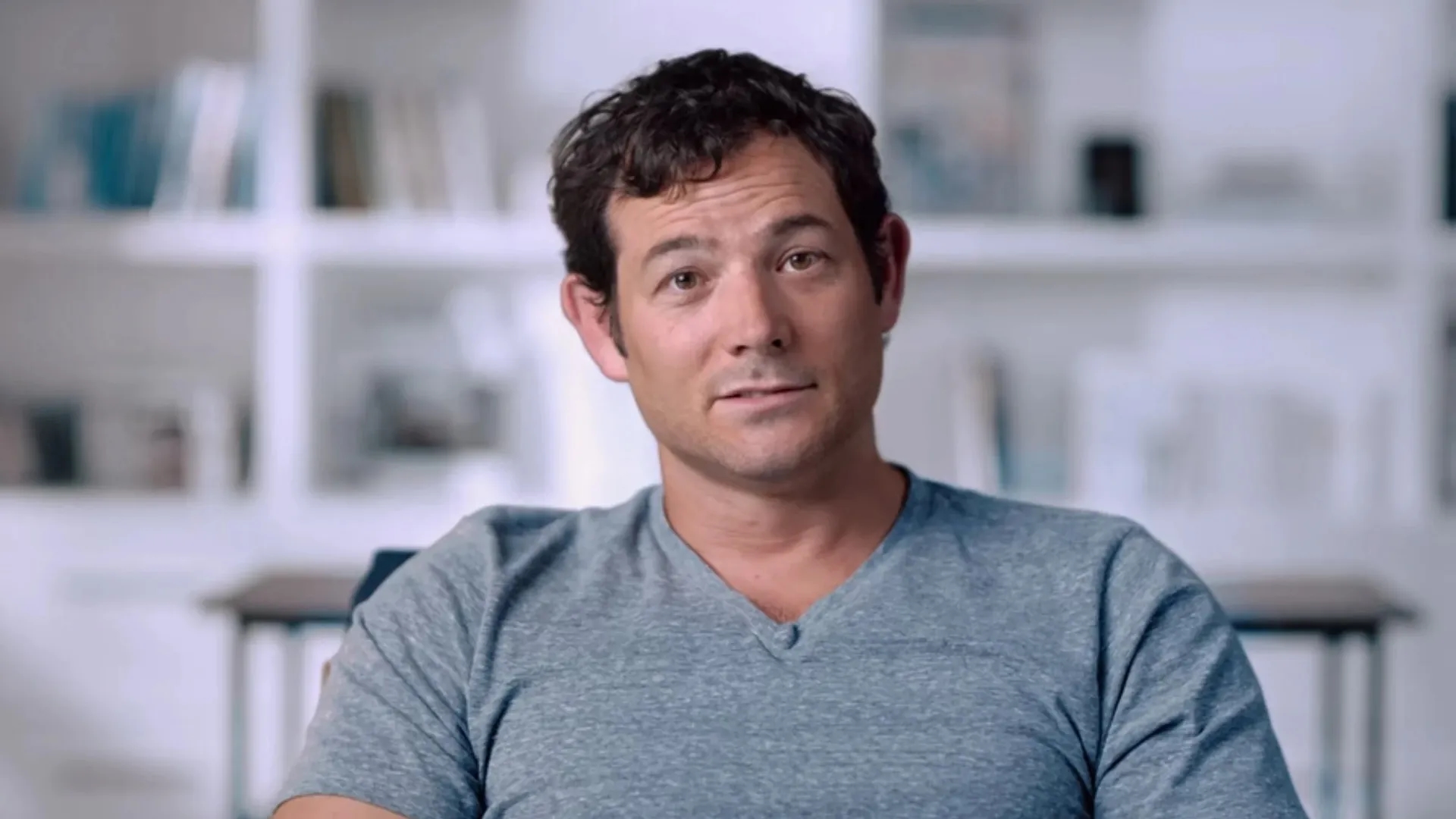
Documentaries and Interviews
In documentary filmmaking, the eye level shot is almost a rule. It signals honesty and respect toward the subject. Shooting down at someone in an interview makes them look small. Shooting up makes them look like they are being put on a pedestal. Eye level says: this is a real person, and we are listening.
Building Emotional Connection
When you want the audience to empathize with a character, eye level is your best friend. It removes the distance that other angles create. The viewer is not observing from above or below. They are right there, at the same level, sharing the moment.
A great example is "The Hunger Games." The film uses eye level shots extensively to keep Katniss relatable and grounded. Rather than constantly shooting her from below to make her look heroic, the eye level angle makes her feel like someone you could actually know, which makes her struggle far more personal.
Humanizing Complex or Villainous Characters
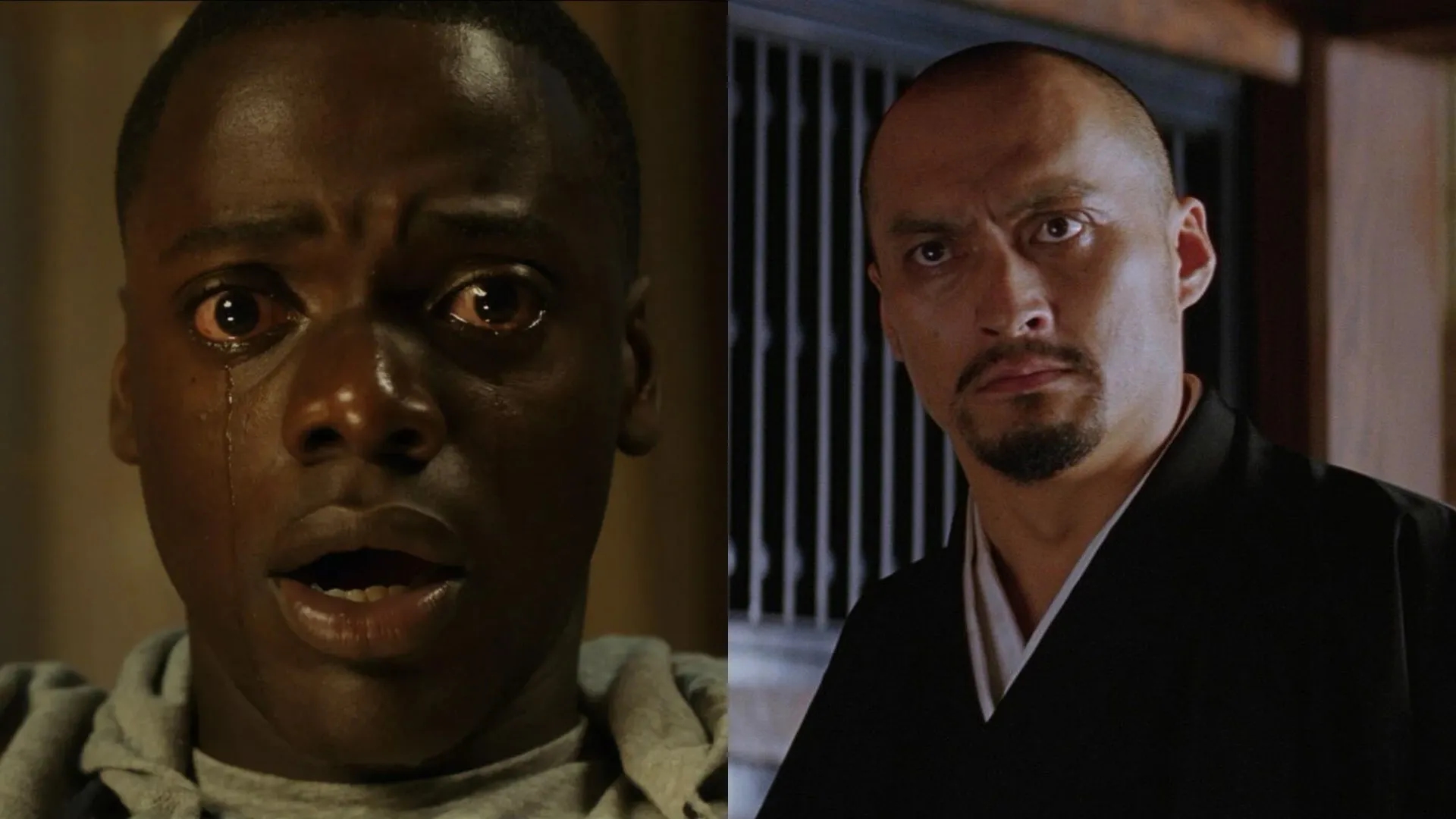
This is one of the more interesting uses of the eye level shot. When a director wants the audience to understand a morally complicated character, shooting at eye level creates a sense of shared humanity. It does not excuse their actions, but it invites the viewer to see them as a person rather than a monster. "American History X" and "The Silence of the Lambs" both use this technique to powerful effect.
Everyday and Slice-of-Life Moments
For scenes that are meant to feel ordinary, the eye level shot is the natural choice. It does not dramatize. It does not editorialize. It simply shows what is happening, which is exactly the right tone for quiet, human moments.
Famous Examples of Eye Level Shots in Film
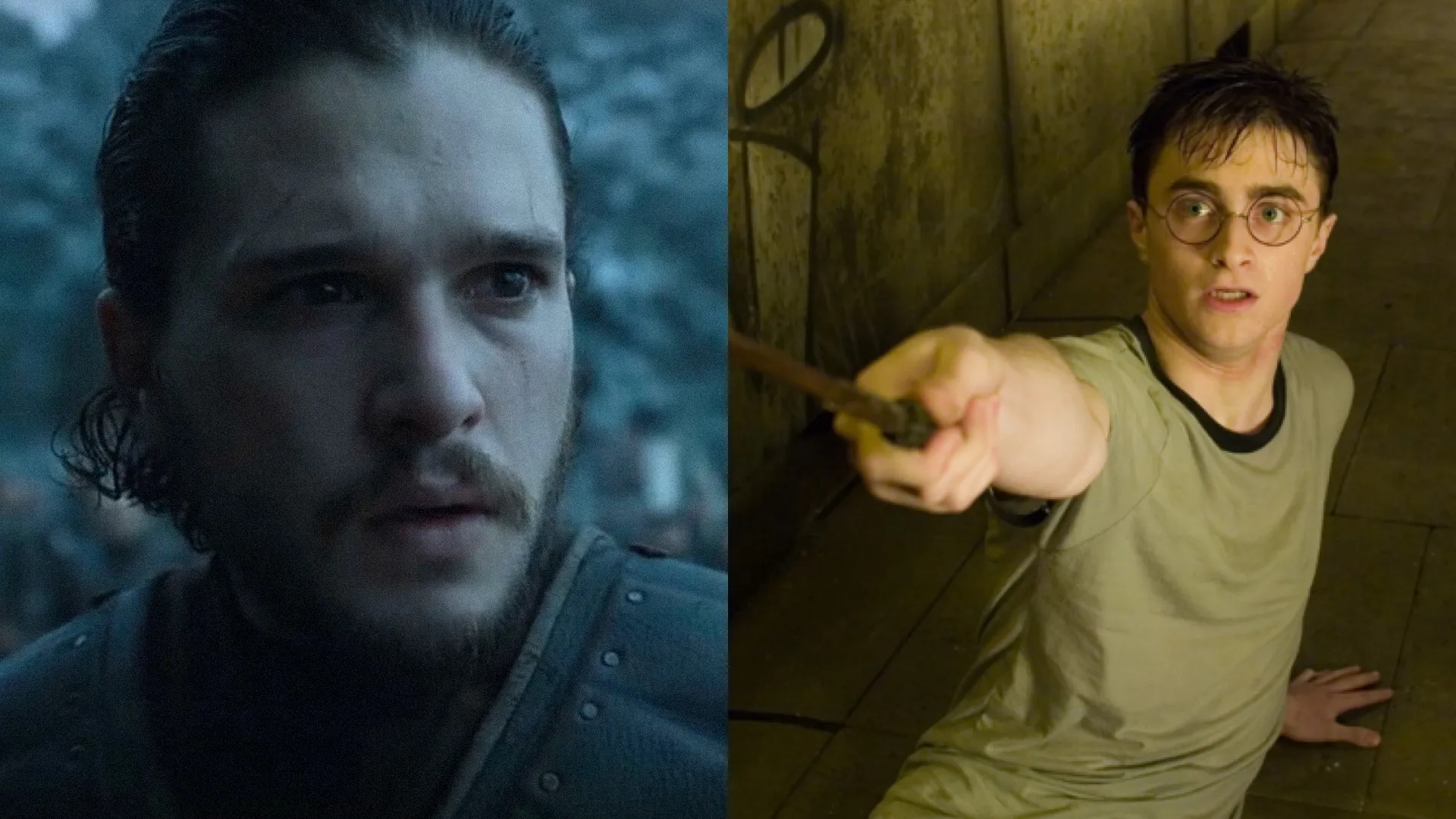
- "Game of Thrones" (Battle of the Bastards): The episode shifts between dramatic angles throughout the battle, but key emotional beats on Jon Snow are captured at eye level, grounding his humanity in the middle of chaos.
- "The Truman Show": Eye level shots are used consistently to make Truman feel like a normal, relatable person, which makes the reveal of his constructed world all the more unsettling.
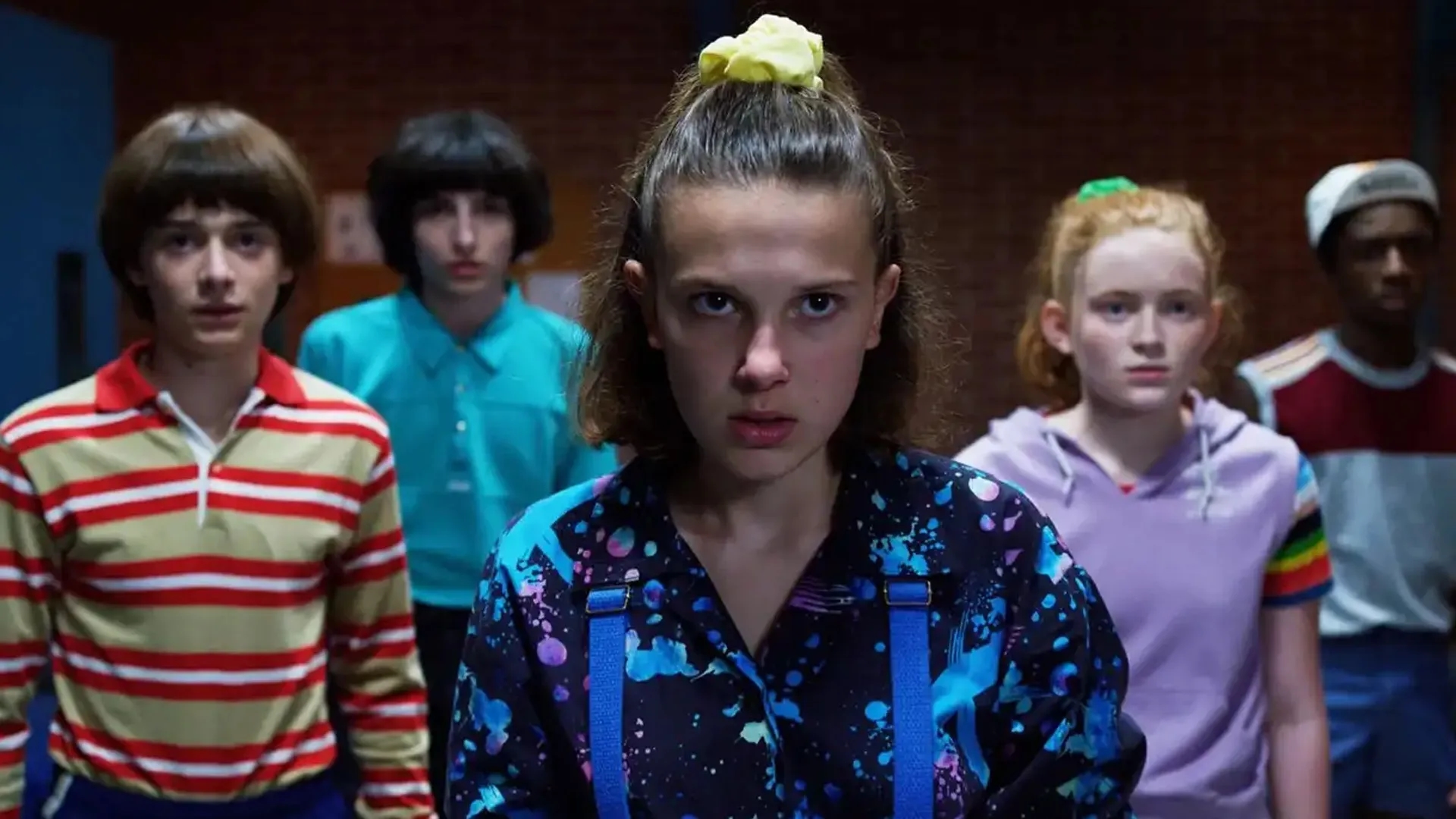
- "Stranger Things": The show frequently drops to eye level with its younger cast, which creates an immersive, intimate feel that pulls the audience into their perspective.
- "The Silence of the Lambs": The tense exchanges between Clarice and Hannibal Lecter are shot at eye level, creating a disturbing sense of equality between them.
Eye Level Shot in Photography
The eye level shot is just as important in photography as it is in filmmaking. In portrait photography, aligning the camera with the subject's eyes creates a direct, honest connection. The viewer feels like they are meeting the person in the photo, not looking at them from a distance.
In child and pet photography, this often means physically getting low. Crouching down or lying on the ground to match a child's eye level transforms a photo from a top-down snapshot into something genuinely intimate.
In street photography, shooting at eye level keeps the work documentary and respectful. It treats subjects as equals rather than curiosities.
Practical tips for eye level photography:
- Get physically low when needed. Do not just tilt the camera down. Move your body.
- Use a tripod or monopod for precision, especially in portrait sessions.
- Experiment with focal lengths. A wider lens at eye level creates immersion. A longer lens compresses the scene and draws out expressions.
- Watch your background. Because eye level is neutral, the background carries more visual weight. Make sure it supports the subject rather than competing with it.
Common Mistakes to Avoid
Even though the eye level shot seems simple, there are a few easy mistakes that can undermine it.
Tilting the camera instead of moving it. If you are too high and tilt down to frame the subject's eyes, you are no longer shooting at eye level. You are shooting a high angle. Move the camera to the right height first, then frame.
Assuming eye level means the same height for every subject. Eye level is relative to the subject, not to you. Always adjust for who or what you are filming.
Using it by default without intention. Eye level is neutral, but neutral is not always right. Sometimes a scene calls for a low angle to show power or a high angle to show vulnerability. Using eye level when another angle would serve the story better is a missed opportunity.
Forgetting about the background. Because eye level does not distort the scene, the background is fully visible. A cluttered or distracting background will hurt the shot more than it would with a dramatic angle.
Final Thoughts
The eye level shot is the foundation of visual storytelling. It is the angle that says "this is real, this is human, and this is honest." It builds empathy, grounds scenes in reality, and gives the audience a front-row seat to the story without making them feel like they are watching from above or below.
Mastering the eye level shot does not mean using it all the time. It means knowing exactly when it is the right choice and executing it with precision. Once you understand what it does and why it works, every other camera angle becomes easier to use intentionally.
Want to go deeper into camera techniques and visual storytelling? Explore more guides on shot types, camera movements, and how to build scenes that actually connect with your audience.
Frequently Asked Questions
What is an eye level shot?
An eye level shot is a camera angle where the lens is placed at the same height as the subject's eyes. It creates a neutral, natural perspective that mirrors human vision and puts the viewer on equal footing with the subject.
When should you use an eye level shot?
Use it in dialogue scenes, interviews, documentaries, and any moment where you want to build emotional connection or portray a subject without implying power or vulnerability. It is the best choice when neutrality and realism are the goal.
What is the difference between an eye level shot and a low angle shot?
An eye level shot places the camera at the subject's eye height, creating a neutral perspective. A low angle shot places the camera below the subject and looks up, making the subject appear larger, more powerful, or more intimidating.
Does eye level mean the camera is always at the same height?
No. Eye level is always relative to the subject. For a standing adult it is around 5 to 6 feet off the ground, but for a child, a seated person, or an animal, the camera needs to be lowered to match their specific eye line.
Is the eye level shot used in photography too?
Yes. In portrait, street, documentary, and child photography, shooting at eye level creates intimacy and honesty. It makes the viewer feel like they are meeting the subject rather than observing them from a distance.
Related Posts
 Video Editing