What Is a Medium Shot? Definition and Examples

Table of Contents
- Why Medium Shots Matter in Filmmaking
- How a Medium Shot Works
- The Different Types of Medium Shots
- Medium Shot vs. Close-Up vs. Wide Shot
- Real-World Examples from Film
- How to Use Medium Shots Effectively
- Final Thoughts
- Frequently Asked Questions
- Spotlight FX - Get free transitions, effects and workflow tools
A medium shot (also called a mid shot or MS) is a camera shot that frames a subject from roughly the waist up, placing it between a wide shot and a close-up. It gives equal weight to the subject and the surrounding environment, making it one of the most widely used shot types in film, television, and photography.
Why Medium Shots Matter in Filmmaking
If you have ever watched a movie and felt like you were naturally following the conversation without anything feeling forced or jarring, there is a good chance medium shots were doing most of the heavy lifting.
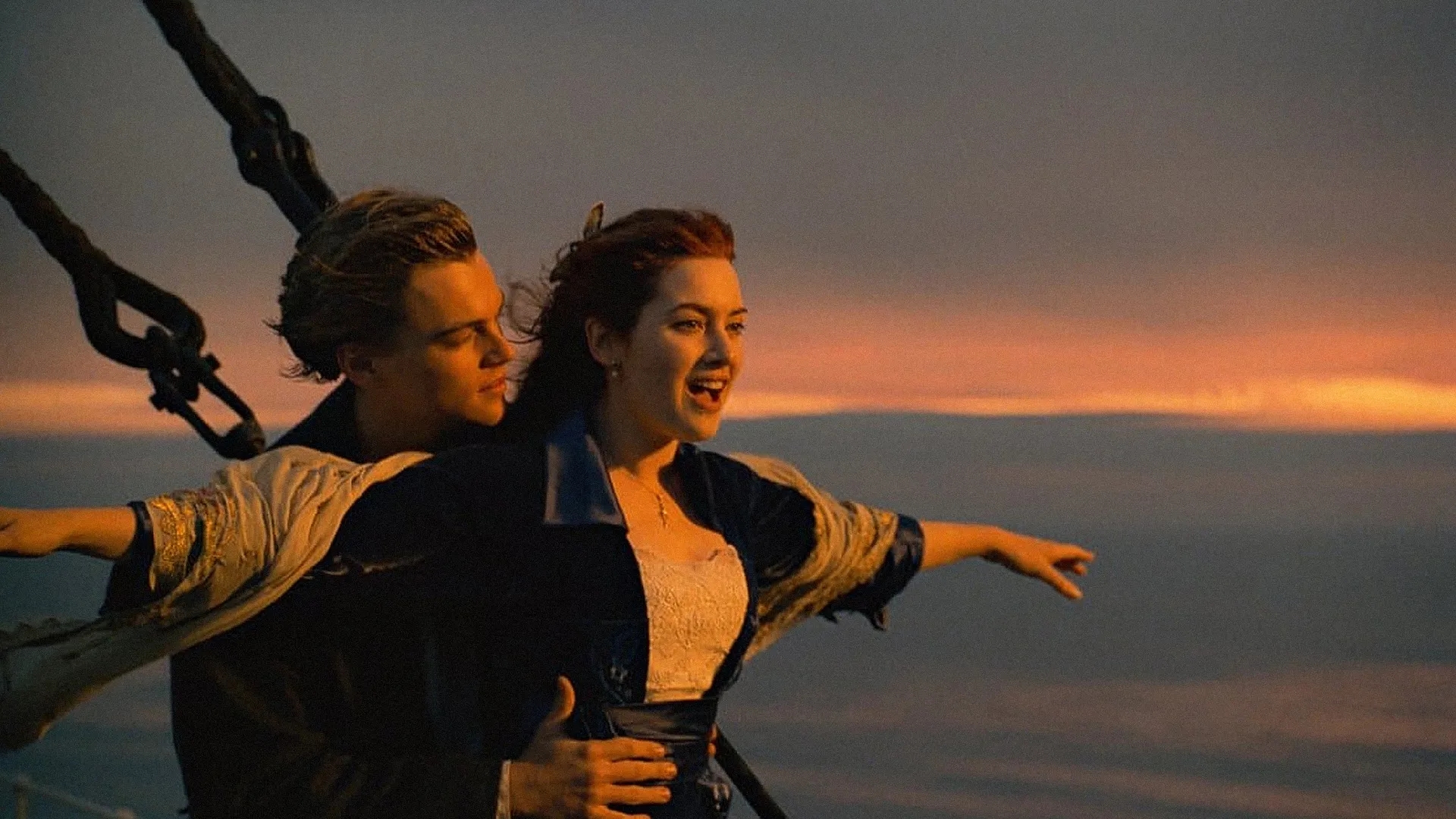
The medium shot is often called the workhorse of filmmaking for a reason. It is the most common shot type in movies and TV because it hits a sweet spot that no other shot quite achieves: you can read a character's face, understand their body language, and still get a sense of where they are, all at the same time.
Here is why that matters:
- It mimics natural human perception. A medium shot closely resembles what the human eye sees when looking at someone in a normal conversation. It feels familiar and comfortable to the viewer.
- It keeps the story moving. Medium shots work as transitional shots between wide establishing shots and tight close-ups, making edits feel smooth rather than abrupt.
- It carries both emotion and context. Unlike a close-up (which isolates emotion) or a wide shot (which prioritizes environment), a medium shot holds both at once.
For video editors and creators, understanding medium shots is not just a filmmaking theory exercise. It directly affects how you cut footage, how you sequence shots in your timeline, and how your final video feels to the audience.
How a Medium Shot Works
A medium shot is defined by its framing distance relative to the subject. The camera is positioned at a medium distance, capturing the subject from approximately the waist up to the top of the head.
This framing does a few specific things:
- Shows facial expressions clearly enough to read emotion
- Reveals body language, including hand gestures, posture, and movement
- Includes partial background, giving the viewer environmental context without making the setting the focus
Medium shots are typically captured with a standard or normal lens, often around 50mm in a 35mm equivalent. This focal length produces minimal distortion and closely matches how the human eye perceives depth and proportion, which is a big part of why medium shots feel so natural on screen.
In terms of editing, medium shots serve as buffer shots. They sit comfortably between wide shots and close-ups, allowing editors to cut between extremes without creating a jarring visual jump.
The Different Types of Medium Shots
Medium shots are not a single rigid framing. There is a family of related shot sizes that all fall under the medium shot umbrella, each with a slightly different emphasis.
Medium Shot (MS)
The standard medium shot frames the subject from the waist up. This is the baseline reference point when someone says "medium shot." It is used constantly in dialogue scenes, interviews, and any situation where you need to see both the face and the upper body.
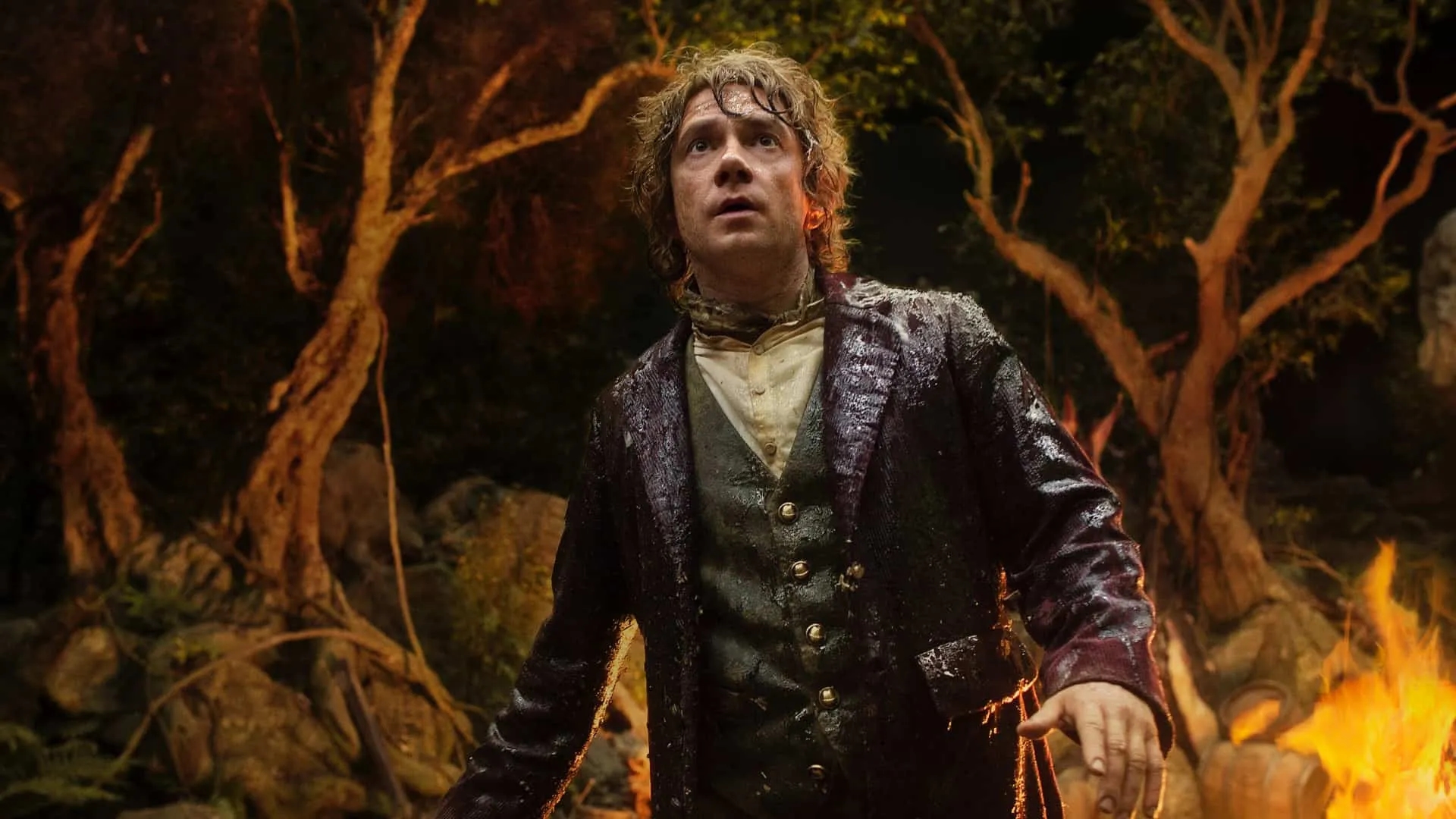
Medium Close-Up (MCU)
The medium close-up frames the subject from the chest or shoulders up. It sits between a standard medium shot and a full close-up. It puts more emphasis on the face and emotion while still retaining a small amount of the surrounding environment. News anchors and interview subjects are often framed this way.
Medium Long Shot (MLS) / Three-Quarter Shot
Also called a three-quarter shot, this frames the subject from the knees up. It includes more background than a standard medium shot and is useful when you want to show more of a character's full body movement without going all the way to a wide shot.
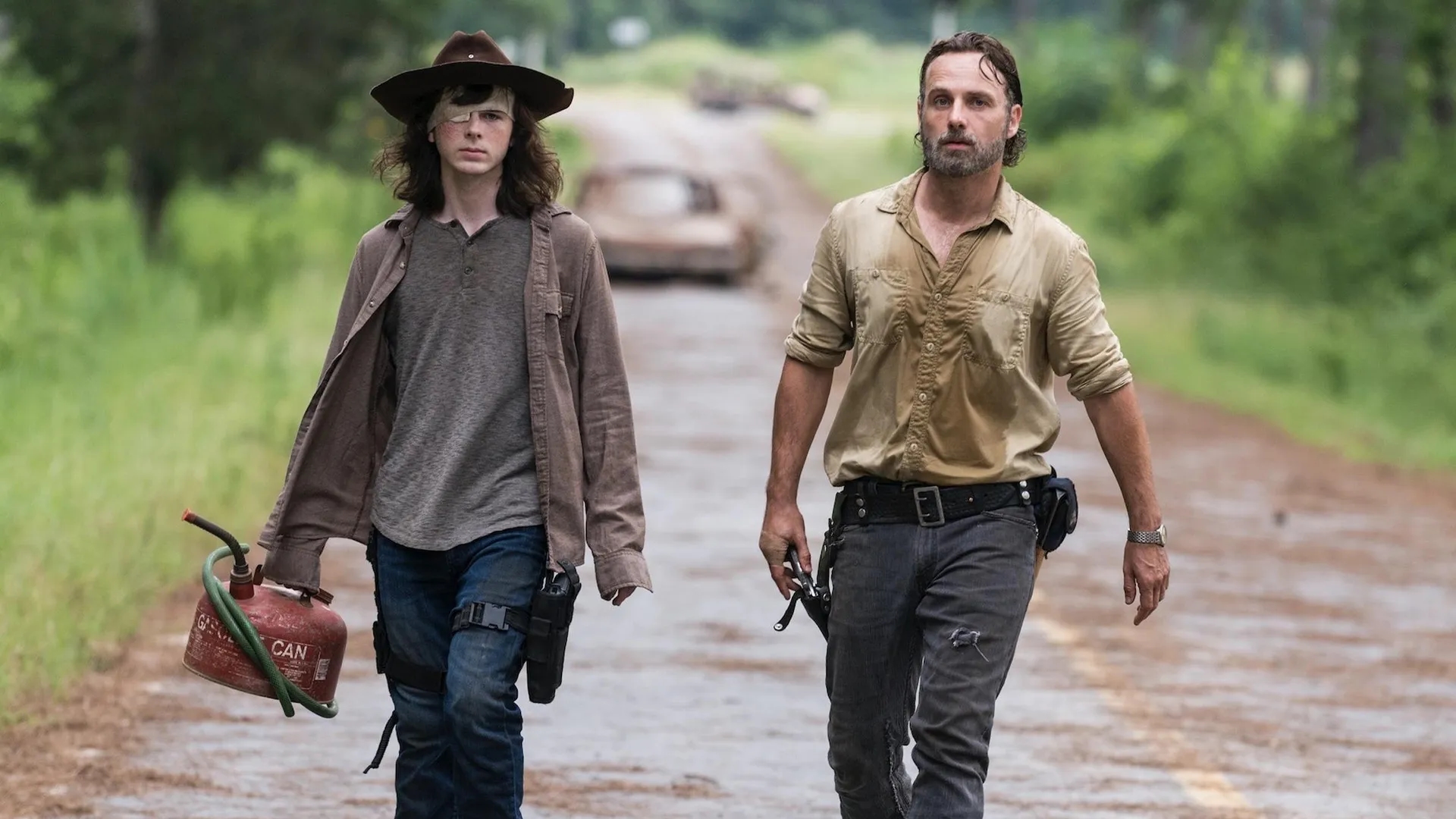
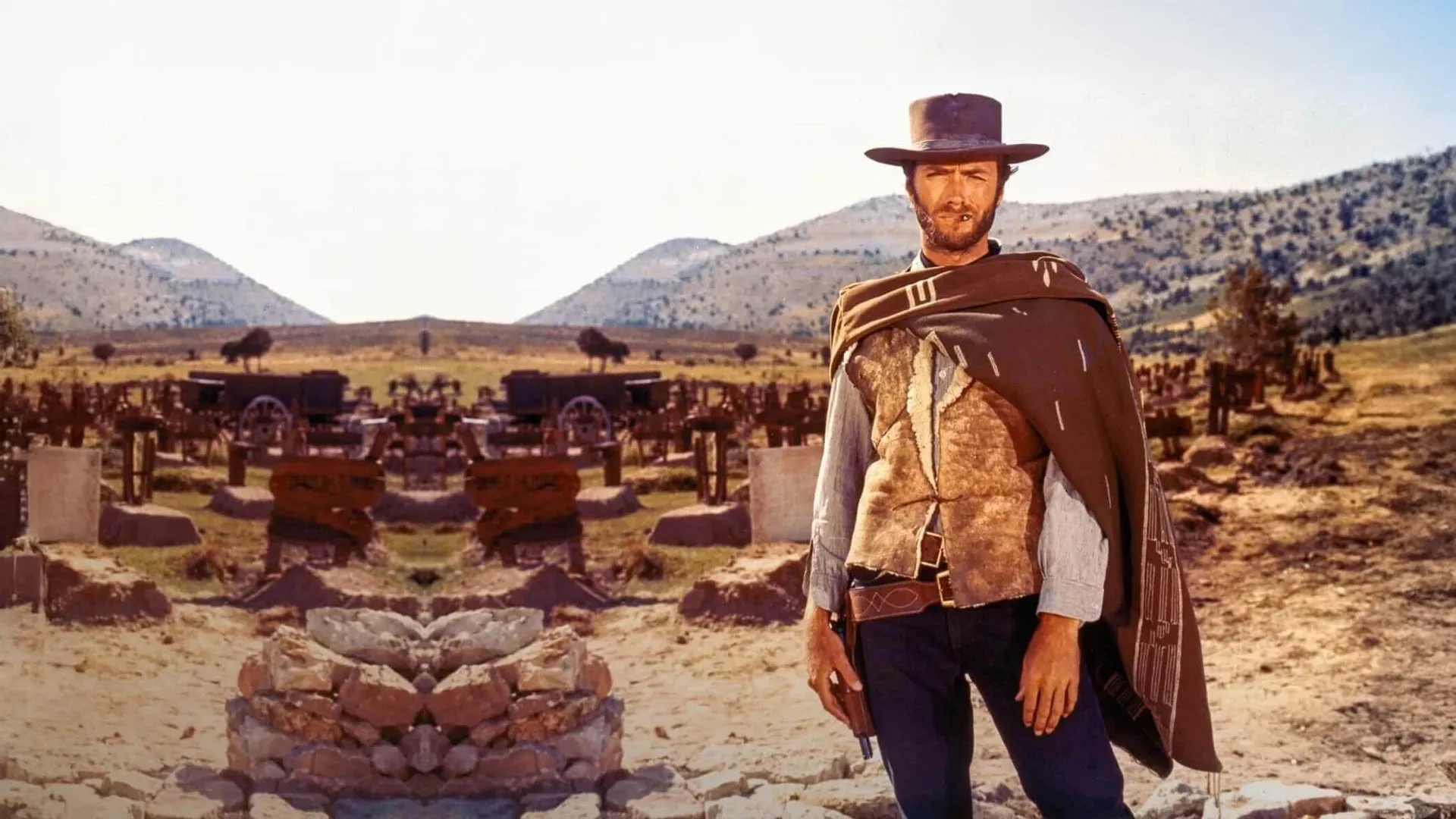
Cowboy Shot
A variation of the medium long shot, the cowboy shot frames from roughly the mid-thigh up. It gets its name from classic Western films, where directors needed to show both an actor's face and their holstered gun in the same frame. It is still used today whenever a director wants to include a specific prop or piece of costume alongside the character's face.
Two-Shot / Over-the-Shoulder Shot
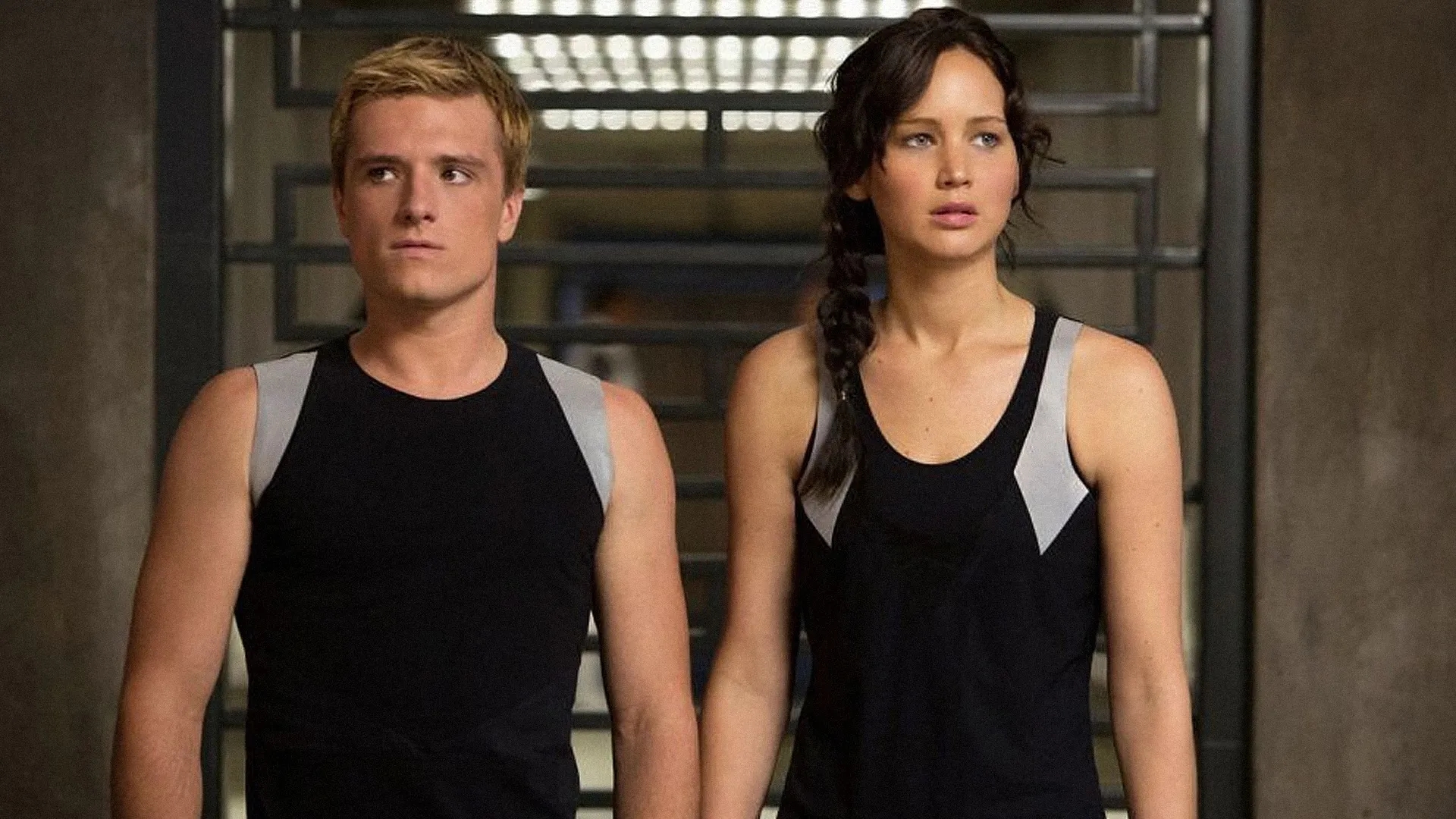
These are medium shot compositions rather than strict framings. A two-shot places two subjects in the same medium frame, often used in dialogue scenes. An over-the-shoulder shot frames one character from behind while keeping the other character's face visible in the medium range. Both are staples of conversation scenes in film and TV.
Medium Shot vs. Close-Up vs. Wide Shot
Understanding the medium shot becomes much clearer when you compare it directly to the two shot types it sits between.
Shot Type | Typical Framing | Common Lens | Primary Use |
|---|---|---|---|
Wide Shot | Full body and environment | 8-24mm | Establish scene, show scale |
Medium Shot | Waist or knees up | 50mm | Dialogue, body language, context |
Close-Up | Face, head, or specific detail | 85-120mm | Emotion, intensity, emphasis |
Wide shots prioritize context and scale. They show where a character is and how they relate to their environment. They can make a character feel small, isolated, or powerful depending on how they are composed.
Medium shots prioritize balance. They are the neutral ground where character and environment share the frame equally. They are the most "readable" shot type for sustained viewing.
Close-ups prioritize intimacy and intensity. They cut out almost everything except the subject's face or a specific detail. They are powerful precisely because they are selective, but they cannot be sustained indefinitely without losing impact.
In practice, a well-edited scene will move between all three. A wide shot establishes the location. Medium shots carry the dialogue and action. Close-ups punctuate the emotional peaks.
Real-World Examples from Film
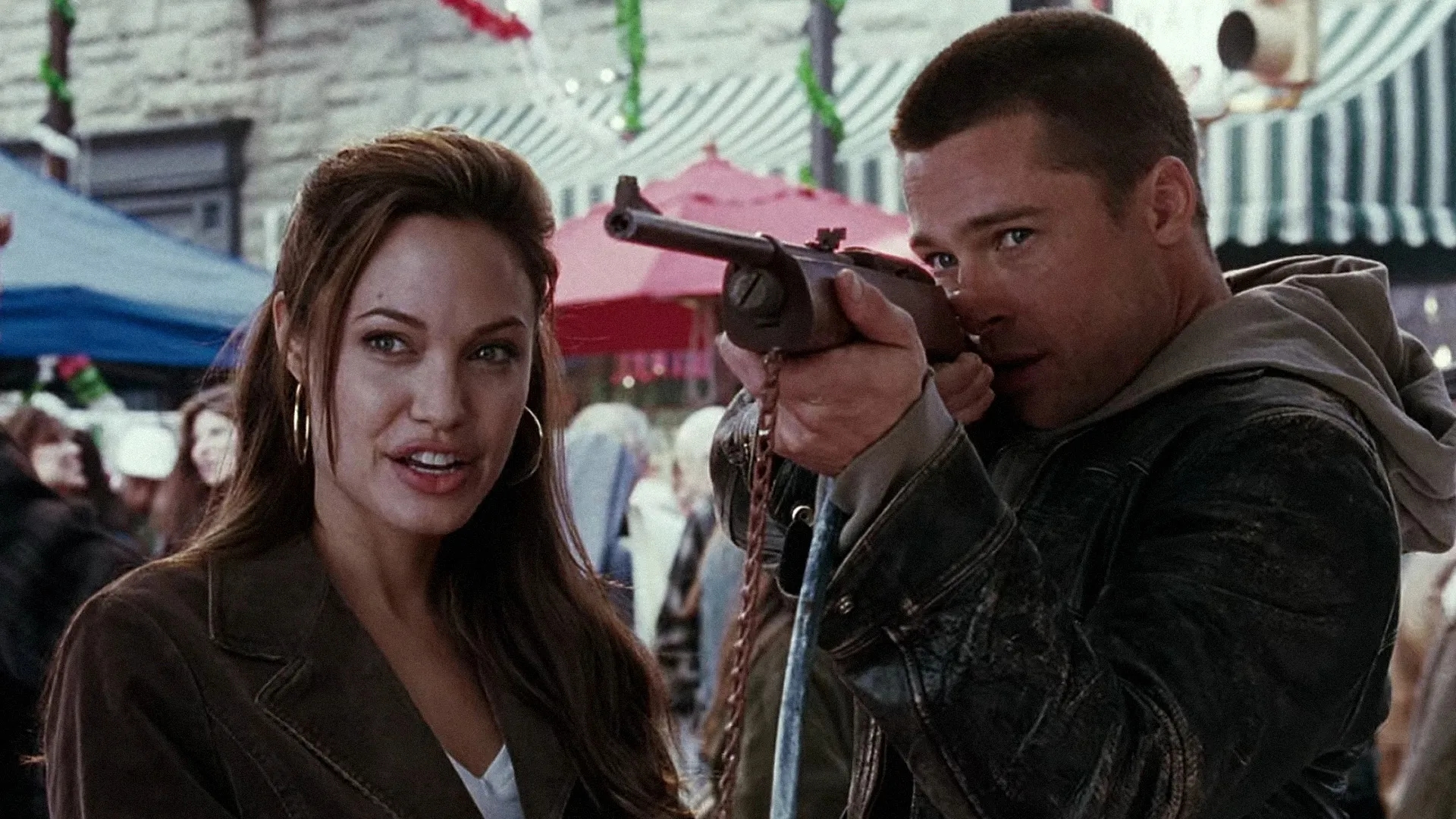
"Mr. and Mrs. Smith" (2005)
Director Doug Liman used medium shots extensively to frame Brad Pitt and Angelina Jolie side by side throughout the film. By keeping both actors in the same medium frame, the shots allowed their body language and shared gaze to build tension without the camera having to cut away to individual close-ups. The medium shot did the storytelling work.
Classic Western Films
The cowboy shot, a variation of the medium long shot, became iconic in Western cinema. Directors like Sergio Leone used it to frame a gunslinger's face and holster simultaneously, giving the audience all the information they needed in a single frame: who this person is and what they are about to do.
News and Interview Formats
Almost every news broadcast and interview program in the world defaults to the medium close-up. It places the presenter or subject in a frame that feels authoritative and direct, showing enough of the person to feel human while keeping the focus on their face and delivery.
Dialogue-Heavy Scenes in Drama
In virtually every drama series, from prestige TV to indie films, medium shots and over-the-shoulder medium shots carry the bulk of dialogue scenes. They allow actors to react to each other naturally, with the camera capturing both performance and physical space.
How to Use Medium Shots Effectively
Knowing what a medium shot is and knowing how to use it well are two different things. Here are the practical principles that separate average medium shot usage from intentional, effective framing.
Use medium shots as your default for dialogue. When two or more characters are talking, the medium shot is almost always the right starting point. It gives the editor options and keeps the viewer oriented.
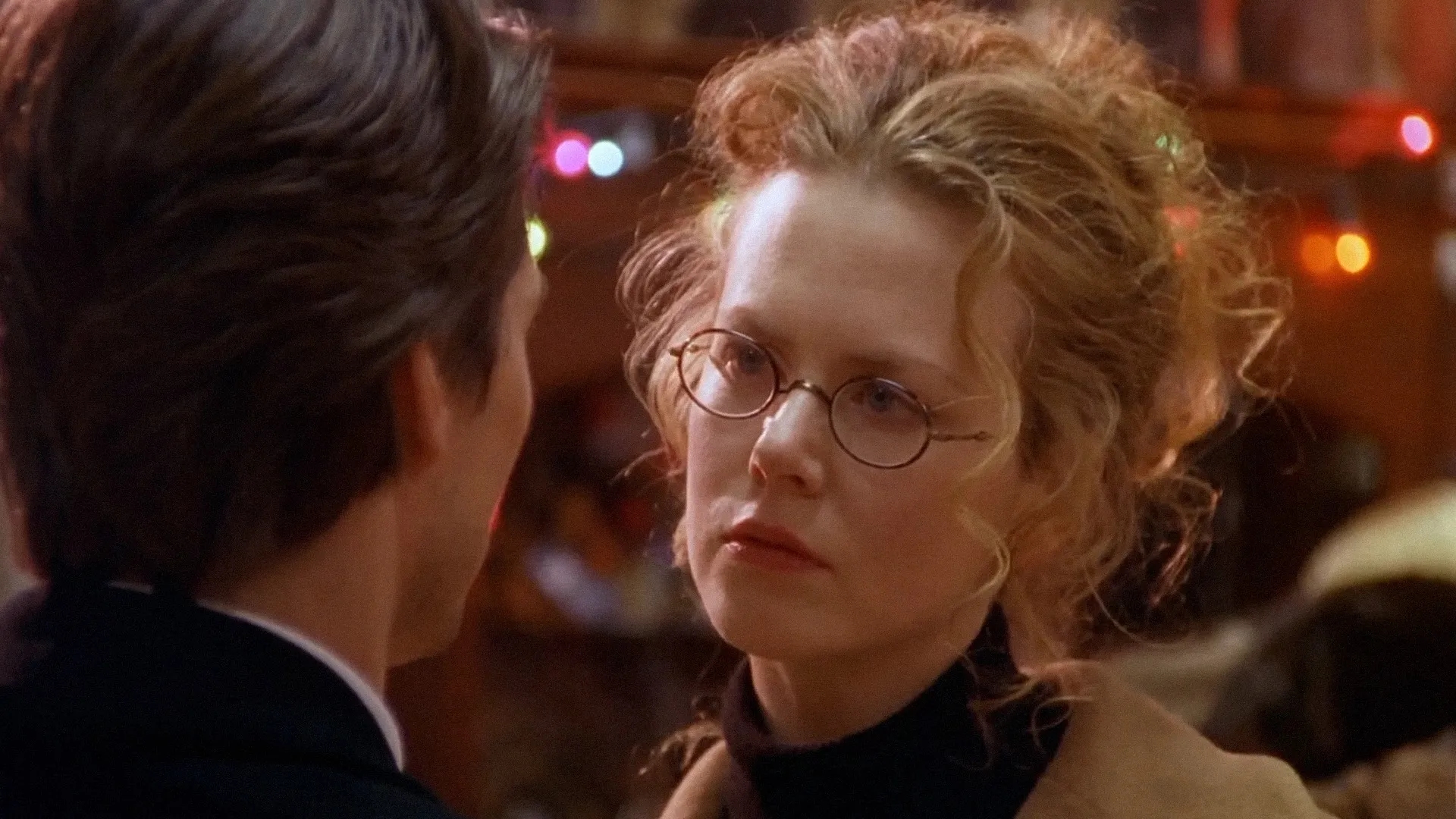
Vary between medium shot types to add rhythm. Cutting between a standard medium shot and a medium close-up during a conversation creates subtle visual rhythm without being distracting. It lets you push in on emotional moments without going all the way to a full close-up.
Pay attention to headroom and framing. A medium shot that cuts off the top of the head or leaves too much empty space above it will feel off. The subject's eyes should generally sit in the upper third of the frame.
Use the cowboy shot when props or costume matter. If a character is holding something important, wearing something significant, or interacting with an object that the audience needs to see, the cowboy shot lets you keep the face readable while including that detail.
Think about what the medium shot is transitioning to. Because medium shots work as buffer shots, always consider what comes before and after. A medium shot that follows a wide shot and leads into a close-up creates a natural, smooth visual progression.
In editing, use medium shots to reset the viewer. After a series of tight close-ups or fast cuts, cutting to a medium shot gives the audience a moment to breathe and reorient themselves in the scene.
Final Thoughts
A medium shot is a camera framing that captures a subject from the waist up, sitting between a wide shot and a close-up. It is the most common shot type in film and television because it balances facial expression, body language, and environmental context in a single frame.
Understanding medium shots, along with their variations like the medium close-up, medium long shot, and cowboy shot, gives you a much stronger foundation for both shooting and editing video. Whether you are cutting a short film, a YouTube video, or a music video, knowing when and why to use a medium shot will make your work feel more intentional and more professional.
If you are working in Adobe Premiere Pro or After Effects and want to bring your edited footage to life with transitions, text animations, and visual effects that match the pacing and tone of your shots, tools like Spotlight FX can help you do that without starting from scratch every time.
Frequently Asked Questions
What is a medium shot in film?
A medium shot in film is a camera framing that captures a subject from approximately the waist up to the head. It balances the subject's facial expressions and body language with some surrounding environment, making it one of the most versatile and commonly used shot types in filmmaking.
What is the difference between a medium shot and a close-up?
A medium shot frames the subject from the waist up, showing both the face and upper body with some background visible. A close-up frames just the face or a specific detail, cutting out most of the background. Close-ups are more intense and emotionally focused, while medium shots are more balanced and neutral.
What is a medium shot in photography?
In photography, a medium shot follows the same principle as in film: the subject is framed from roughly the waist up. It is commonly used in portrait photography, editorial work, and event photography because it shows the subject's face and upper body while including some environmental context.
What is a cowboy shot?
A cowboy shot is a variation of the medium long shot that frames the subject from roughly the mid-thigh up. It originated in Western films where directors needed to show both an actor's face and their holstered gun in the same frame. It is still used today when a specific prop or costume element needs to be visible alongside the character's face.
When should you use a medium shot?
Medium shots are best used during dialogue scenes, interviews, group interactions, and any situation where you need to show both a character's emotion and their physical context. They also work well as transitional shots between wide establishing shots and tight close-ups.
What lens is best for a medium shot?
A 50mm lens (in 35mm equivalent) is the most common choice for medium shots because it closely matches human eye perception, producing natural-looking depth and minimal distortion. Some cinematographers go slightly longer, around 70-85mm, for a medium close-up to compress the background slightly and keep focus on the subject.
Related Posts
 Video Editing