What is a Dutch Angle? The Canted Camera Shot Explained

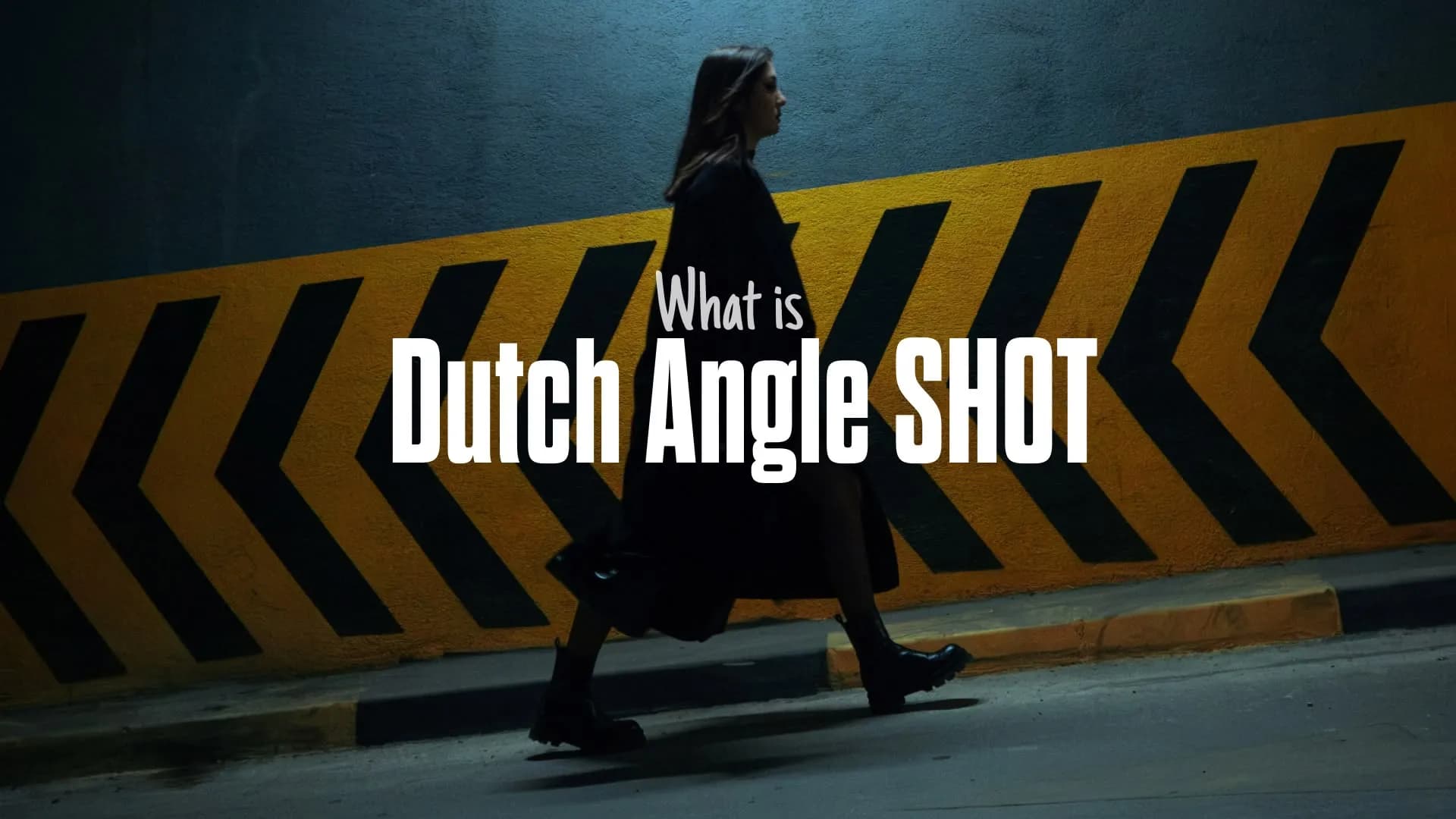
Table of Contents
- Why the Dutch Angle Matters in Filmmaking
- Where the Name Actually Comes From
- How the Dutch Angle Works Technically
- When and How to Use a Dutch Angle
- Famous Examples in Film and TV
- Dutch Angle in Photography
- Common Mistakes to Avoid
- Final Thoughts
- Frequently Asked Questions
- Spotlight FX - Get free transitions, effects and workflow tools
A Dutch angle (also known as a Dutch tilt, canted angle, or oblique angle) is a cinematographic technique where the camera is deliberately tilted on its roll axis, making the horizon line appear diagonal rather than level with the bottom of the frame.
The result is an off-kilter, visually unstable image that signals something is wrong, unsettling, or psychologically charged, without a single word of dialogue.
Why the Dutch Angle Matters in Filmmaking
Cinema is a visual language. Every choice a director or cinematographer makes, from lighting to framing to camera movement, communicates something to the audience. The Dutch angle is one of the most direct tools in that language.
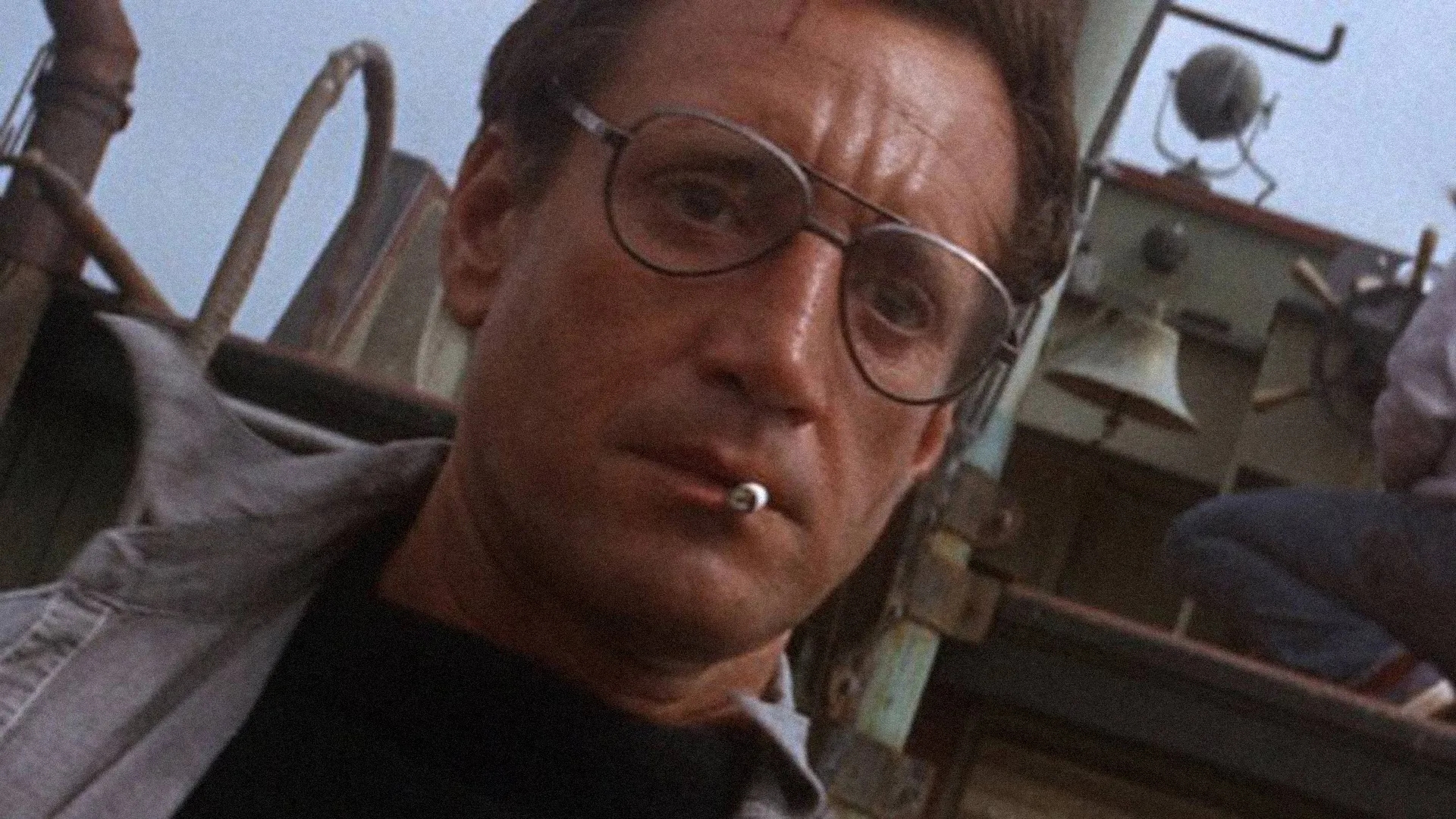
A level horizon feels natural and safe. The moment you tilt it, the viewer's brain registers that something is off. That instinctive reaction is exactly what filmmakers are after. You are not telling the audience to feel uneasy. You are making them feel it.
This is why the Dutch angle has remained a staple across horror, thrillers, psychological dramas, and action films for over a century. It does not require a big budget or complex equipment. It just requires intention. A single tilt of the camera can:
- Signal that a character is mentally unstable or under threat
- Heighten tension in a scene without adding music or dialogue
- Visually represent a distorted or surreal reality
- Add dynamic energy to an action sequence
The key word here is intention. Used purposefully, the Dutch angle is one of the most effective visual storytelling tools available. Used carelessly, it becomes noise.
Where the Name Actually Comes From
Despite the name, the Dutch angle has nothing to do with the Netherlands. The term is widely believed to derive from "Deutsch," the German word for "German," pointing directly to its origins in German Expressionist cinema of the 1920s.
Filmmakers of that era, working on films like The Cabinet of Dr. Caligari (1920) and Nosferatu (1922), used distorted visuals, including tilted camera angles and warped sets, to externalize the inner psychological states of their characters. The world on screen looked broken because the minds of the characters were broken.
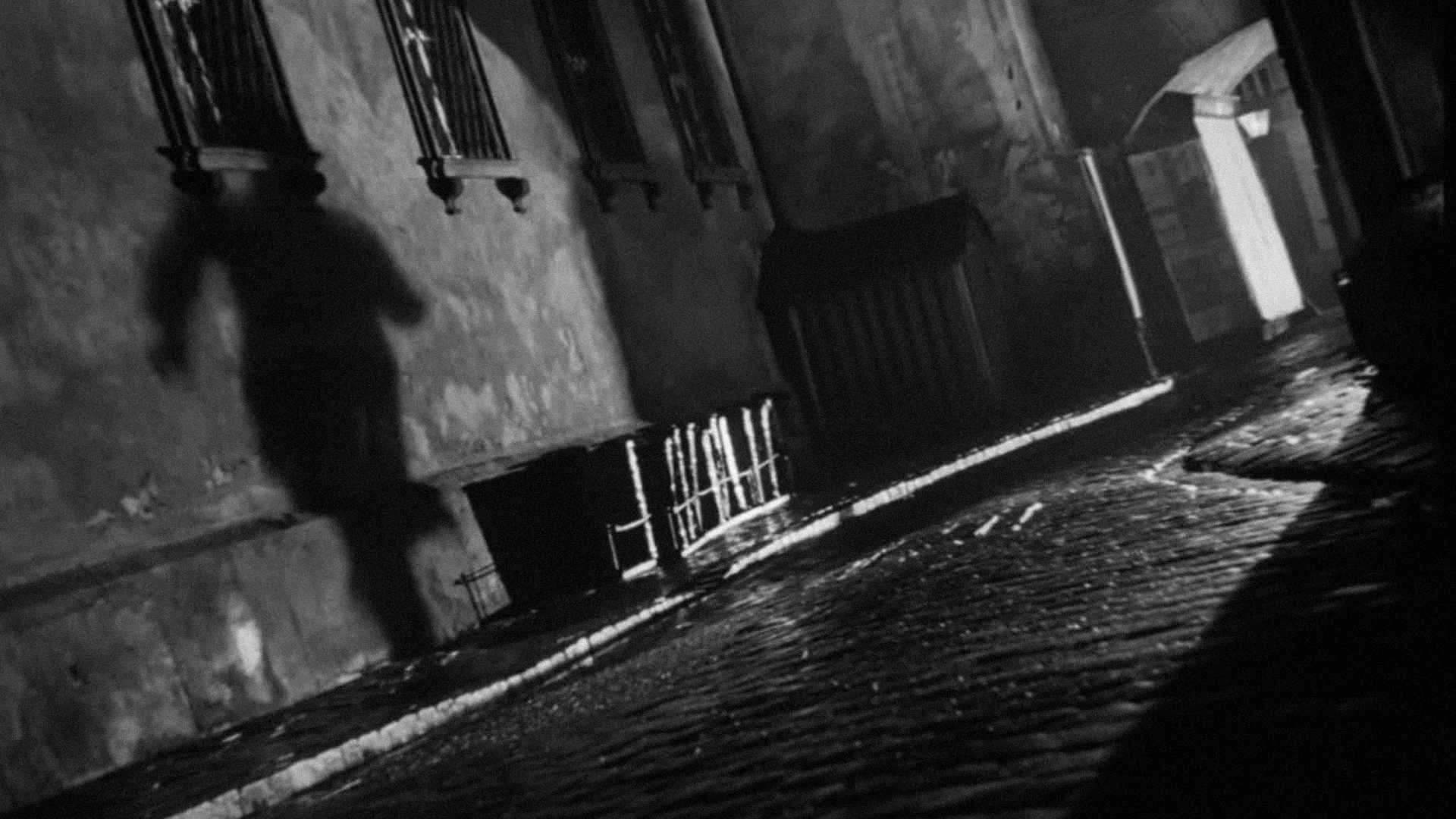
As German Expressionism influenced filmmakers across Europe and eventually Hollywood, the technique traveled with it. The name stuck, even if the geography got lost in translation.
You may also hear it referred to as:
- Dutch tilt (same technique, different name)
- Canted angle (more technical, used in academic and professional contexts)
- Oblique angle
- Dutch shot
All of these refer to the same thing: a camera rolled sideways on its axis to create a diagonal horizon.
How the Dutch Angle Works Technically
To understand the Dutch angle, it helps to know the three axes of camera movement:
- Pan (Y-axis): rotating left or right
- Tilt (X-axis): rotating up or down
- Roll (Z-axis): rotating around the lens axis, like turning a steering wheel
A Dutch angle is a roll. The camera physically rotates around its longitudinal axis, which causes all horizontal and vertical lines in the frame to appear angled. A door frame that should be perfectly vertical now leans. A horizon that should be flat now slopes.
The degree of tilt directly controls the emotional intensity:
- Subtle tilt (5 to 15 degrees): Mild unease, something feels slightly off
- Moderate tilt (15 to 30 degrees): Clear tension, psychological instability
- Extreme tilt (30 degrees or more): Chaos, panic, full disorientation
You can achieve a Dutch angle with almost any camera setup. On a tripod, you simply loosen the head and rotate. Handheld, you tilt your wrist. On a gimbal or slider, you adjust the roll axis. The technique itself is simple. The craft is in knowing when and how much.
When and How to Use a Dutch Angle
The Dutch angle is a tool, not a style. Here is when it earns its place in a scene:
To Show a Character's Mental State
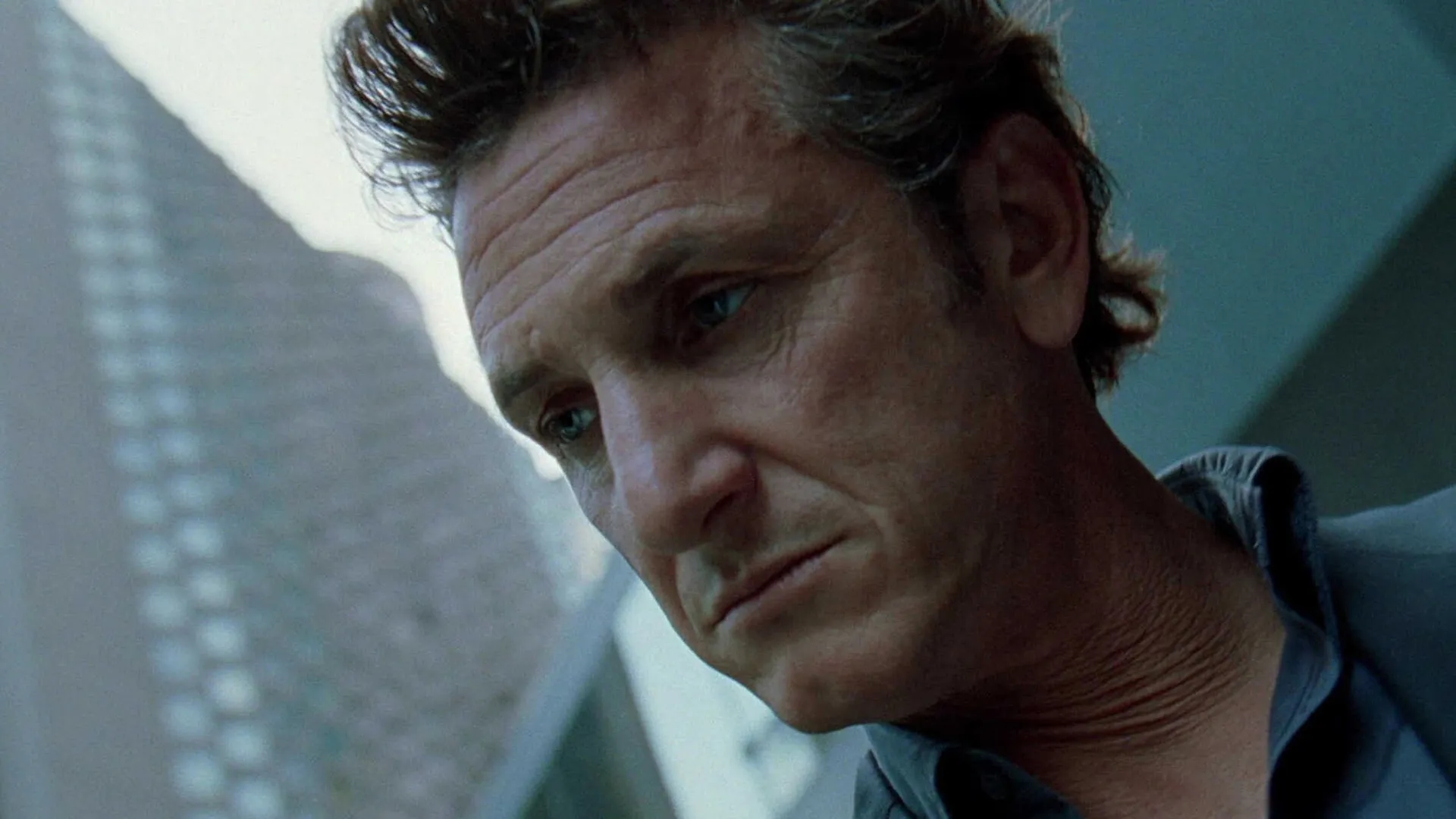
If a character is experiencing fear, paranoia, grief, or psychological breakdown, a Dutch angle can put the audience inside that headspace. Rather than showing the emotion through performance alone, the camera itself becomes unstable.
To Signal Danger or a Threat
A villain entering a scene, a trap being set, a moment just before everything goes wrong. A Dutch angle primes the viewer to feel that something bad is coming, even if they cannot articulate why.
To Represent a Distorted or Surreal Reality
Dream sequences, hallucinations, altered states, and morally ambiguous situations are all natural homes for the Dutch angle. When the world on screen should not feel normal, the camera should not look normal either.
To Add Energy to Action
In fast-paced action sequences, a Dutch angle can amplify chaos and kinetic energy. It makes the frame feel like it is barely containing what is happening inside it.
Practical Tips for Using It
- Combine it with other techniques. Moody lighting, shallow depth of field, and slow or fast movement all work well alongside a Dutch angle.
- Cut back to a level shot for contrast. The tilt is most powerful when the audience has a stable reference point to compare it to.
- Match the degree of tilt to the emotional intensity. Do not go extreme when subtle is enough.
- Use it sparingly. The more you use it, the less it means.
Famous Examples in Film and TV
The Dutch angle has appeared in some of the most iconic films ever made. Here are the most notable examples:
The Cabinet of Dr. Caligari (1920)
The film that arguably started it all. German Expressionist filmmakers used tilted sets and canted angles throughout to depict a distorted, mad reality. It is the blueprint for everything that followed.
Citizen Kane (1941)
Orson Welles used the Dutch angle to highlight psychological complexity and the moral ambiguity surrounding Charles Foster Kane. It is one of many reasons the film is still studied in film schools today.
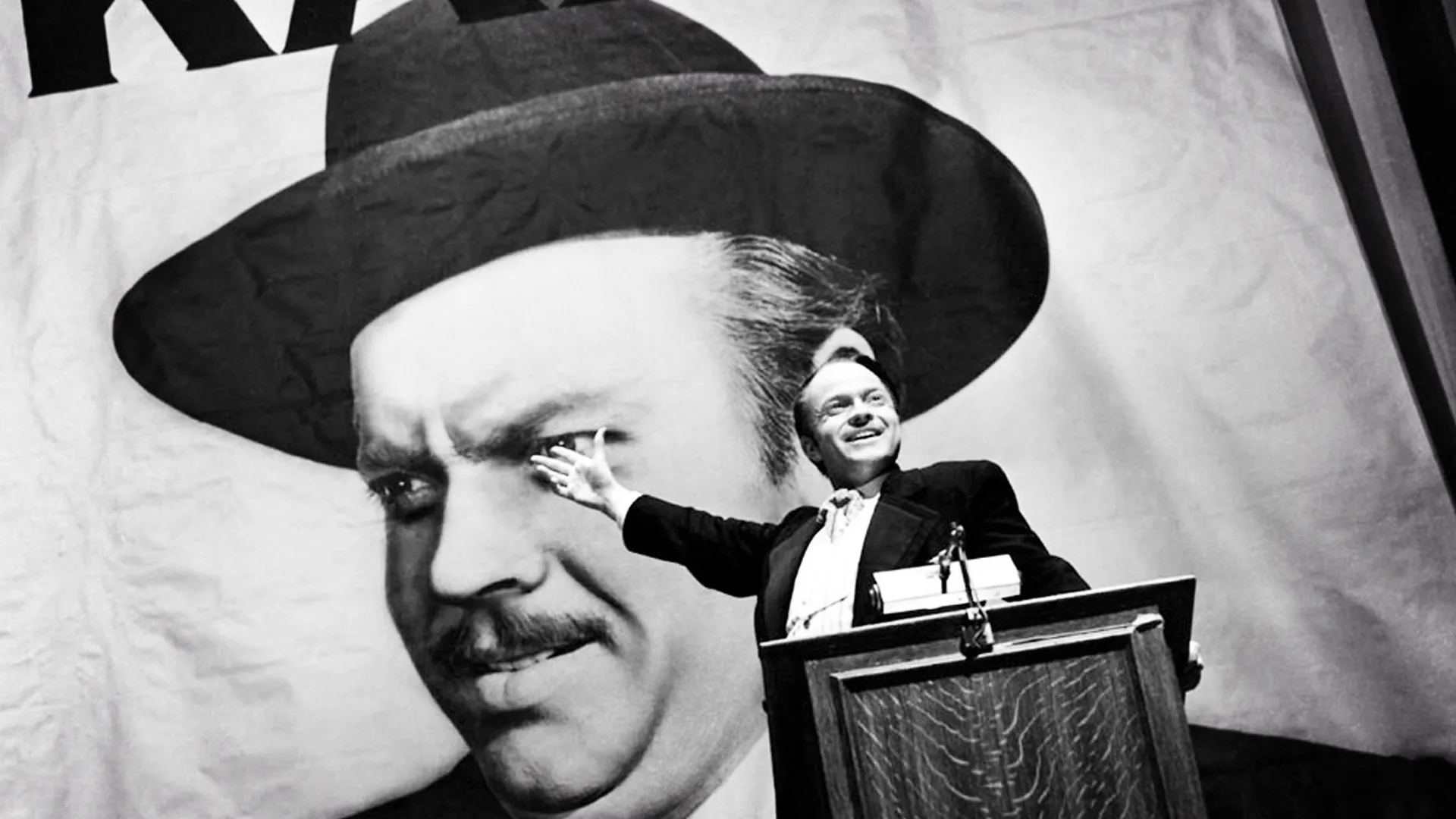
The Third Man (1949)
Perhaps the most famous sustained use of the Dutch angle in cinema history. Director Carol Reed tilted the camera throughout the film to reflect post-war Vienna's moral decay and the protagonist's growing disorientation. The technique became synonymous with the film's identity.
Vertigo (1958)
Alfred Hitchcock used Dutch angles to literally visualize the protagonist's vertigo and psychological unraveling. The camera does not just show the fear. It recreates it.
The Shining (1980)
Stanley Kubrick applied the technique with precision to build dread and foreshadow the horror to come. Every tilt feels deliberate and earned.
Mission: Impossible (1996)
Brian De Palma used a Dutch angle during Ethan Hunt's realization scene to create claustrophobic tension. It is a masterclass in using the technique at exactly the right moment.
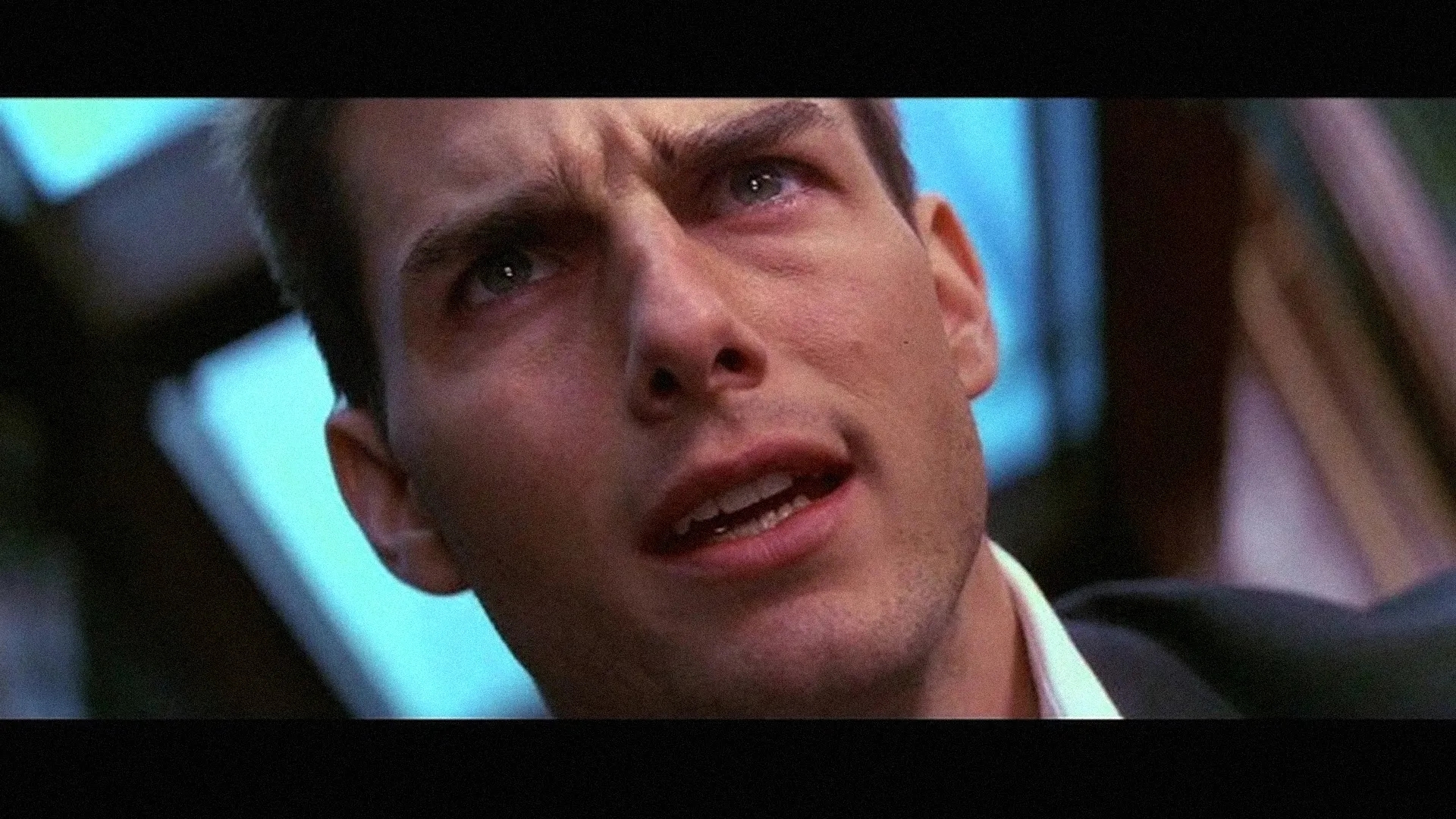
Fear and Loathing in Las Vegas (1998)
The film's hallucinatory, off-kilter tone is reinforced throughout with Dutch angles. It is one of the most fitting uses of the technique because the entire film is about a distorted perception of reality.
Inception (2010)
Christopher Nolan used Dutch angles in dream sequences, including the zero-gravity corridor, to signal that the rules of reality no longer apply. The tilt is not just stylistic. It is narrative.
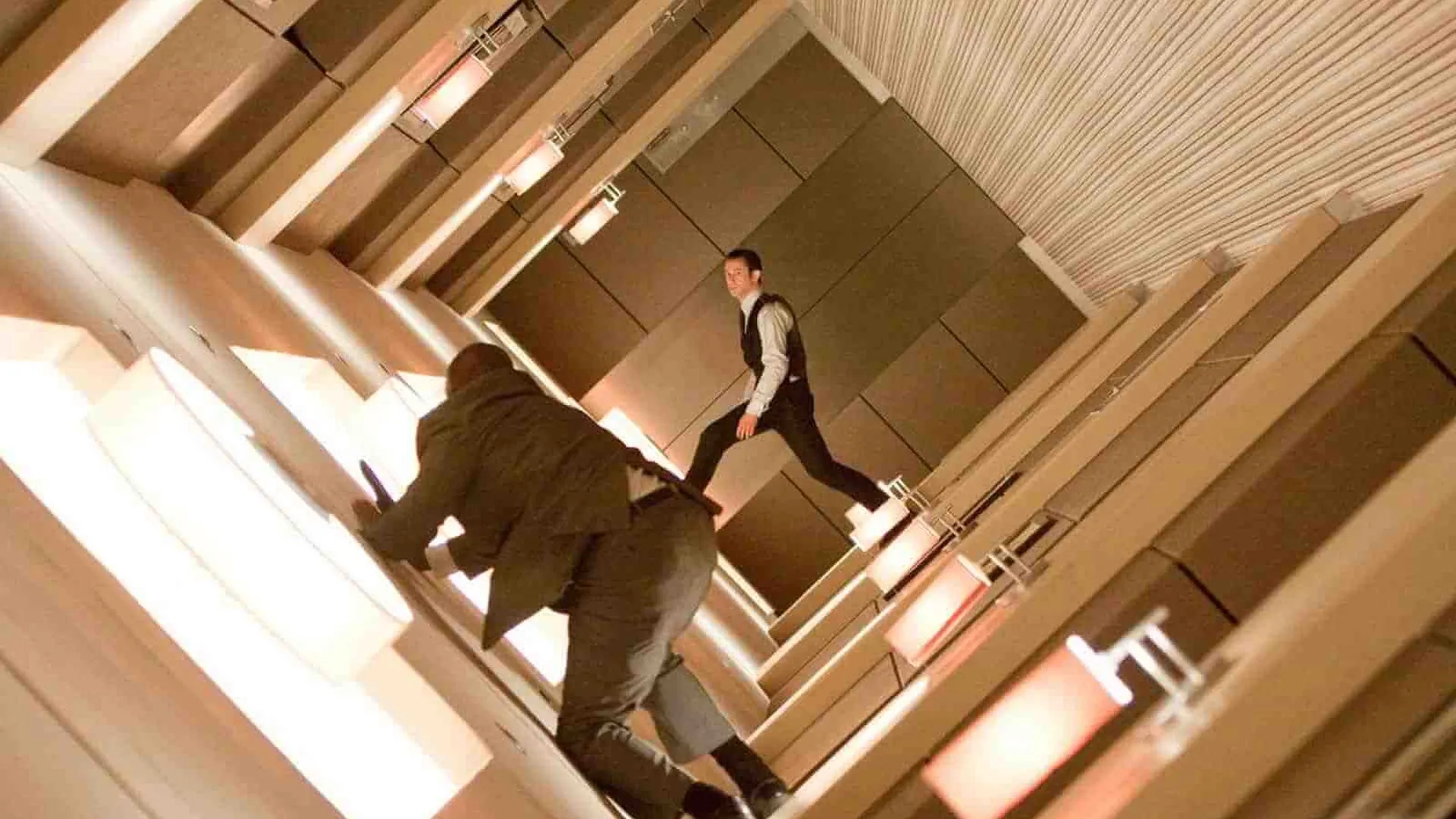
Inglourious Basterds (2009) and Django Unchained (2012)
Quentin Tarantino uses the Dutch angle to signal impending danger and to frame antagonists as unstable or deranged. He combines it with low angles for maximum psychological effect.
Mad Max: Fury Road (2015)
George Miller uses tilted shots throughout the film's action sequences to amplify the chaos and relentless energy of the chase. The camera feels as out of control as the world it is capturing.
Dutch Angle in Photography
The Dutch angle is not exclusive to film and video. Photographers use it too, though the intent can vary more widely.
In portrait photography, a canted angle can add dynamism to an otherwise static composition. It draws the eye along diagonal lines and can make a subject feel more energetic or intense.
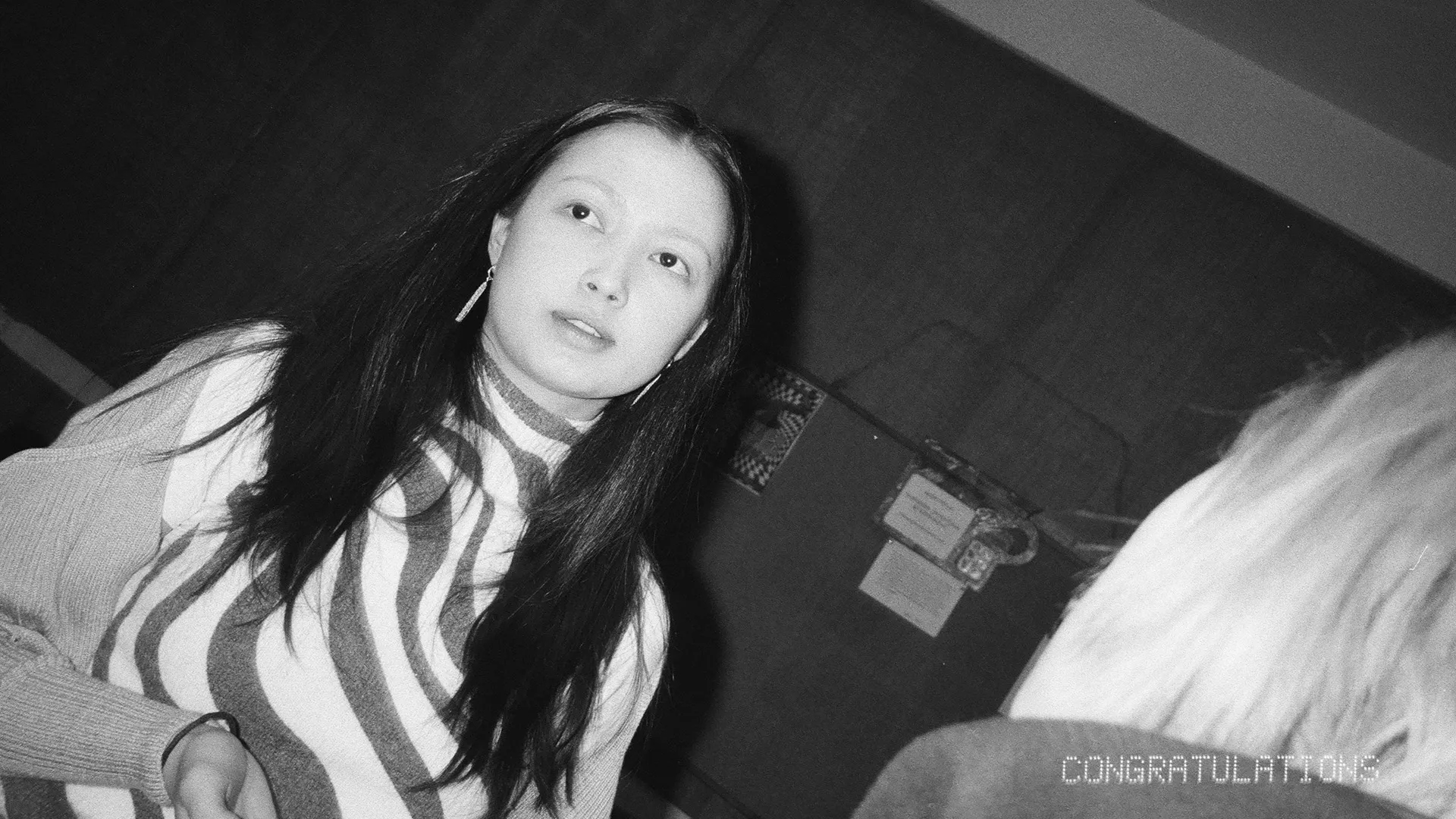
In street photography, a Dutch tilt can reflect the unpredictability and energy of urban life. It breaks the formality of a straight horizon and adds a sense of movement.
In action and sports photography, tilting the camera can amplify the sense of speed and motion, making a still image feel like it is about to burst out of the frame.
That said, photography has a long tradition of straight horizons, and some photographers and editors will instinctively correct a tilted shot. The key is the same as in film: make it obvious that the tilt is intentional. A slight, ambiguous tilt reads as a mistake. A confident, deliberate one reads as a choice.
Common Mistakes to Avoid
Overusing It
The most famous cautionary tale is Battlefield Earth (2000), which used Dutch angles in nearly every single shot. The result was not tension. It was parody. When everything is tilted, nothing feels off. The technique loses all meaning.
Using It Without Purpose
A Dutch angle should always answer the question: why does this moment need to feel unstable? If you cannot answer that, the tilt does not belong there.
Going Too Subtle or Too Extreme for the Moment
A barely-there tilt in a horror scene will go unnoticed. An extreme tilt in a quiet dramatic moment will feel absurd. Match the degree of tilt to the emotional weight of the scene.
Forgetting to Return to Level
The Dutch angle is most powerful in contrast to stable, level framing. If you never give the audience a visual baseline, the tilt stops registering as a deliberate choice.
Final Thoughts
The Dutch angle is one of cinema's oldest and most enduring techniques. Born in the distorted worlds of German Expressionist filmmakers in the 1920s, it has traveled through film noir, psychological thrillers, horror, and modern blockbusters, always carrying the same core message: something here is not right.
It works because it bypasses language. You do not need to tell the audience to feel uneasy. You just tilt the camera, and they feel it.
Whether you are editing a short film, a YouTube video, or shooting photography, understanding the Dutch angle gives you a powerful tool for visual storytelling. Use it with intention, use it sparingly, and it will do exactly what it has always done: make the audience feel something without saying a word.
Frequently Asked Questions
What is a Dutch angle?
A Dutch angle is a camera technique where the camera is tilted on its roll axis, making the horizon line appear diagonal in the frame. It is used to create a sense of unease, tension, disorientation, or psychological instability in the viewer.
Why is it called a Dutch angle if it comes from Germany?
The name is believed to derive from "Deutsch," the German word for "German," referencing the German Expressionist filmmakers of the 1920s who pioneered the technique. It has nothing to do with the Netherlands.
What is the difference between a Dutch angle and a regular camera tilt?
A regular tilt moves the camera up or down on its X-axis, like nodding your head. A Dutch angle rolls the camera on its Z-axis, like tilting your head sideways. The result is a diagonal horizon rather than a higher or lower viewpoint.
What is a canted angle?
A canted angle is another name for a Dutch angle. Both terms describe the same technique: tilting the camera on its roll axis to create a diagonal, off-kilter frame. "Canted angle" is more commonly used in academic and technical filmmaking contexts.
When should you use a Dutch angle?
Use a Dutch angle when you want to visually communicate that something is wrong, unstable, or psychologically charged. It works well in horror, thrillers, dream sequences, action scenes, and moments of character breakdown. Avoid using it without a clear narrative reason.
Can you use a Dutch angle in photography?
Yes. Photographers use Dutch angles to add dynamism to portraits, energy to action shots, and a sense of instability or movement to street photography. The same rule applies: make the tilt deliberate and purposeful, not accidental.
What happens if you overuse the Dutch angle?
Overuse kills the effect entirely. Battlefield Earth (2000) is the most cited example, using Dutch angles in nearly every shot until they became meaningless. The technique only works when it contrasts with stable, level framing.
Related Posts
 Video Editing
Hyperlapse Explained: What It Is, How It Works, and How to Create One
 Video Editing