What is a Bird's Eye View Shot? (And How It Differs from an Overhead Shot)

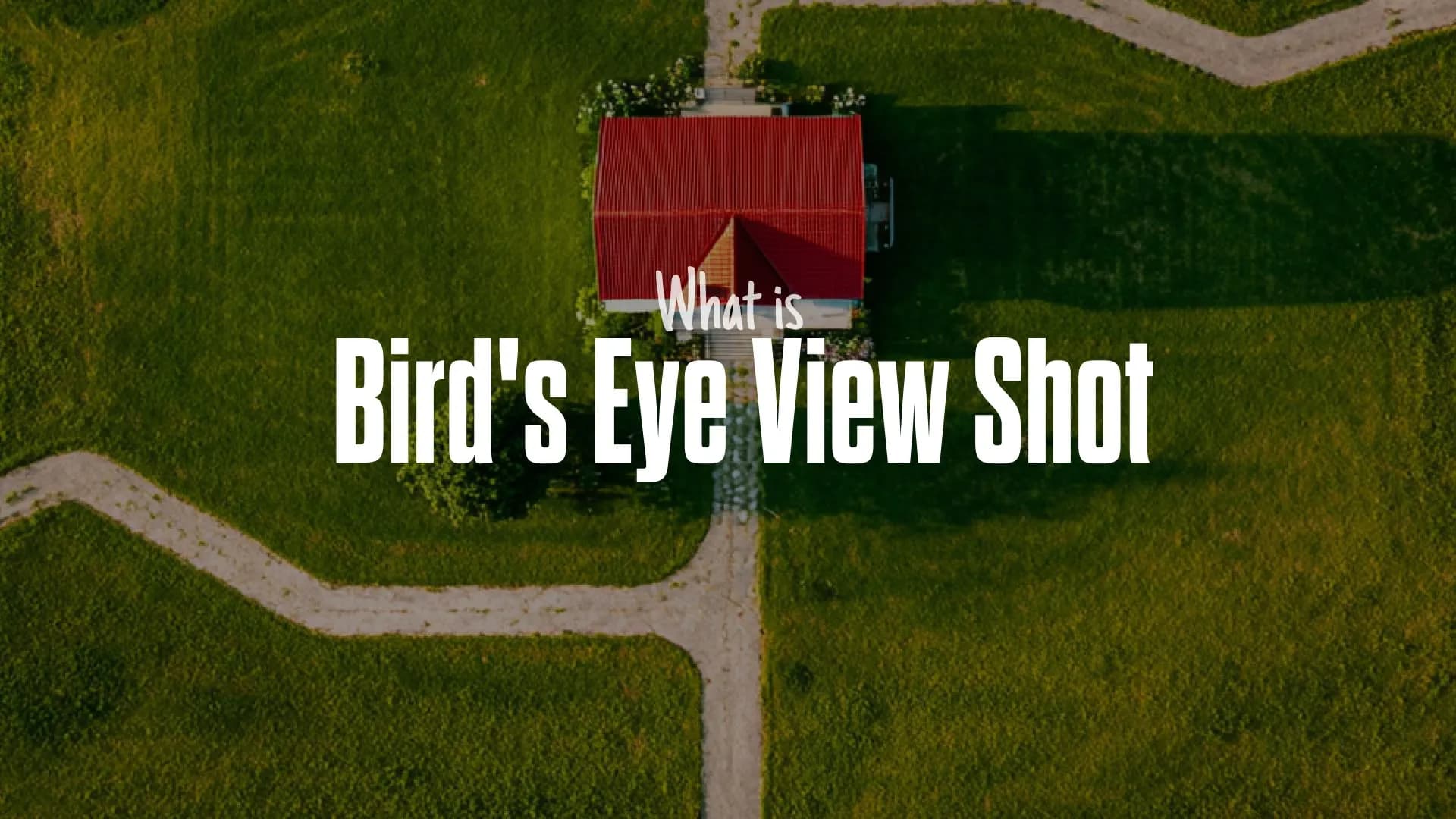
Table of Contents
- Why the Difference Matters
- What is a Bird's Eye View Shot?
- What is an Overhead Shot?
- Bird's Eye View vs Overhead Shot: The Key Differences
- When to Use a Bird's Eye View Shot
- When to Use an Overhead Shot
- How to Capture Each Shot
- Famous Examples in Film and Video
- Final Thoughts
- Spotlight FX - Get free transitions, effects and workflow tools
A bird's eye view shot is a camera angle filmed from directly above the subject, at a high elevation, simulating the perspective of a bird in flight looking straight down. It is an extreme high-angle shot that makes subjects appear small, isolated, or insignificant within their environment.
An overhead shot is also a top-down, 90-degree angle, but it is typically captured much closer to the subject, often indoors, keeping the subject clearly visible and detailed.
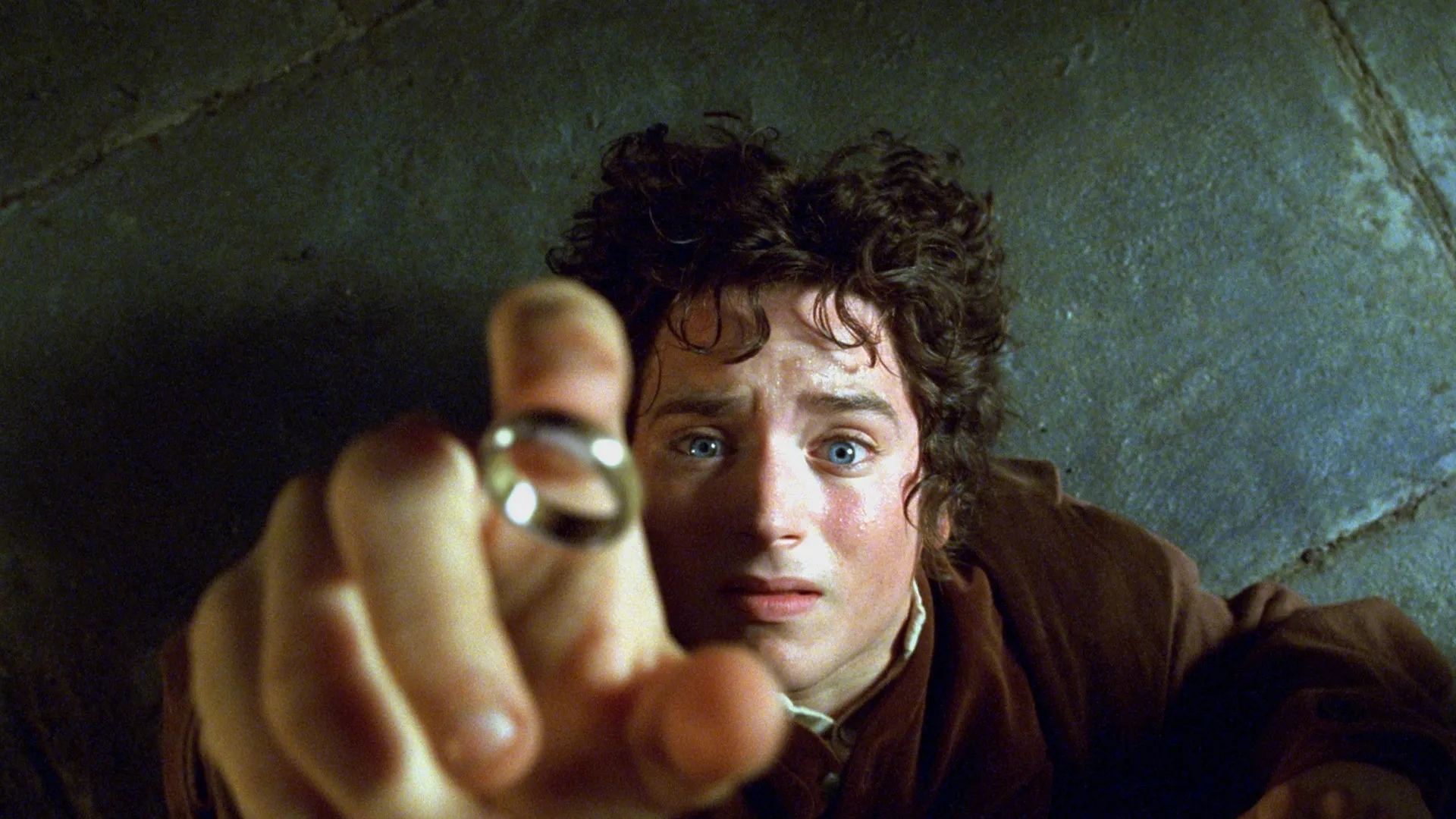
In short: both shots look down. But one looks down from the sky, and the other looks down from the ceiling.
Why the Difference Matters
Most people use "bird's eye view" and "overhead shot" as if they mean the same thing. And honestly, many filmmaking resources do use them interchangeably. But when you understand the actual distinction, you start making more intentional choices with your camera.
The angle might look identical on paper (both are 90 degrees, both point straight down), but the distance, scale, and emotional impact are completely different. A bird's eye view from a drone 200 feet in the air makes a person look like an ant. An overhead shot from a crane 8 feet above a table makes a meal look like a painting.
Same direction. Totally different story.
If you are editing footage and trying to decide which label to use, or more importantly, which shot to actually plan for your next project, knowing this difference will save you time and help you communicate clearly with your team.
What is a Bird's Eye View Shot?
A bird's eye view shot is captured from a high elevation, typically using a drone, helicopter, or crane, pointing the camera straight down at a 90-degree angle. The result is a wide, expansive top-down view where subjects appear small relative to their surroundings.
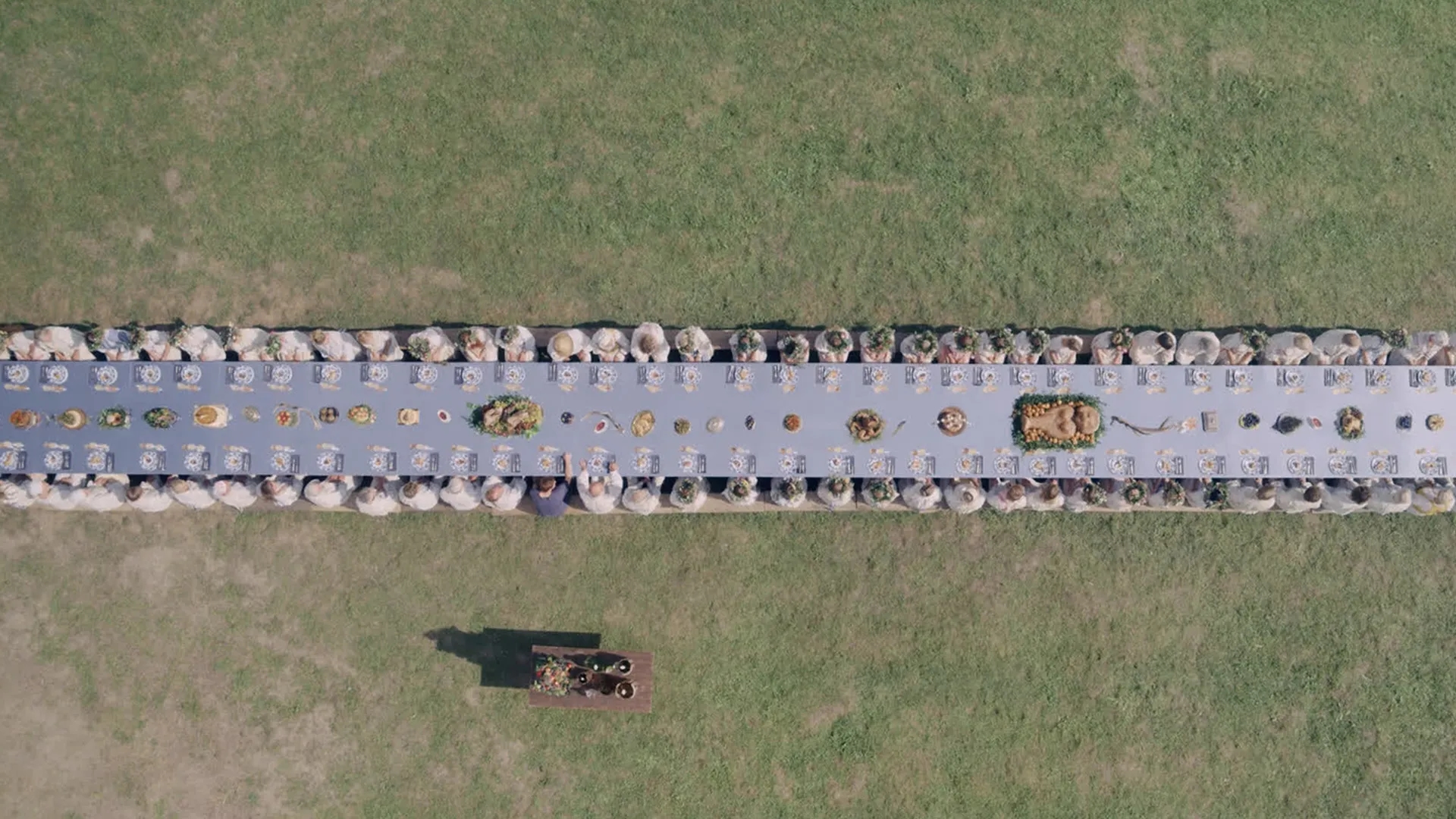
The name comes from the literal perspective of a bird in flight. You are not just above the subject. You are far above it.
Key characteristics:
- Extreme height: Usually captured outdoors from significant elevation
- Wide field of view: Shows the subject in relation to a large environment
- Subjects appear small: People, cars, and buildings shrink into the frame
- Equipment: Drones, helicopters, cranes, or aerial rigs
- Mood: Isolation, vulnerability, scale, or a god-like omniscience
What it communicates emotionally:
Because the subject looks tiny and the world looks vast, the bird's eye view naturally creates a sense of powerlessness or insignificance. It can feel ominous, like something is watching from above. It can also feel liberating, like you are finally seeing the full picture of a situation.
Alfred Hitchcock used this exact feeling in "The Birds" (1963), where an aerial shot over Bodega Bay showed gulls descending on the town, making the threat feel massive and inescapable.
What is an Overhead Shot?
An overhead shot is also a straight-down, 90-degree camera angle, but it is positioned much closer to the subject. Think of a camera mounted above a kitchen counter, a table, a bed, or a character lying on the floor. The subject fills more of the frame, and the detail is much clearer.
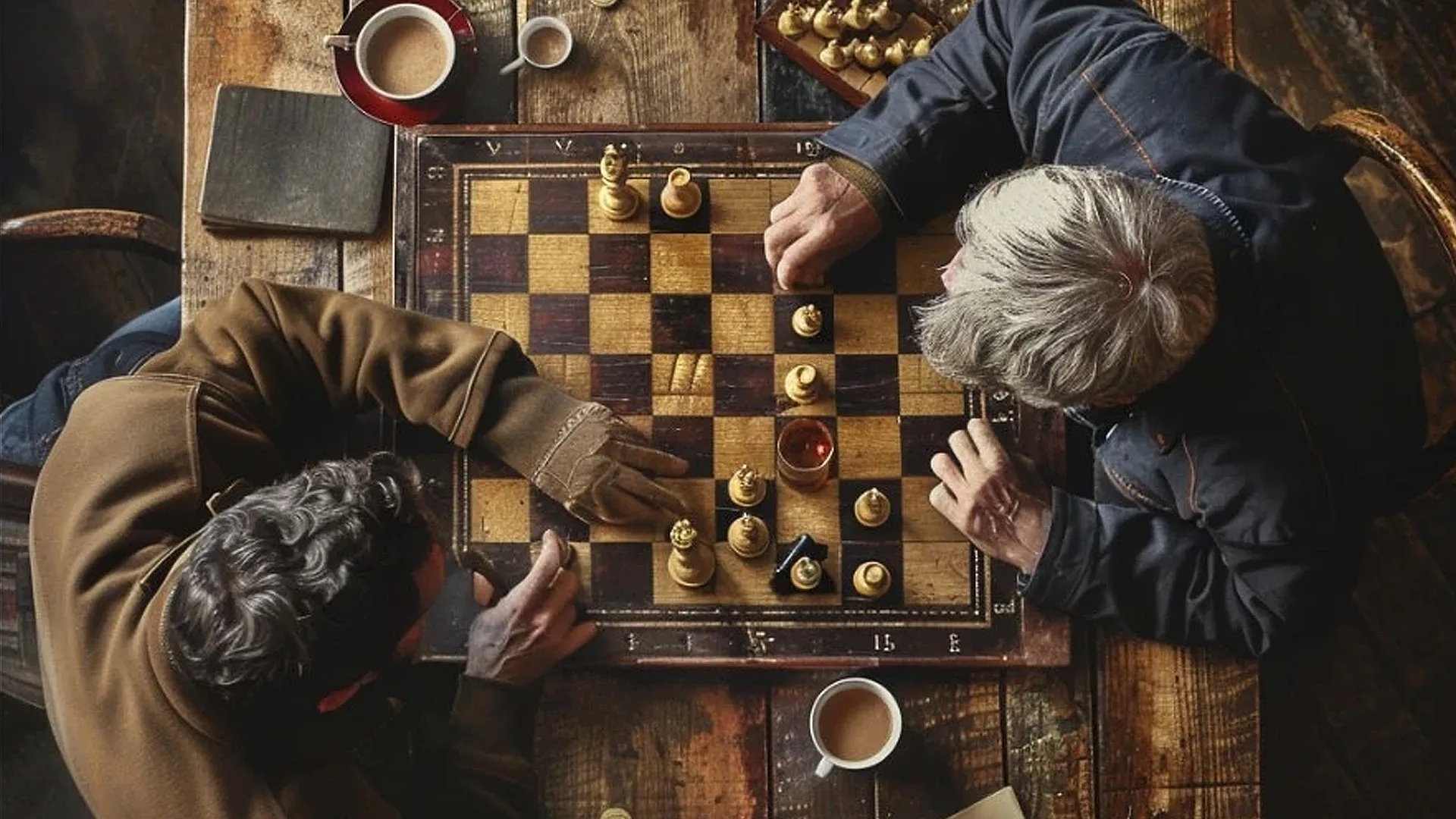
This shot is also called a "top-down shot" or sometimes a "God's eye shot," though that term is used loosely across both angles.
Key characteristics:
- Close to moderate distance: Often just a few feet above the subject
- Tight or medium framing: Subject is clearly visible and detailed
- Equipment: Boom arms, ceiling mounts, ladders, cranes, or drones at low altitude
- Common setting: Indoors or controlled environments
- Mood: Analytical, intimate, abstract, or instructional
What it communicates emotionally:
Because the overhead shot keeps the subject large in the frame, it feels more intimate and focused. It flattens the scene visually, which can make objects look geometric and almost graphic. Wes Anderson is famous for using overhead shots this way, turning everyday scenes into perfectly composed, almost symmetrical images that feel both detached and oddly warm.
Jonathan Demme used overhead shots in "The Silence of the Lambs" to represent Buffalo Bill's point of view looking down at his prisoner, creating a deeply unsettling power dynamic without a single word of dialogue.
Bird's Eye View vs Overhead Shot: The Key Differences
Here is a side-by-side breakdown of how these two shots compare:
Bird's Eye View | Overhead Shot | |
|---|---|---|
Height | Extreme (high elevation) | Close to moderate |
Scale | Wide, subjects appear small | Tight, subjects are clearly visible |
Common setting | Outdoors, aerial | Indoors or controlled environments |
Equipment | Drones, helicopters, cranes | Boom arms, ladders, ceiling rigs |
Emotional effect | Isolation, vulnerability, scale | Intimacy, abstraction, omniscience |
Typical use | Establishing shots, action sequences | Insert shots, character moments, spatial reveals |
The core difference comes down to distance and scale. A bird's eye view is about showing how small something is in a big world. An overhead shot is about showing something clearly from a perspective humans do not naturally experience.
When to Use a Bird's Eye View Shot
Use a bird's eye view when you want to:
- Establish a location: Show where a scene is taking place and how large the environment is
- Create a sense of isolation: Make a character feel alone, lost, or overwhelmed
- Capture movement across space: Chases, crowds, or large-scale action sequences read much better from above
- Build tension or dread: The elevated, watching perspective can feel threatening or ominous
- Show scale: When the size of something (a city, a crowd, a landscape) is part of the story
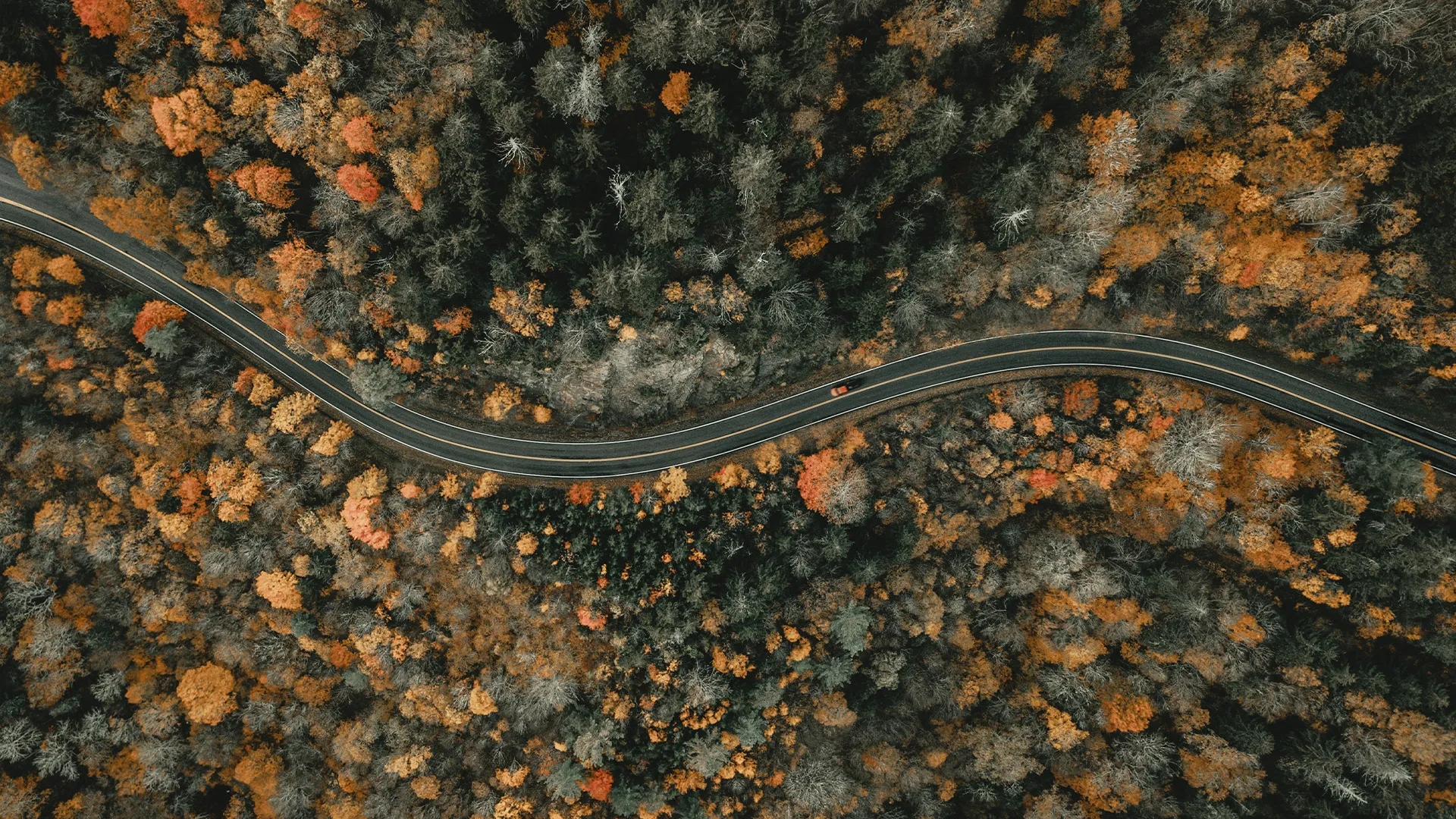
A good rule of thumb: if the environment is as important as the subject, reach for the bird's eye view.
When to Use an Overhead Shot
Use an overhead shot when you want to:
- Reveal spatial relationships: Show how characters or objects are arranged in relation to each other
- Create visual abstraction: Flatten a scene to make it feel graphic or stylized
- Shift power dynamics: Looking down on a character can signal vulnerability or control
- Highlight a detail: An overhead insert shot of hands, food, a map, or an object draws attention without cutting away entirely
- Add a unique perspective: Sometimes a scene just hits differently from above
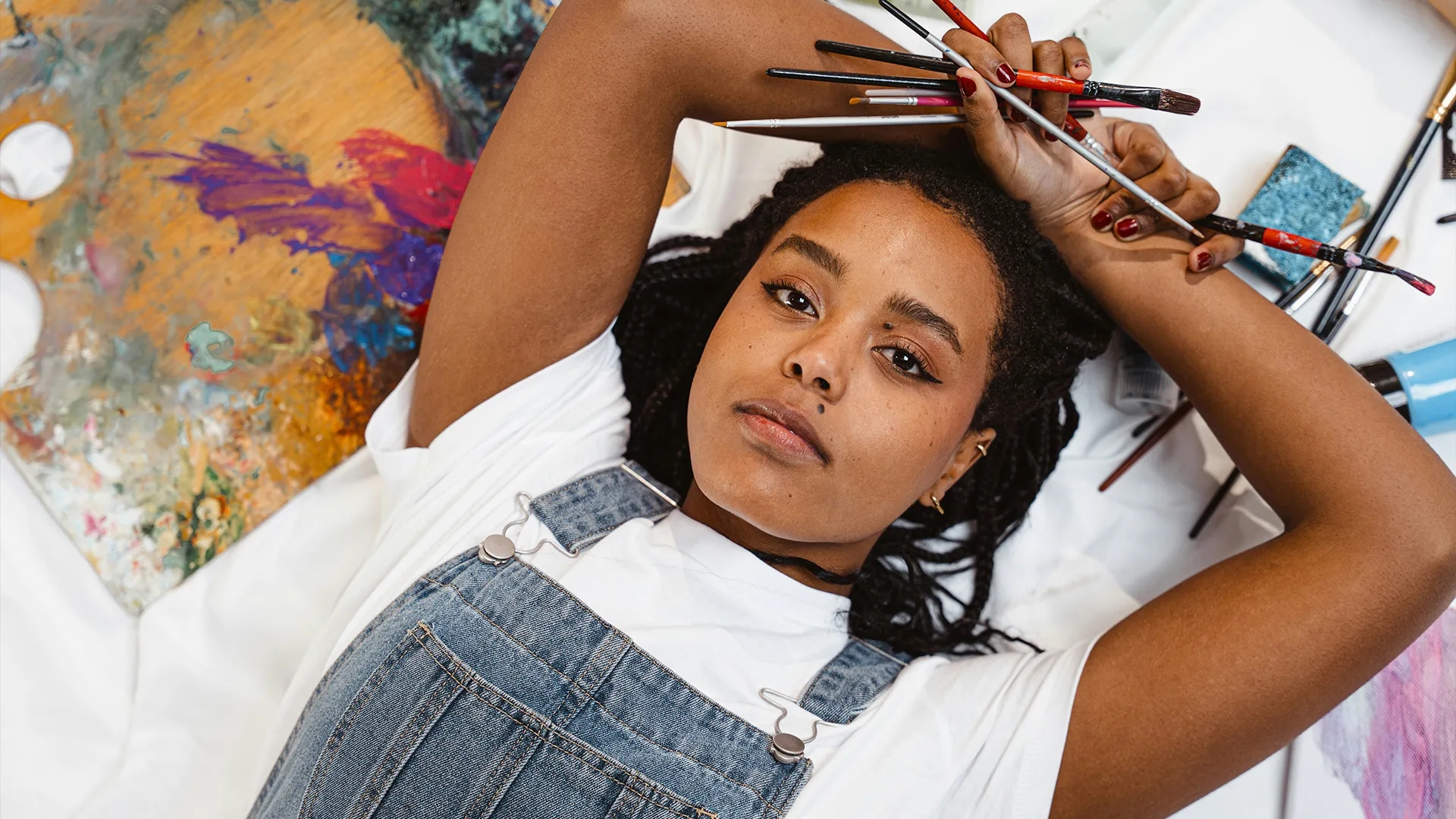
A good rule of thumb: if the subject is more important than the environment, use an overhead shot.
How to Capture Each Shot
Bird's Eye View
- Drone: The most accessible option for outdoor bird's eye shots today. Modern drones can reach significant heights and lock into a straight-down angle with precision.
- Helicopter or aircraft: Used for large-scale productions where extreme altitude or movement is needed.
- Crane: Works well for moderate elevation in controlled outdoor environments.
One important note: lighting matters a lot. When shooting from above outdoors, the sun angle can create harsh shadows or blow out the scene. Plan your shoot time accordingly.
Overhead Shot
- Boom arm or crane rig: Gives you flexibility to reposition the camera above the subject.
- Ceiling mount: A fixed option for studio or controlled environments.
- Ladder or handheld rig: Works for simpler setups where the camera does not need to move.
- Low-altitude drone: Increasingly popular for overhead shots indoors or in tight spaces.
The biggest challenge with overhead shots is lighting. Any rig above the subject can cast shadows directly onto it. Plan your lighting from the sides or use diffused sources to avoid this.
Famous Examples in Film and Video
Bird's Eye View:
- "The Birds" (1963): Hitchcock's aerial shot of gulls descending on Bodega Bay is one of the most iconic bird's eye views in cinema history.
- "Minority Report" (2002): Spielberg used multiple overhead and bird's eye shots to capture vertical action during a jetpack chase sequence.
- "Zodiac" (2007): Wide aerial shots were used to establish the scale of the investigation across cities.
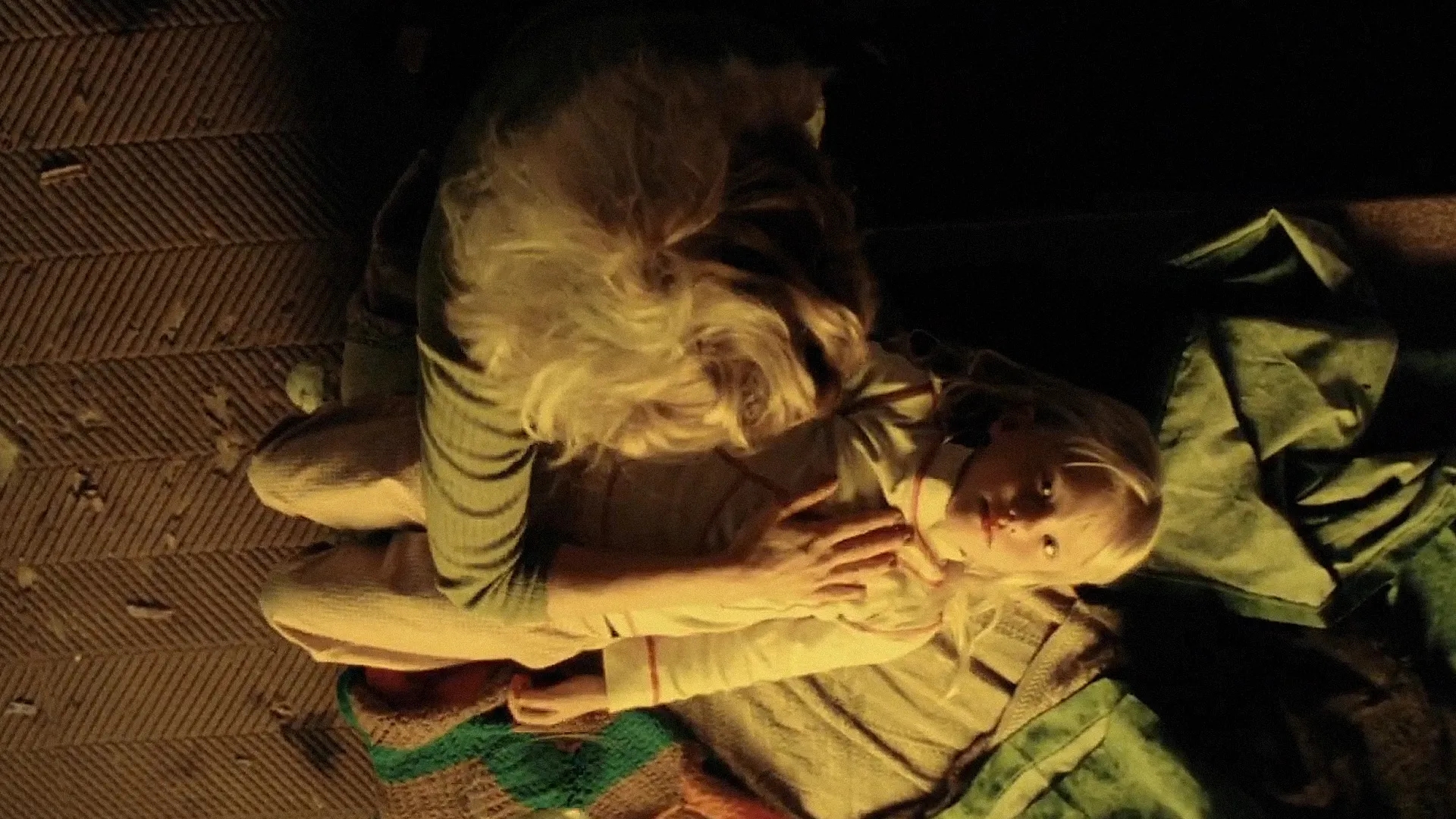
Overhead Shot:
- "The Silence of the Lambs": Demme used overhead shots to represent Buffalo Bill's point of view, creating a chilling power imbalance.
- Wes Anderson's entire filmography: Anderson is arguably the most famous user of the overhead shot, using it to create his signature symmetrical, almost storybook compositions in films like "The Grand Budapest Hotel" and "Rushmore."
- "Eternal Sunshine of the Spotless Mind" (2004): Overhead shots were used to create a dreamlike, disorienting quality during memory sequences.
Final Thoughts
Both the bird's eye view and the overhead shot point the camera straight down, but they tell very different stories. The bird's eye view is about scale, distance, and the relationship between a subject and the world around it. The overhead shot is about intimacy, abstraction, and seeing something from a perspective that feels analytical or even divine.
When you are planning your next shoot or editing a sequence, ask yourself: do I want the viewer to feel the size of the world, or do I want them to see the subject more clearly? That question will almost always point you to the right shot.
If you want to go deeper on camera angles and how they affect storytelling, explore how high-angle shots, low-angle shots, and Dutch angles each carry their own emotional weight. Every angle is a choice, and every choice shapes how your audience feels.
Related Posts
 Video Editing
What are J-Cuts and L-Cuts? Professional Dialogue Editing Explained
 Video Editing