10 Best Filmmaking Books Every Video Creator Should Read

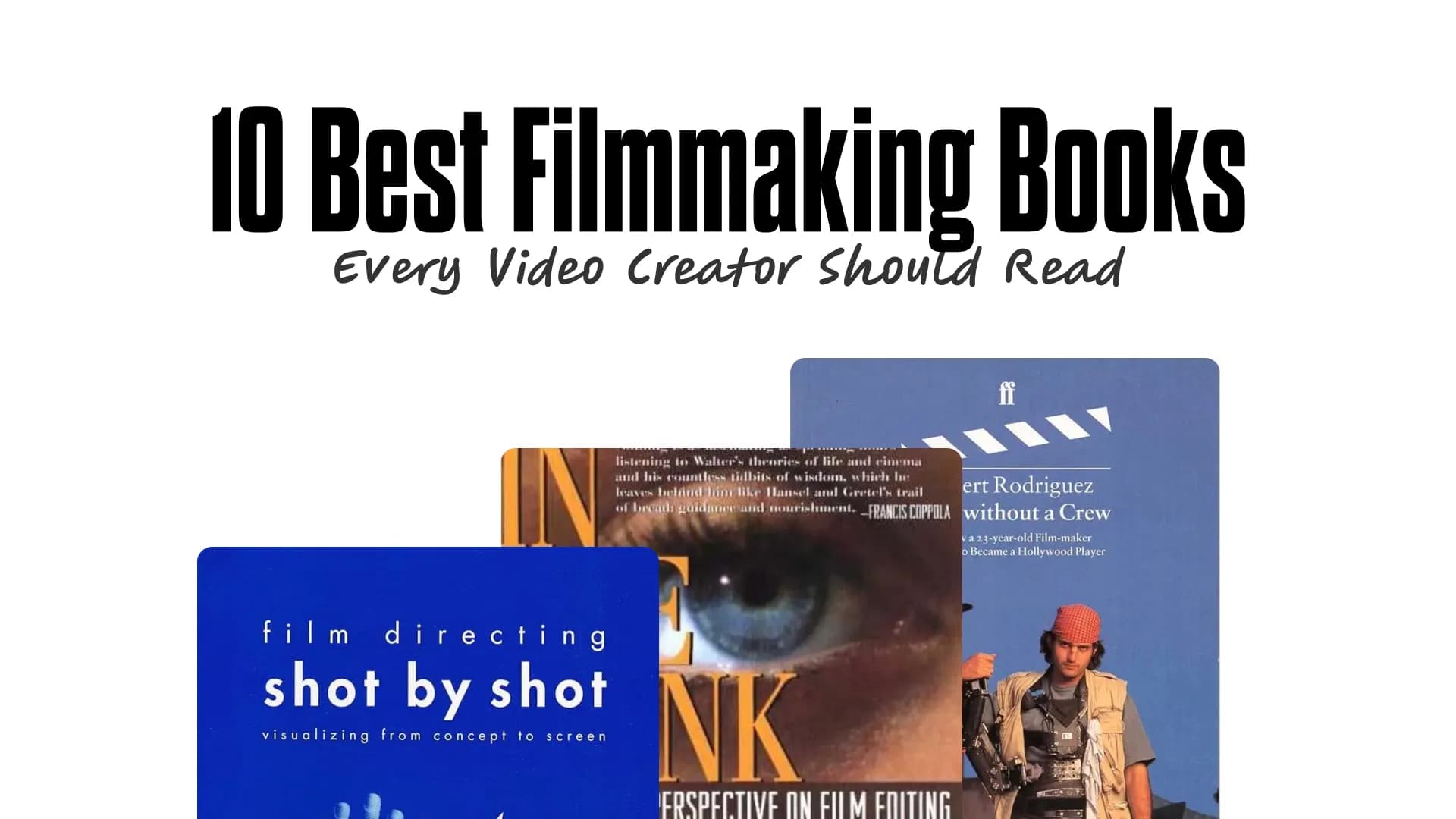
Table of Contents
- 1. In the Blink of an Eye by Walter Murch: The Editor's Bible
- 2. Film Directing Shot by Shot by Steven D. Katz: Master Visual Storytelling Before You Touch a Camera
- 3. Rebel Without a Crew by Robert Rodriguez: A Masterclass in Low-Budget Filmmaking
- 4. Save the Cat by Blake Snyder: The Storytelling Framework That Actually Works
- 5. The Filmmaker's Handbook by Steven Ascher and Edward Pincus: The Most Complete Technical Reference
- 6. Sculpting in Time by Andrei Tarkovsky: Change the Way You Think About Cinema
- 7. The Conversations by Michael Ondaatje and Walter Murch: Go Deep on the Art of Editing
- 8. On Film-Making by Alexander Mackendrick: The Director's Craft, Explained by a Master
- 9. Color Correction Handbook by Alexis Van Hurkman: The Definitive Guide to Color Grading
- 10. Suddenly Something Clicked by Walter Murch: Fresh Insights From a Living Legend
- Final Thoughts
- Spotlight FX - Get free transitions, effects and workflow tools
I've gone through a lot of filmmaking books over the years. Some were genuinely life-changing, others were a complete waste of time. The ones on this list? They're the real deal.
Whether you're a YouTube creator trying to tell better stories, a video editor looking to sharpen your instincts, or an aspiring director figuring out your visual language, these books will give you something you can actually use.
1. In the Blink of an Eye by Walter Murch: The Editor's Bible
If you only read one book about film editing in your entire life, make it this one.
Walter Murch is the Oscar-winning editor behind Apocalypse Now and The English Patient, and this book is essentially his philosophy on why cuts work and why they don't. It's short (around 150 pages), but it's packed with ideas that will completely change how you think about editing.
Why it matters: Murch introduces the concept of the "blink" as a natural cut point, arguing that we cut in film the same way our eyes blink in real life. It sounds simple, but once you internalize it, your editing instincts sharpen dramatically.
Best for: Video editors, film editors, YouTube creators who want to understand the "why" behind their cuts.
Pro tip: Read this alongside your next editing project and try applying Murch's six criteria for a good cut to every single edit you make.
2. Film Directing Shot by Shot by Steven D. Katz: Master Visual Storytelling Before You Touch a Camera
This is the go-to reference book for anyone who wants to understand how to visually plan a scene before shooting it.
Katz breaks down storyboarding, shot composition, staging, and camera movement in a way that's incredibly practical. It's filled with diagrams, storyboards, and real-world examples from classic films, making it easy to absorb even if you're a visual learner.
Why it matters: Most creators think about shots on the day of the shoot. This book teaches you to think about them weeks in advance, which means fewer wasted takes and a much stronger final product.
Best for: Directors, cinematographers, YouTube creators who shoot their own content.
Pro tip: After reading, try storyboarding your next video before filming. Even rough stick figures work. The act of planning forces you to make creative decisions early.
3. Rebel Without a Crew by Robert Rodriguez: A Masterclass in Low-Budget Filmmaking
Robert Rodriguez made his first feature film, El Mariachi, for $7,000. This book is his diary from that entire experience, and it's one of the most inspiring things you'll ever read as a creator.
It's raw, honest, and incredibly practical. Rodriguez talks about how he funded the film by volunteering for medical experiments, how he worked around every limitation, and how he turned constraints into creative advantages.
Why it matters: Most creators use budget as an excuse. This book destroys that excuse completely. It proves that resourcefulness beats resources every single time.
Best for: Independent filmmakers, YouTube creators, anyone working with a small budget.
Pro tip: Pay close attention to the "Ten Minute Film School" sections scattered throughout the book. They're short, punchy, and full of immediately actionable advice.
4. Save the Cat by Blake Snyder: The Storytelling Framework That Actually Works
Originally written for screenwriters, Save the Cat has become required reading for anyone who creates video content with a story at its core.
Snyder breaks storytelling down into a repeatable structure called the "Beat Sheet," a 15-point framework that maps out exactly where key story moments should land. It sounds formulaic, but it's actually incredibly freeing because once you understand the structure, you can bend and break it intentionally.
Why it matters: Great visuals mean nothing without a great story. This book gives you a repeatable system for building narratives that keep audiences engaged from start to finish.
Best for: Directors, content creators, documentary filmmakers, YouTube storytellers.
Pro tip: Try mapping your favorite films or YouTube videos against the Beat Sheet. You'll be surprised how often the structure holds up.
5. The Filmmaker's Handbook by Steven Ascher and Edward Pincus: The Most Complete Technical Reference
If you want one book that covers everything from cameras and lenses to post-production and distribution, this is it.
The Filmmaker's Handbook is regularly updated and covers both traditional filmmaking and modern digital workflows. It's dense, but it's the kind of book you keep on your desk and refer back to constantly rather than reading cover to cover.
Why it matters: Knowing your tools deeply makes you a faster, more confident creator. This book fills in the technical gaps that most online tutorials gloss over.
Best for: Cinematographers, editors, anyone who wants a comprehensive technical foundation.
Pro tip: Don't try to read this linearly. Use it as a reference. Start with the chapters most relevant to your current project or skill gap.
6. Sculpting in Time by Andrei Tarkovsky: Change the Way You Think About Cinema
This one is not for everyone, but for the right person, it's transformative.
Tarkovsky, the director behind Stalker and Andrei Rublev, lays out his entire philosophy of cinema in this book. He argues that film is the art of "sculpting in time," shaping time itself as a creative material. It's philosophical, sometimes dense, but genuinely unlike anything else in the filmmaking literature.
Why it matters: Most filmmaking books teach you how to make films. This one teaches you why films matter, and that shift in perspective can completely change your creative output.
Best for: Directors and creators who want to develop a deeper artistic vision and personal filmmaking style.
Pro tip: Read this slowly. Take notes. Come back to it after watching a few Tarkovsky films for full context.
7. The Conversations by Michael Ondaatje and Walter Murch: Go Deep on the Art of Editing
This book is a series of long-form conversations between novelist Michael Ondaatje and Walter Murch, covering everything from the editing of The English Patient to the philosophy of sound design.
It reads more like a conversation between two brilliant minds than a traditional filmmaking book, which makes it surprisingly easy to get through despite the depth of the material.
Why it matters: Murch talks about editing in a way that no one else does. He connects it to music, to memory, to human perception. Reading this will give you a completely new vocabulary for thinking about your edits.
Best for: Film editors, sound designers, anyone who wants to go beyond the technical and into the artistic.
8. On Film-Making by Alexander Mackendrick: The Director's Craft, Explained by a Master
Alexander Mackendrick directed The Sweet Smell of Success and The Ladykillers, and later spent decades teaching filmmaking at CalArts. This book is a compilation of his teaching notes, and it has a foreword by Martin Scorsese, which tells you everything you need to know about its reputation.
It covers screenwriting, directing, visual storytelling, and the relationship between image and narrative in a way that's both rigorous and deeply practical.
Why it matters: Mackendrick had a gift for breaking down complex filmmaking concepts into clear, teachable principles. This book feels like sitting in on a masterclass with one of the greats.
Best for: Directors, film students, anyone who wants to understand the craft at a deeper level.
9. Color Correction Handbook by Alexis Van Hurkman: The Definitive Guide to Color Grading
For editors and cinematographers who want to take their color work seriously, this is the book.
Van Hurkman covers color science, grading workflows, and the practical application of color correction across different software platforms. It's technical, but written in a way that's accessible even if you're not a colorist by trade.
Why it matters: Color grading is one of the most powerful tools in post-production, and most creators barely scratch the surface of what's possible. This book gives you the foundation to use color intentionally and effectively.
Best for: Editors, colorists, cinematographers, anyone working in post-production.
Pro tip: Pair this book with hands-on practice in your editing software of choice. Theory only sticks when you apply it immediately.
10. Suddenly Something Clicked by Walter Murch: Fresh Insights From a Living Legend
The newest entry on this list, Suddenly Something Clicked is Walter Murch's latest book, offering fresh reflections on a career that spans some of the most celebrated films in cinema history.
If you've already read In the Blink of an Eye and The Conversations, this is the natural next step. It goes deeper into Murch's creative process and offers insights that feel especially relevant for modern editors working in digital environments.
Why it matters: Murch is one of the few people who can speak with authority on both the art and the craft of editing. Any new material from him is worth your time.
Best for: Experienced editors who want to keep growing and thinking about their craft at a higher level.
Final Thoughts
The best filmmaking books don't just teach you techniques. They change how you see stories, images, and time itself. Start with In the Blink of an Eye if you're an editor, Film Directing Shot by Shot if you're a director, and Rebel Without a Crew if you need a kick of motivation to just go make something.
Reading is only half the equation, though. The other half is applying what you learn. If you're working in Adobe Premiere Pro or After Effects and want to put your new skills into practice faster, Spotlight FX gives you instant access to professional transitions, effects, and workflow tools so you can focus on the creative decisions that actually matter.
Related Posts
 Video Editing
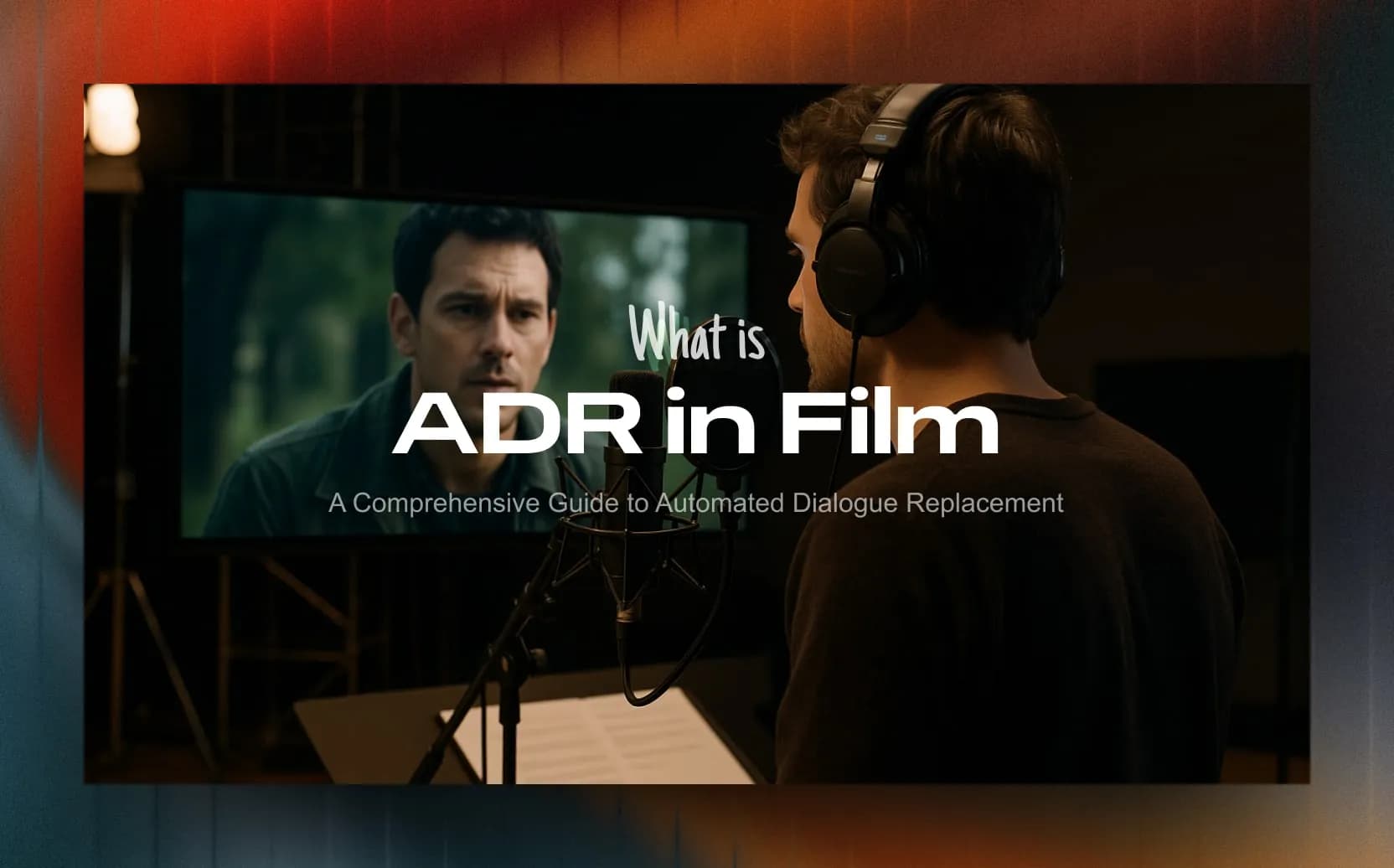
What is ADR in Film? A Comprehensive Guide to Automated Dialogue Replacement
 Video Editing